

Consider these eight free, trusted resources your go-to guide for voting in the 2026 midterms.
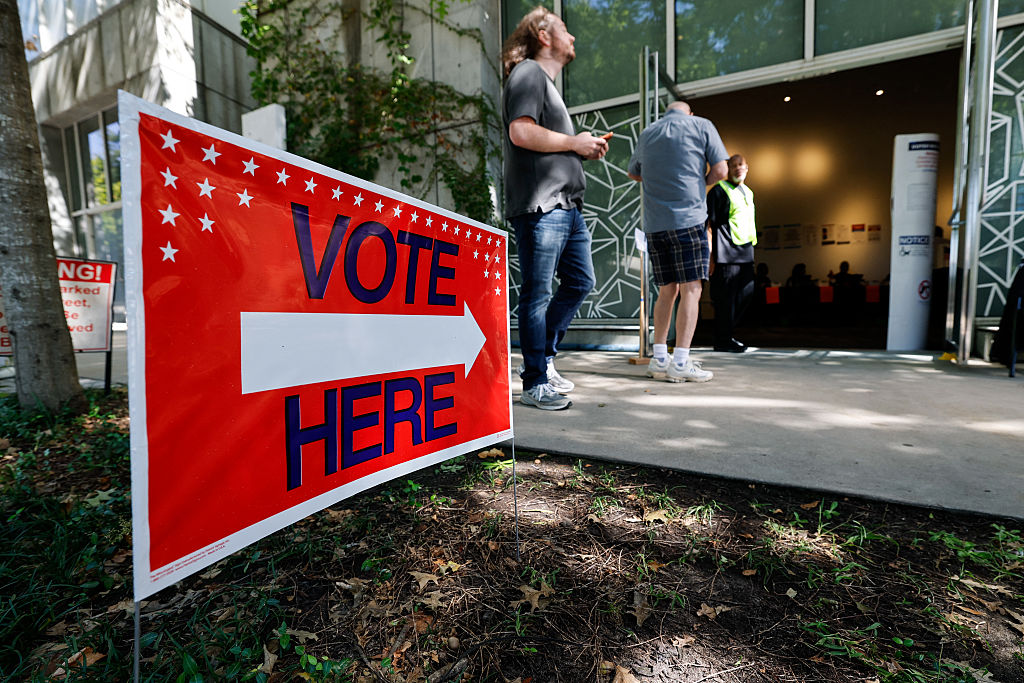
The 2026 midterm elections are already underway.
According to the National Conference of State Legislatures, 47 states and Washington, D.C., offer some form of early in-person voting to all voters. (The only three states that don’t are Alabama, Mississippi and New Hampshire, though eligible voters in those states may still have absentee-voting options.)
Of course, voting isn’t always as simple as showing up. Rules and deadlines vary by state, polling places can change, wording on ballots can be confusing or inaccessible, and questions about voter ID or registration can create additional confusion.
Whether you’re voting early, mailing your ballot or planning to head to the polls on Tuesday, Nov. 3, here are some of our favorite, free, easy-to-use resources to help you get ready. (Even experienced voters need a refresher!)
1. Start Here: Check Your Registration and Make a Voting Plan
Take a minute to confirm that your registration is current, especially if you’ve moved or changed your name since the last election.
Best resource: Vote.org
If you’re not sure where to start, this is one of the most useful voting websites out there (and most popular: In 2024 alone, over 8.3 million people used Vote.org to check their registration, request a mail-in ballot, find their polling place and receive election reminders).
Find everything you need to vote here, from state-by-state voter ID laws, to polling place and dropbox locators.
Another great option: VOTE411.org
Created by the League of Women Voters Education Fund, VOTE411 brings together essential election information in one place, based on your location.

- Find personalized information about your ballot and voting options.
- Check your voter registration status.
- Find your polling place and voting hours.
- Review early-voting and absentee-voting options.
- Learn about your state’s voter ID requirements.
- See which candidates and ballot measures will appear on your ballot.
VOTE411 also offers information in English and Spanish, including candidate responses to questions about important issues.
2. Find Your Polling Place (and Make Sure It’s the Right One)
Not sure where to vote? Your state or county election office should be your final source of information.
Best resource: USAGov’s state and local election office directory
USAGov’s directory connects you directly to the officials who administer elections in your community.

This is especially important if you’re voting early. Early-voting locations and hours may be different from those used on Election Day. Some jurisdictions allow voters to choose among multiple voting centers, while others assign voters to specific locations.
Before leaving home, confirm the address, hours and any location-specific requirements.
Your election office can also help answer questions about accessible voting locations and accommodations for voters with disabilities.
3. Check Your State’s Early-Voting and Mail-Ballot Deadlines
How we’ve been thinking about it at Ms.: In most states, Election Day is your last day to vote.
Best resource: U.S. Vote Foundation’s election dates and deadlines
Some registration deadlines have already passed. Early voting ends before Election Day in many states. And absentee and mail-in ballots come with their own deadlines for requesting, returning and receiving ballots.
U.S. Vote Foundation has a straightforward state-by-state tool that helps voters find the dates that apply to them.

If you’re voting by mail, pay particular attention to the return deadline. Don’t assume putting your ballot in the mail on Nov. 3 will be enough. Some states require ballots to arrive by Election Day, while others allow additional time for properly postmarked ballots.
Check your state’s rules and, if you’re getting close to a deadline, ask your election office about permitted in-person return or drop-off options.
4. Find Out What ID You Need to Vote
Best resource: VoteRiders.org
Voter ID laws aren’t the same everywhere. Some states require photo identification, others accept additional forms of identification, and some don’t require voters to present ID at the polls under ordinary circumstances.
VoteRiders is a nonpartisan organization that explains voter ID rules in every state and provides free, individual assistance to people who need help meeting those requirements, including helping voters obtain identification, replace missing documents, schedule appointments and cover related costs.
If your ID is expired, your name has changed, or you simply aren’t sure whether you have what you need, contact VoteRiders before heading to the polls.
VoteRiders: Call or text 866-432-8683 for free voter ID assistance.
5. See What’s on Your Ballot Before You Go
Best resources: Ballotpedia’s sample ballot lookup and Guides.vote
You may know who’s running for Congress or governor in your state. But what about your state legislature, local judges, school board or ballot measures?
Ballots can be long, and some of the offices and policy questions that affect our daily lives receive relatively little news coverage.
One of my favorite tools for understanding the whole picture is Ballotpedia. Its sample ballot lookup lets you enter your address and explore candidates, elections and ballot measures. You can read candidate biographies, find background information and learn more about ballot questions, though coverage of local races varies.
For a closer look at where candidates stand on the issues, check out Guides.vote, which produces nonpartisan voter guides with the help of experienced editors, researchers and veteran journalists. The guides compare candidates’ positions on issues including abortion, healthcare, immigration, education, LGBTQ+ rights, labor and voting rules, with links to supporting sources so readers can explore the candidates’ statements and records for themselves.
Coverage includes selected U.S. Senate and House races, governor’s races, state supreme court elections and other state races. (Be sure to check the election year and date when looking up a race.)

Read more about Guides.vote and its 2026 election resources in our earlier Ms. coverage.
For candidate responses on the issues you care about, VOTE411 is another helpful resource.
6. Already Voted by Mail? Track Your Ballot
Best resource: Vote.org’s ballot-tracking directory
Once you’ve mailed or dropped off your ballot, you may be able to see when your ballot was sent, received or accepted. Many states provide online tools that allow voters to track their absentee or mail-in ballots.
Vote.org collects links to state ballot-tracking systems in one convenient directory. (The information available varies by state, so don’t be alarmed if your state’s tracker looks different from someone else’s.)
If you receive a notice that there’s a problem with your ballot, contact your election office promptly to find out whether and how you can correct it before the applicable deadline.

7. Something Went Wrong? Here’s Who to Call
Best resource: Election Protection Hotline
Maybe your name isn’t on the voter rolls. Maybe someone tells you your ID isn’t acceptable. Maybe your polling place has changed, the line is unexpectedly long, or you encounter intimidation or harassment.
You don’t have to figure out your next step alone.
The Election Protection Hotline is a national, nonpartisan coalition led by the Lawyers’ Committee for Civil Rights Under Law, that connects voters with trained volunteers who can answer questions and help troubleshoot problems.
Election Protection: Call or text 866-OUR-VOTE (866-687-8683).
The coalition also offers assistance in other languages, including Spanish at 888-VE-Y-VOTA (888-839-8682).
Save the numbers in your phone before you head to the polls. They’re also worth sharing with friends and family members who might need assistance.
And remember: If you’re told that you’re not registered or otherwise ineligible to vote, ask an election official about your options, including a provisional ballot. Federal law provides provisional-ballot protections for voters who affirm that they are registered and eligible to vote in a federal election, though whether that ballot ultimately counts depends on verification and applicable rules.
Finally, consider sharing these resources with someone else: a friend voting for the first time, a family member who recently moved, a college student voting away from home or a neighbor who needs help finding an accessible polling place.
Happy voting! Power to the people.
*
A note from Ms. editors: We want to hear from you for The Majority, a new campaign collecting stories about how reproductive freedom has enabled readers to build the lives they want and need.
Poll after poll shows a majority of Americans support reproductive healthcare access. Yet public debate overlooks the lives shaped by abortion access, contraception, IVF, miscarriage care, maternal healthcare or comprehensive sex education—countless women who chose to pursue an education, have children, not have children, protect their health and chart their own future. What’s your reproductive freedom story? Add your voice. Together, these stories will help show not only why reproductive freedom remains a majority value, but also what it makes possible.