


Why the ‘Tradwife’ Life Is More Dangerous Than Ever Before

They were soulmates. At least that’s what Olivia thought—and Brad said. When they reconnected over a decade later, it seemed like fate.

Brad was charismatic. Within a couple years, Olivia was pregnant, and Brad wanted her to stay home. “He didn’t use the term ‘tradwife’ but that’s what he wanted,” she said, referring to the social media trend glorifying the traditional wife of the 1950s who tends the home and has no financial independence. “I felt like a slave. He expected me to keep the house clean while caring for our baby. … If I didn’t wear makeup and have my hair done, he would ask why. … The only thing with my name on it was a joint Costco card.”

After he cheated multiple times, they got divorced and she got no alimony. Brad lives in a comfortable home thanks to his well-paying job. Olivia lives in a trailer.

“If you refrain from building your own success, it’s very dangerous,” she said. “Being a ‘tradwife’ is like playing Russian roulette.”
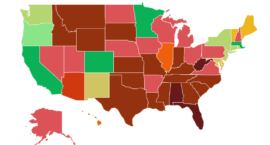
The Best and Worst States for Family Care Policies

In 2021, the Century Foundation published its first care policy report card, “Care Matters,” which graded each state on a number of supportive family policies and worker rights and protections, such as paid sick and paid family leave, pregnant worker fairness, and the domestic worker bill of rights. The 2021 report card revealed the tremendous gaps in state care policies and a fragmented and insufficient system of care workers and families in most states.

This year’s update, co-authored with Caring Across Generations, takes another look at how states are doing.

So Who Gets the Kids? Divorce in the Age of Equal Parenting

The Alice Hector–Robert Young divorce case epitomizes the impact of gendered parenting stereotypes held in custody cases. Is there a side feminists should take?

(For more ground-breaking stories like this, order 50 YEARS OF Ms.: THE BEST OF THE PATHFINDING MAGAZINE THAT IGNITED A REVOLUTION, Alfred A. Knopf—a collection of the most audacious, norm-breaking coverage Ms. has published.)

War on Women: Arson at Abortion Clinics Is up 100 Percent; Trump Is Guilty of Sexual Abuse and Defamation; Republicans Try to End No-Fault Divorce

U.S. patriarchal authoritarianism is on the rise, and democracy is on the decline. But day after day, we stay vigilant in our goals to dismantle patriarchy at every turn. The fight is far from over. We are watching, and we refuse to go back. This is the War on Women Report.

This month: Jane’s Due Process is now providing travel funding for Texas teens accessing abortion; states continue to face anti-LGBTQ legislative attacks; Donald Trump was found liable for sexually abusing and defaming E. Jean Carroll; Indiana’s medical licensing board fined Dr. Caitlin Bernard; and more.

Take it From a Divorce Coach and Attorney: Ending No-Fault Divorce Is a Scary Suggestion

No-fault divorce aims to provide a fair and equitable approach to marital dissolution by removing the need to assign blame or prove wrong-doing in order to obtain the divorce.

As a society, we recognize that not all relationships are forever. Now, conservative leaders in states like Louisiana, Texas and Nebraska want to get rid of no-fault divorce, in some cases introducing bills that would transform us back to the world of fault-based battles. What many people don’t understand is this would be absolutely catastrophic—especially for women. 

How the Big Business of Divorce Benefits Men

divorce

Divorce is a $28 billion a year industry that affects 50 percent of the people involved in marriage. Between 70 and 80 percent of divorces are initiated by women. Among college-educated women, that number jumps to 90 percent. But even though women overwhelmingly are the ones who want divorce, men somehow benefit disproportionately. Why?

Rise in Pandemic Divorce Sounds Alarm to Address Gender Inequities at Home

Being quarantined led to a devastating hit on U.S. marriages. By June 2020—just three months into the pandemic—there had been a 34 percent increase in couples contemplating divorce compared to 2019.

While financial stressors and health worries contribute to the breakdown of partnerships, in many heterosexual partnerships, it is the massive disparity in who does household labor, including childcare, that matters most.