

The Feminist Peace Initiative Urges Intersectional Feminist Principles in U.S. Foreign Policy

The Feminist Peace Initiative, co-founded by MADRE, Women Cross DMZ and the Grassroots Global Justice Alliance, challenges and reimagines a U.S. foreign policy in the interests of all people and the planet.

“The conditions people flee—economic, violence—are push factors often created by U.S. policies, and exacerbated by the climate catastrophe, a result of corporate extraction or militarized pollution.”
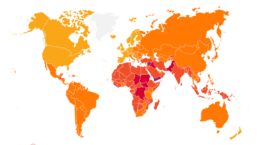
The Global State of Women: WPS Index Documents Women’s Status Around the World

The Global State of Women: WPS Index Documents Women's Status Around the World

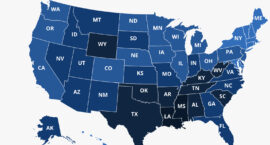
The Women, Peace and Security (WPS) Index from Georgetown University provides a simple ranking and comprehensive picture of women’s inclusion, access to justice and security in 170 countries.

Norway is the top performer. Afghanistan was ranked the worst. Where does your country rank?

U.S. Military’s Male-Dominated Culture Harms More Than Just Women

U.S. Military's Male-Dominated Culture Harms More Than Just Women

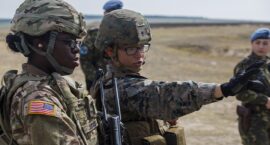
Major gender gaps persist in the U.S. armed forces, negatively impacting operational effectiveness, military culture and compliance with international law, according to a report released by the Georgetown Institute for Women Peace and Security.

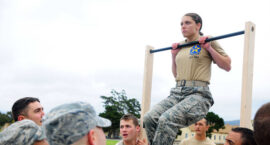
To ensure women’s meaningful participation, the report suggests that women must be promoted to leadership positions and their input must be valued. To do so, the military must adopt better and more complete childcare and parental leave policies and decouple physical fitness standards from advancement.

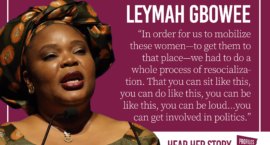
Nobel Prize Winner Leymah Gbowee Fights for the “Unknown Women” Leading Nonviolent Protests in the Face of Civil War

Nobel Prize Winner Leymah Gbowee Fights for the "Unknown Women" Leading Nonviolent Protests in the Face of Civil War

Nobel Peace Prize recipient Leymah Gbowee talks about her experiences with war and journey to being a peacemaker.

“I did what I had to do, at a time that was necessary. I wasn’t looking for any accolades. I would do it again, even if there wasn’t a Nobel Peace Prize. … That prize, that has my name on it, says we recognize the role of grassroots, rural, community women as nurturers and sustainers of their society.”

As a Woman Researcher, I Experienced the Harassment and Silencing of the Women Soldiers I Interviewed

As a Woman Researcher, I Experienced the Harassment and Silencing of the Women Soldiers I Interviewed

Women peacekeepers are being asked to increase the security for women civilians in conflict zones—yet women peacekeepers are being sexually harassed and assaulted by men in their own militaries. How can the U.N. Security Council stand by its call to troop contributing countries to increase the numbers of women peacekeepers they are deploying, when they can’t keep them safe?

Women, Power and Peacebuilding: Assessing the Women Peace and Security Agenda

Women, Power and Peacebuilding: Assessing the Women Peace and Security Agenda

Sanam Naraghi Anderlini, founder and CEO of the International Civil Society Action Network (ICAN) and director of the Centre for Women, Peace and Security at the London School of Economics joined Ms. for a frank and far-reaching interview to discuss what has been accomplished by the Women Peace and Security (WPS) Agenda thus far and what more needs to be done.

“Certainly we need the war-makers present to agree to end to the violence, but to make peace, you must bring the peacemakers.”

Peace is On the Line: The Women, Peace and Security Agenda Must Be Fulfilled

“When Women Succeed, the World Succeeds”

The U.S. Civil Society Working Group for Women, Peace and Security (WPS) convened legislators, practitioners and peacebuilding organizations to discuss how the pandemic has affected peacebuilding efforts, how we can institute the principles of WPS within the U.S. context, and what we can learn from peacebuilders past and present to help solve the unique challenges of this era.