As girls leave sports at alarming rates, evidence points to one of the most powerful retention tools: supportive, well-trained coaches.
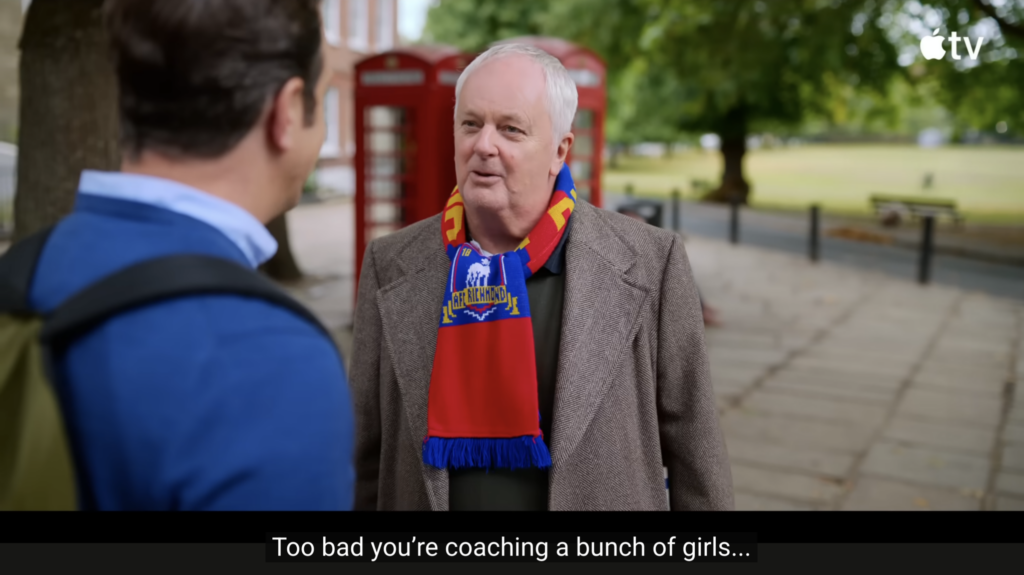
Ted Lasso returns for its fourth season on Aug. 5. When the trailer for the new season dropped earlier this year, one moment landed harder than the rest. On his way to practice, Ted runs into his old nemesis, Mr. Mann, who welcomes him back with a backhanded jab: “Too bad you’re coaching a bunch of girls.”
It’s played for discomfort—and it should be. That attitude is not just an onscreen trope; it’s the ambient skepticism that millions of girls absorb every time they step onto a field or court. It points to a critical question in our current moment: What happens when the coach on the sidelines isn’t prepared to push back?
The High Stakes of the Sideline
The evidence for why this question matters has never been stronger. A 2026 systematic review on the impact of youth sports concluded that organized athletics are a primary engine for psychological and social development, including higher self-esteem, greater life satisfaction and lower symptoms of depression and anxiety.
However, the researchers were clear: These benefits are not automatic. The positive outcomes depend entirely on whether the adults leading the program can create an environment where young people feel seen, respected and safe enough to stay.
By age 14, girls are leaving sports at twice the rate of boys. This exodus occurs before many have had the chance to experience the long-term benefits of athletics: resilience, belonging and the bone-deep confidence that sports can provide.
A first-of-its-kind national youth study from the Aspen Institute’s Project Play sheds light on this phenomenon. When researchers spoke with young people, the results were clear: Feeling “not good enough” was the primary reason former players walked away, with “bad coaching” following closely behind.
The testimony from these youth is a call to action. One participant told the researcher, “I never felt confident enough to try. I didn’t feel like I fit in.” When current players were asked what they valued in a coach, winning was an afterthought. Instead, they rated life skills and personal development significantly higher.
It turns out that young athletes are not asking for a master tactician; they are looking for a mentor.
The Coaching Gap in a $40 Billion Industry
Research found that 80 percent of girls credit a positive relationship with their coach as a top reason they keep playing, and girls who feel heard by their coach are 2.5 times more likely to stay.
The coach isn’t just running practice. Though commonly overlooked, the coach is one of the most influential factors in whether a girl stays in or walks away from organized sports.
Of the roughly 6 million coaches coaching nearly 40 million young people in the U.S., fewer than one in three have any formal training in youth development. Many are expected to support children throughout the most formative years of their lives without clear guidance on how to build confidence, foster a sense of belonging or navigate the specific dynamics that shape girls’ experiences in sports.
There are no consistent standards for what youth coaches are expected to know and no shared definition for what quality coaching looks like. That gap hits hardest in girls’ sports, where cultural skepticism—the kind Ted Lasso‘s Mr. Mann voices so casually—compounds the challenge coaches already face.
Critics often point out that youth coaching is largely volunteer work, making it unrealistic to expect more. That is a fair tension. However, youth sports is a $40 billion industry. The question is not whether the resources exist to better support coaches; it’s whether we’ve decided they are worth the investment.
Investing in the Mentor
Leading organizations have already decided the answer is yes. Girls on the Run was built on the premise that how a coach shows up and the kind of experience they create directly shape whether girls feel they belong, build confidence, and stay engaged.
Girls on the Run is one of 18 national organizations participating in the Million Coaches Challenge. Launched by the Susan Crown Exchange, the initiative has brought quality youth development training to more than 1 million coaches. Of those, 88 percent say it made them better coaches, and 72 percent report a positive impact on athlete retention.
However, with nearly 40 million kids participating in youth sports across the U.S., one million is still a fraction of what is needed, and the infrastructure that makes it possible remains largely unfunded.
In our recent external research, over 95 percent of Girls on the Run alums described the program as different from other sports experiences. They specifically pointed to the life skills they learned and the coaches who made them feel welcome, with 90 percent of those interviewed saying this influenced their continued involvement in sports.
A Call for Systemic Support
Alumni described how skills learned, such as managing emotions, setting goals, navigating conflict and building supportive relationships, have followed them into school, friendships and everyday life. That kind of outcome isn’t accidental. It is the direct return on investing in the adults who shape girls’ earliest experiences with sports.
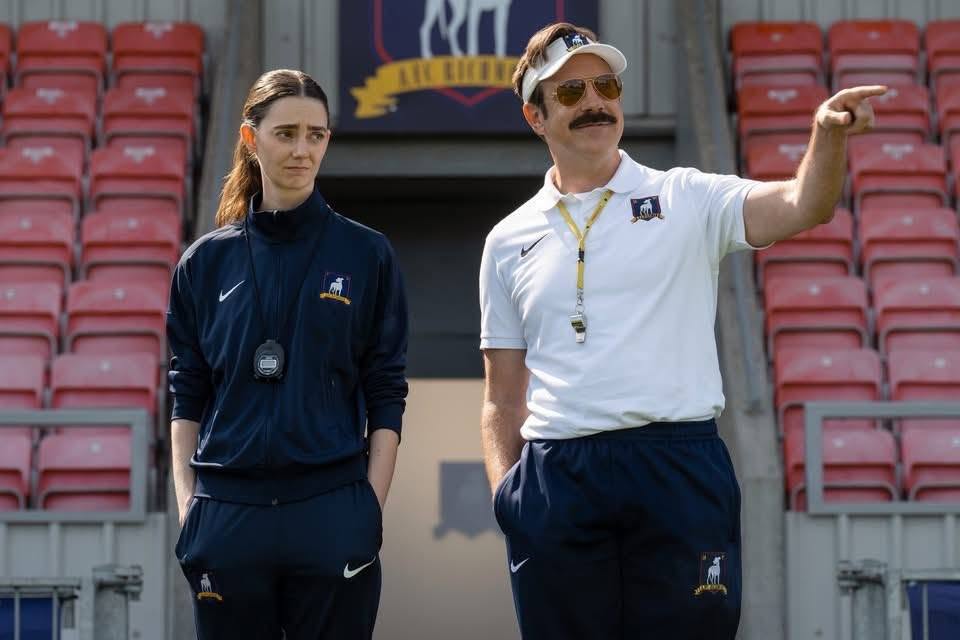
Philanthropy and institutional funders have an opportunity, and arguably an obligation, to match their investment in women’s sports with an investment in the coaching infrastructure beneath it: training, shared standards and the organizational support required to make quality coaching sustainable across a fragmented system.
Ted Lasso may be fiction, but the 6 million coaches showing up every weekend are not. The girls who will lead the next generation are already on the field; their coaches need to be prepared to meet the moment.
For more information, visit Girls on the Run to get involved and contribute.