

Explainer: How Does Family Planning Save Lives?

When a war forcibly displaces tens of thousands of people, UNFPA, the United Nations sexual and reproductive health agency, equips displacement camps and medical personnel with critical supplies—including condoms, oral and injectable contraceptives, contraceptives implants and intrauterine devices. 

When an earthquake tumbles whole city blocks, UNFPA puts contraceptives onto emergency relief convoys, alongside kits for delivering babies and medicines to stop internal bleeding.

When a cyclone slashes through remote island communities, UNFPA sends contraceptives just as it sends sterile medical equipment.

Why? Because contraceptives are part of life-saving humanitarian care.

Men in Detention Face Sexual Torture Amid War in Ukraine

The world is seeing “heightened levels of conflict-related sexual violence, fuelled by arms proliferation and increased militarization,” a recent United Nations report notes. Although the vast majority of victims of this crime are women and girls, this kind of violence is also all too common—and severely underreported—among men, boys and people of diverse gender identities.

“Most of the reported incidents against men and boys occurred in detention settings,” the U.N. report states. 

‘Gaza Is at Breaking Point’: Health Workers and Patients Describe an Unfolding Catastrophe in Rafah

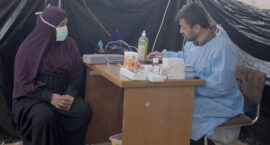
Since the escalation of hostilities in October 2023, around 1.7 million people have been displaced in Gaza, with an estimated 1.5 million crowded into Rafah. As food, fuel, clean water and medical supplies run desperately low, disease, illness, severe hunger and acute malnutrition are rife, particularly among the more than 155,000 pregnant and breastfeeding women and their newborns.