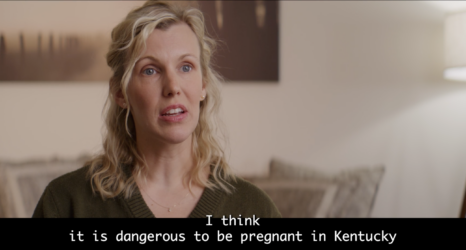
What did access to reproductive choices give you the freedom to build?

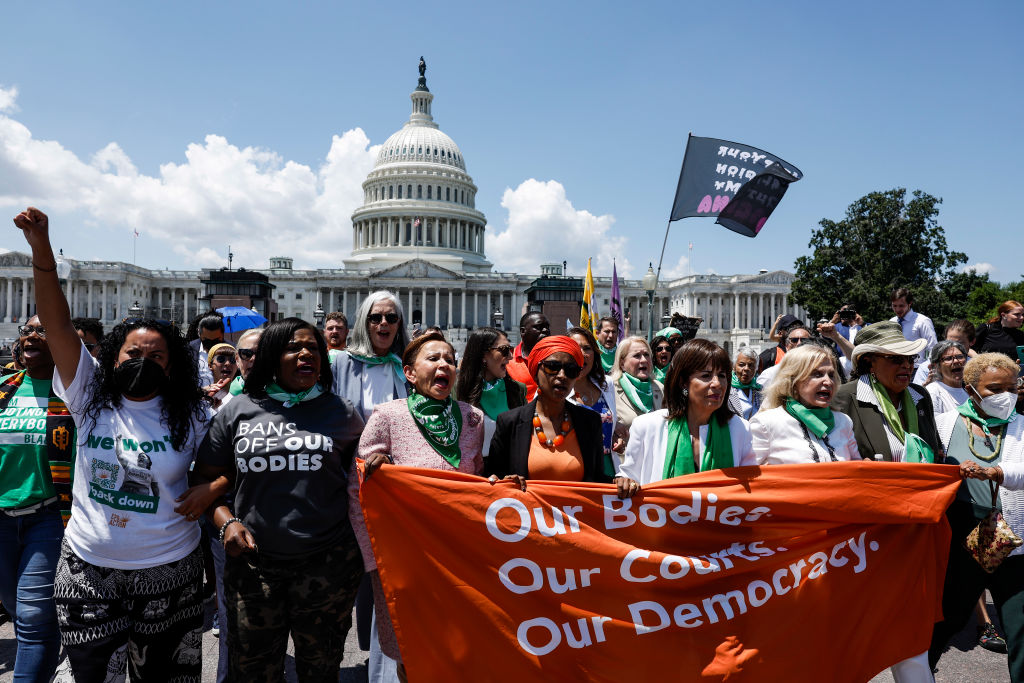
Four years after Dobbs v. Jackson Women’s Health Organization overturned Roe v. Wade, the evidence is overwhelming: Reproductive freedom is not a fringe issue. It is a majority value.
- Since Dobbs, voters have repeatedly turned out to protect abortion rights at the ballot box, rejecting abortion bans and affirming reproductive freedom across red, blue and purple states alike.
- Poll after poll shows a clear majority of Americans—60 percent—continue to support legal abortion in all or most cases.
- Despite bans across much of the country, abortion rates have not fallen: More than 1.1 million abortions were provided in 2025 as telehealth increasingly helped patients access care.
- Abortion is also far more common than many realize: Researchers estimate that one in four U.S. women will have an abortion by age 45—meaning someone you love has had one.
But statistics alone cannot capture what that freedom has made possible.
You (or someone you love) has benefited from contraception, sex education, maternal care, assisted reproduction, miscarriage care or abortion. This isn’t a privilege we ask permission for. It’s a right millions of us exercise every day—legal or not, restricted or not, named or not.
On the fourth anniversary of Dobbs, Ms. is joining reproductive justice movement partners Center for Reproductive Rights and Reproductive Freedom for All to launch The Majority, a storytelling campaign centered on a simple question: What did access to reproductive choices give you the freedom to build?
One woman credits birth control with helping her manage PMOS (formerly PCOS) and pursue the education and career she dreamed of. A mother was able to raise the children she already had because she was not forced into a pregnancy she did not choose. Another mother received emergency reproductive healthcare and lived long enough to see her daughter grow up. A sister got to grow up alongside her younger brother because their mother had access to reproductive healthcare when she needed it. Young women were able to build lives on their own timeline—not one dictated by circumstance, politics or chance.
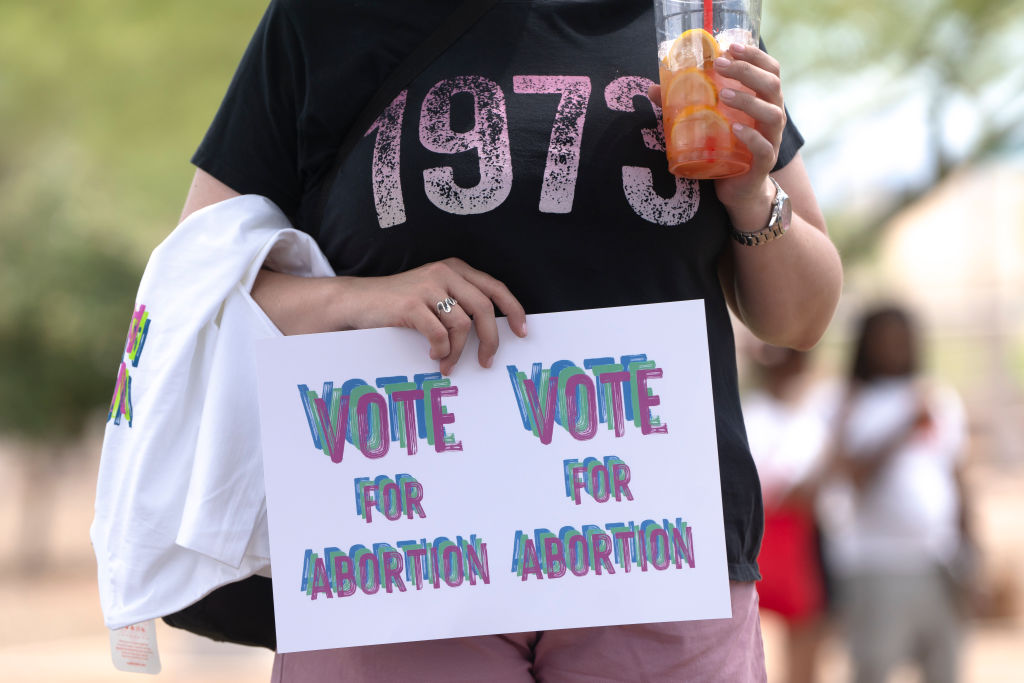
These stories are the lived experiences of millions of Americans. They differ in their details, but they point to the same truth: Reproductive freedom is not simply about preventing harm. It is about creating possibilities while exercising the freedom to learn, work, love, parent, heal and plan for the future.
The central message of this campaign: We are the majority. And visibility matters.
For decades, antiabortion extremists and other opponents of reproductive freedom have sought to isolate these experiences, treating them as private matters rather than shared realities. The Majority campaign seeks to do the opposite. By sharing our stories, we make visible the countless ways reproductive freedom has shaped our families, communities and futures.
The campaign’s call to action is simple: Add your voice to the record and share the life you built. Then, once you’ve shared, use #TheLifeIBuilt to tell your story. Follow #TheMajority to hear from others doing the same.
The Majority campaign was spearheaded by Siri Patel and Ms. contributor Jaime Patel, developed in collaboration with the Ms. team.
Look to these trusted groups if you or a loved one needs to know more about reliable abortion care:
- A one-stop-shop for abortion seekers: I Need An A
- Other websites to explore all your options for abortion care: Plan C Pills, Abortion Finder
- Safe websites to buy abortion medication: Aid Access, Massachusetts Medication Abortion Access Project, Hey Jane
- If you need help affording abortion care, tell your telemedicine provider or contact an abortion fund near you.
- To protect your digital privacy when planning your abortion, click here.
- For free legal help as a patient or doctor, call If/When/How’s Repro Helpline—844-868-2812—or contact Pregnancy Justice.
- For medical advice, contact the Miscarriage & Abortion Hotline: 833-246-2632.
- If you need to know the abortion law in your state, look to the Center for Reproductive Rights. or Guttmacher Institute.
Support more work like this article
The reporting you just read is possible because of readers like you. Since 1972, Ms. has delivered independent, feminist journalism that tells the stories too often overlooked by other news media, challenges systems of inequality and holds power to account. We have no corporate owners, no advertisers and no billionaires dictating what we cover. Instead, we answer to our readers and our mission. If you value reporting that centers women and girls—and covers the issues others leave out—please support Ms. today by making a tax-deductible donation, becoming a member to receive a magazine subscription, or gifting a membership to a friend. Together, we can continue reporting, rebelling and truth-telling.