


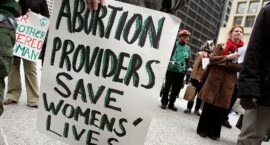
Reproductive health clinics have been closing at alarming rates since the Supreme Court ended federal abortion protections in 2022. Every time a clinic closes, patients lose access to care, but that’s not all: Whole communities lose their comprehensive care providers for future generations.
As a nurse, doula and the executive director of the reproductive health clinical training and advocacy group Repro TLC, I’ve seen firsthand how abortion restrictions and clinic closures are shrinking the pipeline of trained providers. This is happening even in the states where access to abortion care remains fairly robust.
The result is a workforce crisis in the medical field that extends far beyond abortion access and threatens the future of reproductive health in communities nationwide.
Community-based reproductive health centers—clinics that operate independently of hospitals, major medical centers or Planned Parenthood affiliates—serve as a safety net for patients. They provide 58 percent of abortion care nationwide.
They also provide crucial training infrastructure for future healthcare providers. Most medical and nursing education programs do not teach abortion care; providers who want to provide abortions to patients often have to find, coordinate and fund their own training opportunities at independent clinics—like a self-organized medical rotation. And as more of these independent clinics close, these training opportunities dwindle.