



How the Trump Administration’s Conservative Policies and Messaging Are Reshaping Body Image Standards for American Women

Body image and beauty standards for women have long shifted like fashion trends—one year in, the next out, often cycling every decade. Recently, Americans have seen a move away from body positivity and acceptance toward the ultra-thin ideals of “heroin chic.” Celebrity, influencer, and everyday social media posts alike are discussing dissolving their BBLs and turning to Ozempic or similar drugs to lose weight.

Women are sacrificing their health to fit into a very narrow standard of beauty. Ozempic, originally meant for diabetes management, has become a weight-loss tool for those who can afford it. “You can spend $1,000 a month and be thin,” says Dr. Caroline Heldman, Ph.D., author, journalist, and executive director of the Representation Project. Its long-term efficacy for weight loss has not been tested enough, yet the pressure to conform continues to grow.

This pressure is intersectional, both classist and racist. “About 300 years ago, we started to see the rise of white, thin purity as a way to differentiate white women from Black women with voluptuous bodies,” Heldman explains. Today, diet culture and society’s obsession with thinness still reflect these historic, racialized ideals, pushing women into unsafe beauty trends and fostering psychological distress.
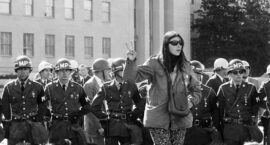
The U.S. Draft Explained: Who Registers, Who’s At Risk, and What It Means for Women

Last month, Donald Trump and Benjamin Netanyahu collaborated in an attack on Iran’s nuclear facilities, thrusting America into the middle of a centuries-long conflict. Almost immediately, my TikTok feed filled with posts and videos expressing fear of a U.S. military draft. One user asked, “Trump dodged the draft—why can’t we?” Another wondered, “Why are we getting into business that is not ours?” With tensions rising and misinformation about a draft spreading on social media, young people—and especially women—are left speculating: Who will be called to serve, and who will be left behind?

While recent statements from both U.S. and Iranian officials suggest a preference for negotiations over direct military conflict, it begs the question: What happens if the U.S. formally declares war—on Iran or another nation? If a draft is implemented, who will be forced to serve? And what happens to those who don’t?

Black Activists Say Trump Administration’s ICE Raids Revive Jim Crow Tactics

“The ICE crisis is a Black issue, too,” said Myeisha Essex of Black Women for Wellness (BWW) at a recent press conference in Los Angeles. Essex was joined by leaders from other Black- and Latino-led grassroots organizations, including the Black Alliance for Just Immigration (BAJI) and the California Black Power Network (CBPN). Together, they warned that Trump’s crackdown threatens the safety and civil rights of immigrants and citizens alike, underscoring the need for solidarity across communities of color—and with allies—amid deepening political and racial divides.

The uncertainty and fear of this political moment intensified last month when the Supreme Court upheld the federal government’s ability to deport immigrants to third-party countries—even when individuals have not had a fair chance to contest removal or raise credible fears of torture or harm. Advocates argue the ruling undercuts due process and erodes bedrock democratic principles, leaving both immigrants and U.S. citizens questioning what rights remain secure.

“We are the ones—Black people, regardless of citizenship—who must define what resilience and resistance look like in this moment,” said Nana Gyamfi, executive director of BAJI. “The first human beings who migrated, allowing people to exist all over this planet, were Black people.”