‘Small But Mighty’: Abortion Funding in New England

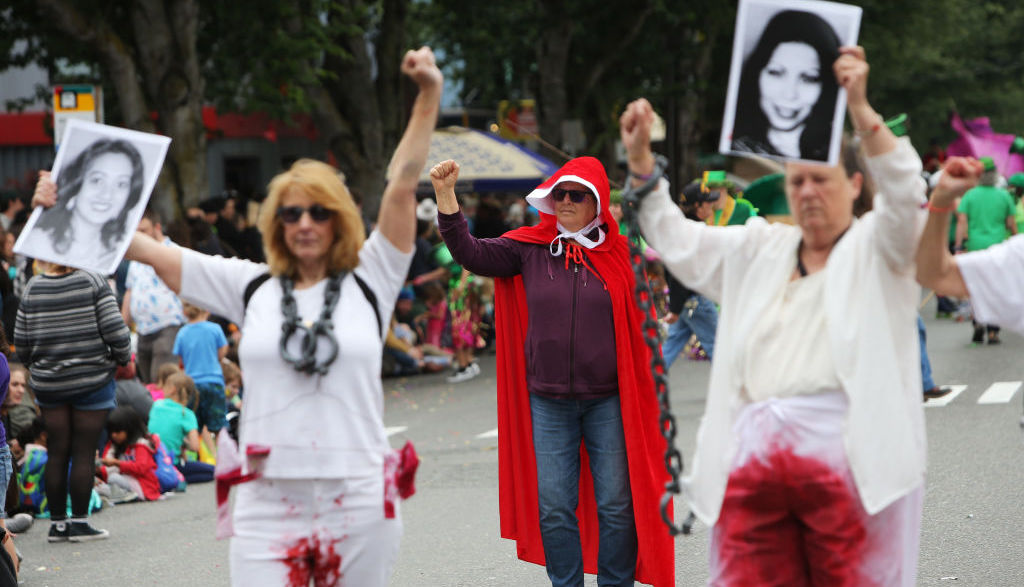
Since the fall of Roe, states in New England have been fairly protective of abortion. In spite of these protections, there are still abortion seekers in New England who need help accessing costly procedures. That’s where abortion funds come in—local nonprofits that pay for someone’s abortion, plus extra costs, like transportation or lodging.

We interviewed representatives from Tides for Reproductive Freedom (Tides) in Massachusetts, the Reproductive Freedom Fund of New Hampshire (ReproFund), and the Women’s Health and Education Fund of Rhode Island (WHEF). More than one fund activist called their group “small but mighty”—acknowledging both the community-based approach, but also the power that comes with their smallness.

(This piece is the second in a series of articles spotlighting interviews with fund representatives across the U.S.)


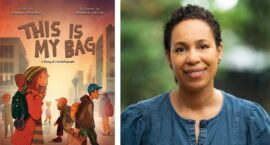
A Story of the Unhoused: The Ms. Q&A with Author Roxanne Chester

How should you talk about unhoused people with children? Read them This is My Bag.

The children’s picture book looks at the day-to-day realities of diverse people—children and elderly, able-bodied and disabled and diverse in race—who are forced to carry their valuables with them because they lack a permanent residence.

The author, Roxanne Chester, spoke to Ms. reporter Eleanor J. Bader in late December, several weeks after the book was released.

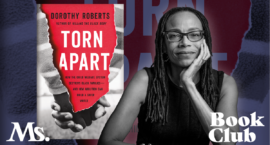
Reimagining Child Welfare: The Ms. Q&A with Dorothy Roberts, Host of Podcast ‘Torn Apart’

Professor Dorothy Roberts worked for decades to try to fix the child welfare system—but she came to the understanding that the system could not be fixed: It had to be abolished. Ms. sat down with her to discuss how abolishing the child welfare system is an issue of reproductive justice for women and their families, and the importance of educating about the injustices of the child welfare system.

All episodes of Torn Apart are available here or wherever you get your podcasts.

Our Abortion Stories: ‘I Didn’t Have the Support I Needed to Be the Parent I Wanted to Be’

Last summer, the Supreme Court overturned the longstanding precedents of Roe v. Wade, representing the largest blow to women’s constitutional rights in history. A series from Ms., Our Abortion Stories chronicles readers’ experiences of abortion pre- and post-Roe. Abortions are sought by a wide range of people for many different reasons. There is no single story. (Share your abortion story by emailing myabortionstory@msmagazine.com.)

“I wanted that baby, but it wasn’t meant to be.”

“The law was forcing this decision for me. I cried because I knew I needed to get an abortion but didn’t know how.”

“My life is better because of my decision.”

The Truth About the Adoption Option

During oral arguments in Dobbs v. Jackson, the case that would end 50 years of protections for abortion rights in the U.S., Justice Amy Coney Barrett asked lawyers for a Mississippi clinic, “Why don’t safe-haven laws take care of that problem?” Ignored by the justices was extensive research showing that forced birth has consequences—devastating ones—for the woman, for the infant and for the communities where they live.

(This article originally appears in the Spring 2023 issue of Ms. Join the Ms. community today and you’ll get the issue delivered straight to your mailbox!)

Supreme Court Rules Native Adoptions Can Prioritize Tribal Families

In a surprise ruling, the Supreme Court upheld the Indian Child Welfare Act (ICWA) in a 7-2 vote in the case of . The Court rejected the challenges brought against ICWA by Chad and Jennifer Brackeen and two other other non-Native prospective adoptive couples—”some on the merits and others for lack of standing,” wrote Justice Amy Coney Barrett in her majority opinion.

Native American tribal leaders and advocates see the ruling as a win and say the law safeguards Native children and tribal communities. “We hope this decision will lay to rest the political attacks aimed at diminishing tribal sovereignty and creating instability throughout Indian law that have persisted for too long,” said a statement from leaders of the Cherokee Nation, Morongo Band of Mission Indians, Oneida Nation and Quinault Indian Nation.

Safe Haven Laws Were Never Supposed to Be an Alternative to Abortion

The case of Dobbs v. Jackson Women’s Health Organization has thrust safe haven laws back into the public spotlight. Safe haven laws ignore the very real risks and burdens associated with pregnancy and childbirth, particularly for vulnerable communities, and were never intended to be a literal alternative to abortion.

These laws ignore the very real risks and burdens associated with pregnancy and childbirth, particularly for vulnerable communities. They also represent an abandonment of “troubled young women” by “deciding that their deep-rooted problems can be saved by an after-the-fact, quick-fix solution.”

We’re the Women Who Chose Adoption Over Abortion. Ask Us Why Abortion Rights Matter

Over the years friends have asked my advice about their unplanned pregnancies or their daughters’. I don’t give advice. What I say is that I’m thrilled that my son walks the earth, but that the emotional cost was so much higher than I’d imagined. That there was no ‘clean slate’ afterward, only loss. That if I were faced with the same circumstances a second time, I would probably choose an early abortion. That what saved me in the end was the ability to make the choice myself.