
In the years following #MeToo, some high-profile men have embraced feminism not as a practice, but as a performance: distancing themselves from those exposed by the movement while reaping the cultural benefits of appearing as “one of the good guys.”


More Than A Magazine, A Movement

Stories here about women navigating the television industry, representation on and off-screen and feminist TV show reviews.
In the years following #MeToo, some high-profile men have embraced feminism not as a practice, but as a performance: distancing themselves from those exposed by the movement while reaping the cultural benefits of appearing as “one of the good guys.”
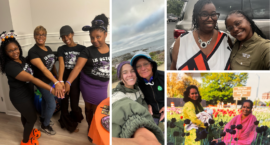
Galentine’s Day, first introduced in Parks and Recreation 15 years ago, has become a powerful celebration of female friendships, mentorship, and support. More than just a fun tradition, it highlights the importance of women uplifting each other in a world that often overlooks these bonds. This day reminds us that when women come together—whether in friendship or leadership—they create meaningful change. As we celebrate, we reaffirm our commitment to empowering women and fostering a more representative democracy.
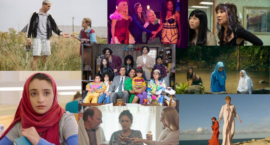
A roundup of the best feminist fiction on TV this year—including Girls5eva on Netflix, Quiz Lady on Hulu, and Americanish on Apple TV.
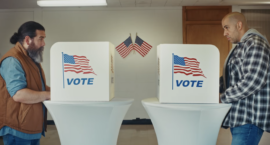
Among the most memorable ads of the political season are a pair of 30-second spots with explicitly gendered themes featuring voiceovers from two of America’s most beloved movie stars. The ads each play on the idea of “permission structures,” the assumption that voters sometimes need to be given permission to vote for a candidate or party that is not popular with their social group.
During this election cycle, Democrats and Democratic-aligned groups seem finally to have figured out that they need to respond, in part by creating a special kind of permission structure for men to support them. Permission for men to vote for their values and conscience just might make a difference in what promises to be a very close election.
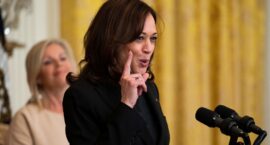
After Vice President Kamala Harris recently completed an interview with a combative Fox News host, pundits agreed she “gave a master class on what it means to be a Black woman in politics” by demonstrating cool, calm, effective leadership. The Grio’s Gerren Keith Gaynor noted she avoided the “angry Black woman” trope—a stereotype that not only permeates politics but has deep roots in the entertainment industry.
In recent years, a more diverse and empowering portrayal of Black women on the big screen has celebrated complexity and identity. For nearly all of its existence, though, Hollywood has been anything but inclusive, often illustrating one-dimensional perspectives of Black women. The history of inadequate representation—and certainly positive representation—helped form the “angry Black woman” stereotype, among other false narratives.
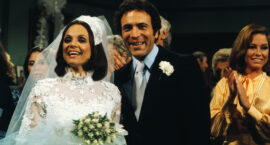
Having TV’s most celebrated single hitched, on what was just the eighth episode of her new sitcom, ended up dooming Rhoda only as it had begun. But the wedding itself? The ceremony? That was a massive television success. Am era-defining cultural happening. The whole country attended.
Fifty years ago: Oct. 28, 1974.
While the show ended with a whimper in December 1978, it advanced a primetime movement in the 1970s—playing out within the greater movement—that led to increased representation of women and gender issues on screen.

After seven long seasons, The Good Doctor aired its final episode this summer. For a series that has been a large point of contention among the Autistic community, for better or for worse, the show has cemented itself a seemingly permanent spot in the conversation about Autistic media representation and, more broadly, how Autism is seen by the general public.
I am Autistic, and I polled several fellow Autistic thought leaders and experts, and it’s official: The Autistic community mostly rejects the show, mainly for its oversimplified and flawed representation of Autism.

Three years ago, I wrote a piece for Ms. about Hollywood’s blatant and continued exclusion of Autistic people, as well as the ableist tropes film and TV have continued to push in its depiction of Autism. Since the article was published, I have seen more positive strides taken in terms of Autism representation in the media, with many of those strides coming from the world of animation.
As we wind down World Autism Month, here are some of my favorite Autistic and Autistic-coded characters in animation.
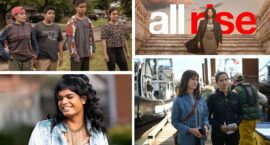
Shows centering on women, LGBTQ+ individuals and people of color are often the first to get the axe—undermining streaming platforms’ supposed commitment to diversity.
The disappointments of past cancellations and the victory of the writers’ strike offer two sides of the same story—illustrating the foibles of a top-down approach to television production that emphasizes revenue over meaningful content.
Here are our critic’s top picks for the most disappointing cancellations of 2023.
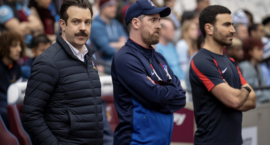
Ted Lasso stayed true to its most salient value in our current media landscape by casually and comfortably addressing the possibility of healthier masculinity in heavily male-dominated spaces. This is particularly groundbreaking given the context of aggression in men’s sports, especially English football.