Women are uniquely affected by wars and militarization—whether they are fighting on the front lines, facing displacement or death as civilians, or even U.S. veterans being denied the right to abortion.

As we pause to mark Memorial Day on Monday, I’m thinking about the women affected by war—whether they’re fighting on the front lines, working in the service as nurses, or civilians saddled with the consequences of wars started by men living in far-off lands who barely know they exist.
Research shows that women and girls face unique and acute impacts in armed conflict situations. For women on the ground in Iran, who are already subject to increased policing at the hands of their own government, these impacts are multiplied. Since 165 girls were killed by an American missile in the bombing of an elementary school earlier this year, thousands more women and girls have continued to be displaced and killed in airstrikes. And as the Georgetown Institute for Women, Peace and Security points out, women also face increased environmental tolls from the bombing of oil and gas infrastructure—which causes pollution that can lead to health issues and reproductive complications.

Throughout it all, the war in Iran remains overwhelmingly unpopular. Recent polling from the New York Times/Siena on President Trump’s popularity showed that 65 percent disapproved of his handling of the war in Iran, with a comparable percentage expressing disapproval of his handling of the Israel/Palestine war as well.
The devastation that the Iran war has inflicted—from schoolgirls’ lives lost to rising costs to energy shortages—continues to ripple outward. The headlines here in the U.S. focus on gas prices and the energy crisis, but the closure of the Strait of Hormuz is trapping fertilizer necessary for food systems, and petrochemicals necessary for things like medical supplies and clothing. And as time goes on, fewer and fewer will be immune to the impacts—and civilian populations around the globe will suffer.
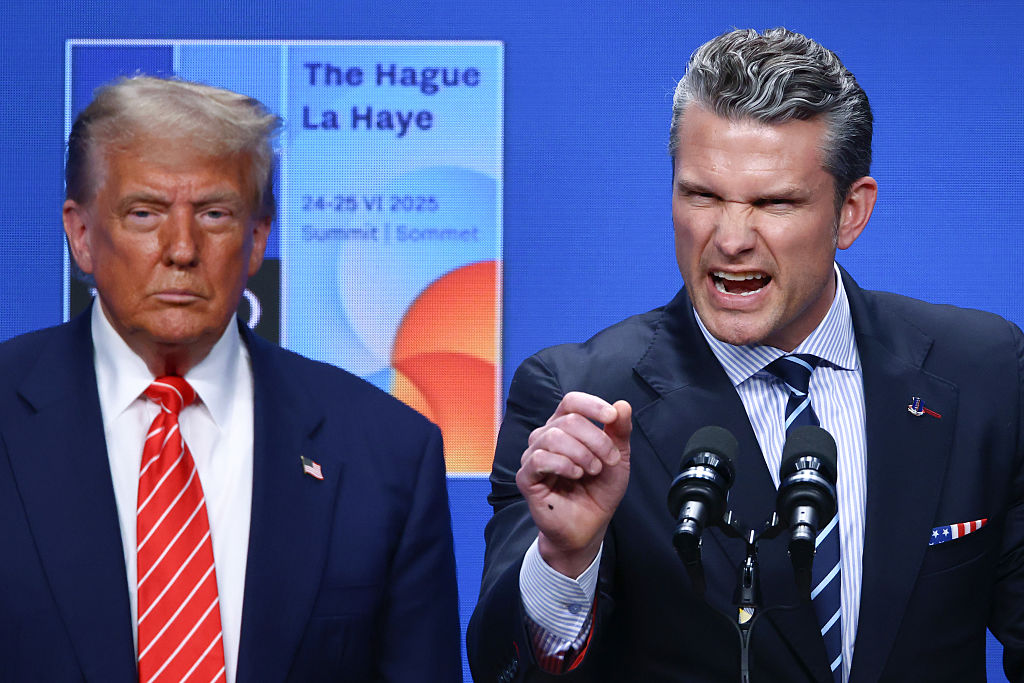
When it comes to the U.S. military, “Secretary of War” Pete Hegseth has, in his tenure, consistently denigrated women and men of color in the military, and mocked notions of inclusivity—going so far as to say that “diversity is our strength” is the “dumbest phrase in military history.” As Jackson Katz pointed out in Ms. earlier this year, the military, under Hegseth, is an explicitly masculinist enterprise—one occupied with perpetuating the same regressive and harmful gender politics that have led to a rise in abortion bans and voter suppression of women and minorities.
Last year, we learned that the Trump administration is no longer providing abortion care for veterans relying on VA healthcare—even in cases of rape and incest. Alex, an Air Force veteran for whom pregnancy is very high risk due to “complex service-related injuries” told Ms. about her experience being denied a D&C for a miscarriage, because the procedure went against a VA doctor’s “personal beliefs.”
“My life hung in the balance when a provider determined that, despite my immediate need for life-saving care, he didn’t want to provide it,” she said. “It shouldn’t take another person subjectively determining the value of my life, or being raped, to realize that these policies are wrong.”
These are the women I’m thinking of, this Memorial Day. On or off the front lines, their bravery matters.