The human rights lawyer honors Steinem as a source of strength for women worldwide—and as a “guardian of mehr,” the empathy at the heart of human rights.
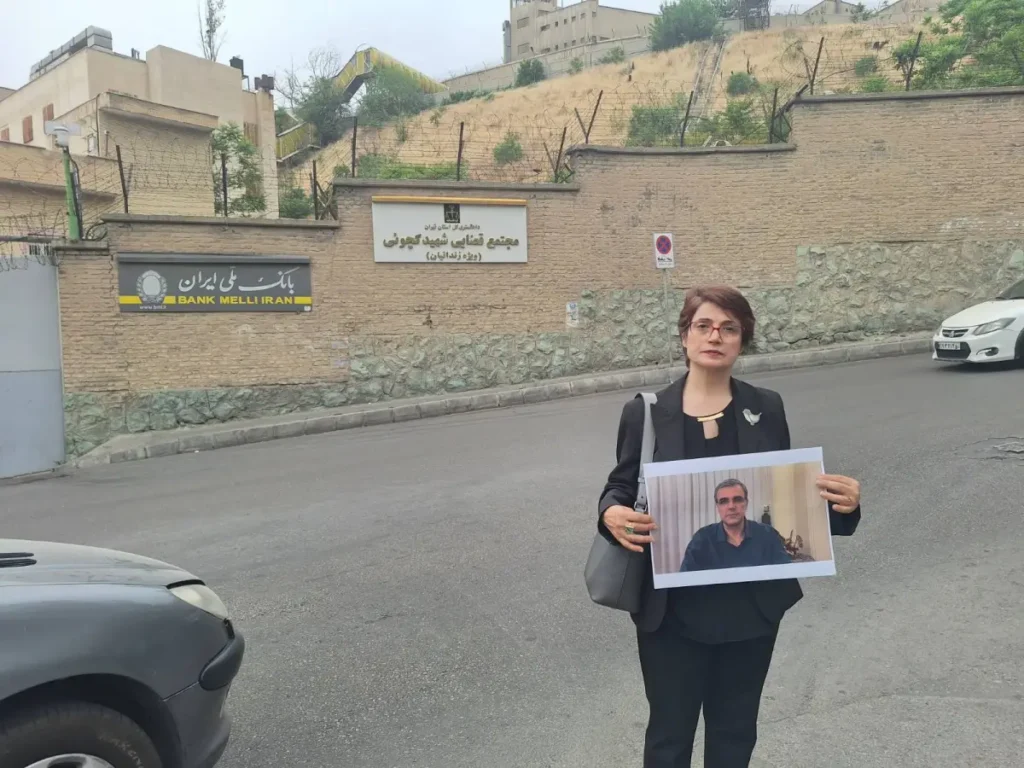
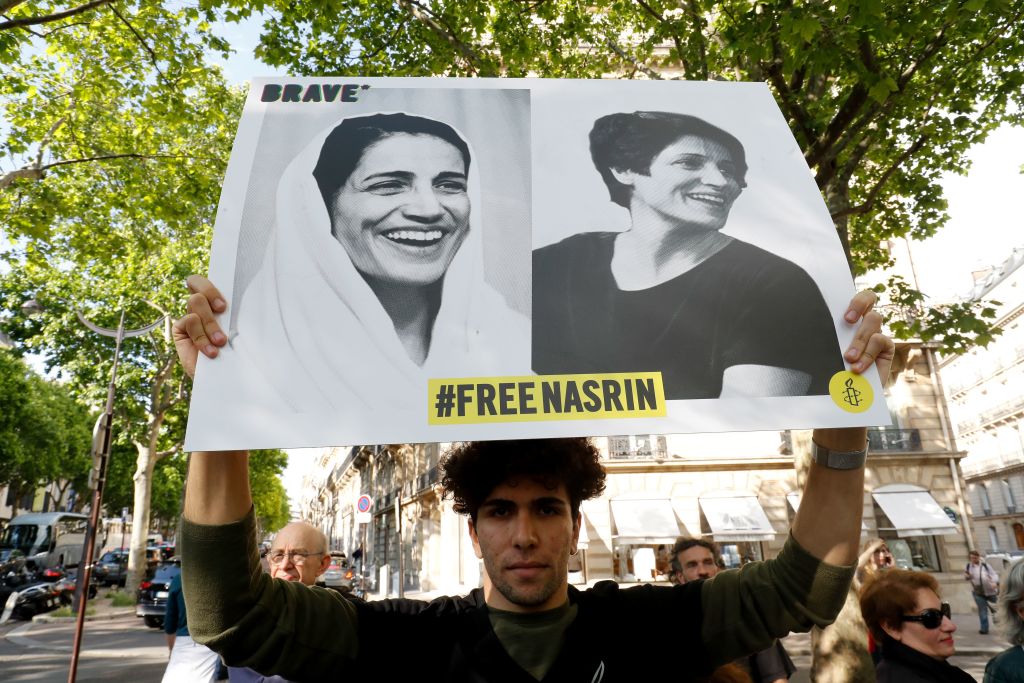
Editor’s note: Nasrin Sotoudeh is an Iranian human rights lawyer and activist who, along with her husband Reza Khandan, has been repeatedly arrested for her women’s rights activism and spent six years in prison. In the wake of Gloria Steinem’s death on Sept. 2, Soutoudeh shared these words with Ms.
I’d like to extend my deep condolences to you and to all our friends at the Feminist Majority Foundation and Ms. magazine. Gloria Steinem’s extraordinary life and activism has touched, elevated and inspired women all over the world. I can attest to her deep influence on me and countless other women’s rights activists here in Iran, including my husband, Reza Khandan.
As women, we know that whether we are in America or India, Europe or Africa, Iran or Afghanistan, our fate and fortune is tied together. The rights that we achieve or lose in one corner of the world have a direct bearing on another. In a very real sense, when it comes to persecution or emancipation, our minds, bodies and spirits are one.

I first became aware of Gloria Steinem over 30 years ago when I studied the women’s rights movement in America while pursuing similar goals for my country. An important part of what made her such a trailblazer was the deep understanding she had of the daily lives of a wide variety of women. She expressed that personal connection in so many ways: writing, speaking, organizing, in the institutions she helped build, and in the clear way she challenged society to be fully inclusive.
I recently watched an interview that Gloria gave to the BBC. She said she loved “laughter and joy,” and I’m sure that gave her strength for all her hard work. She also said, “Each of us is unique, so we shouldn’t try to be like anyone else, but perhaps we can gain support and inspiration from knowing people who came before us.” A good place to start is Gloria Steinem.
Even in a time of war, her grace and grit and vision are like a light to women and men everywhere. She represents what we call “mehr” in Iran, the boundless reservoir of empathy that is the foundation of all all human rights. That is how we shall remember Gloria—as “mehraban,” a guardian of mehr.
*
A note from Ms. editors: We want to hear from you for The Majority, a new campaign collecting stories about how reproductive freedom has enabled readers to build the lives they want and need.

Poll after poll shows a majority of Americans support reproductive healthcare access. Yet public debate overlooks the lives shaped by abortion access, contraception, IVF, miscarriage care, maternal healthcare or comprehensive sex education—countless women who chose to pursue an education, have children, not have children, protect their health and chart their own future. What’s your reproductive freedom story? Add your voice. Together, these stories will help show not only why reproductive freedom remains a majority value, but also what it makes possible.