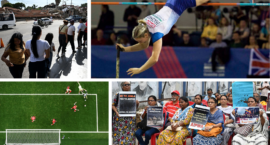
Ms. Global: Protests in India After Murder of Young Girl, World Cup Leads to Increased Domestic Violence in U.K., and More

The U.S. ranks as the 31st most dangerous country for women, 55th in maternal mortality, 43rd in closing the gender pay gap, 85th in women’s political representation, and painfully lacks paid family leave and equal access to healthcare. But Ms. has always understood: Feminist movements around the world hold answers to some of the U.S.’ most intractable problems. Ms. Global is taking note of feminists worldwide.

This week: news from Bangladesh, Colombia, the U.K. and more.

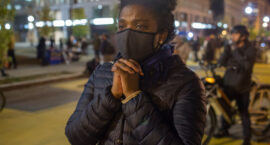
‘Starving to Death’: Young People in Cuba Tell of the Toll of Trump Administration’s Sanctions

No food, no water, no electricity—and, increasingly, little hope for the future. Cuba’s humanitarian crisis has deepened dramatically as the Trump administration escalates a decades-long U.S. sanctions regime that has already strangled the island’s economy and access to basic goods. The embargo was supposedly intended to promote democracy, but after more than 60 years, no regime change has come. Instead, ordinary Cubans are living with blackouts, fuel shortages, collapsing public transportation, scarce medicine and food that cannot even be kept cold.

When I studied at the University of Havana in 2024, blackouts and water shortages were already part of daily life. Now, friends I met there tell me the situation has become almost unrecognizable. Paula and Lupita, two women in their twenties, say electricity may come for only two or three hours a day—sometimes in the middle of the night, forcing people awake to cook, wash clothes and charge their phones. Without electricity, there is often no running water, no refrigeration and no relief from the Caribbean heat. Food spoils, preserved food costs more, and even cooking has become a challenge as gas grows scarce and families turn to charcoal.

Children, pregnant women and families are bearing some of the crisis’s heaviest costs. Schools have closed early or shortened their days, hospitals are operating through blackouts, medicines are increasingly difficult to find, and women are giving birth in darkened, understaffed facilities. Menstrual products that were once subsidized are now largely available only in private stores many women cannot afford. And after dark, entire neighborhoods are pitch black, making already-expensive transportation harder to access and leaving young women feeling less safe simply walking outside.

“We know that we are inside of a dictatorship,” says Paula. “We need help to change the government. It has been 70 years without us being able to actually do something about it, like 70 years of brainwashing, of indoctrination, of exile, emigration. The population that we have left, [is] not strong enough to face the government. If you don’t have the basic needs covered, or at least [enough] power to sleep at night, you wouldn’t have the strength to actually face the government.”

For young Cubans, the crisis has become inseparable from the question of whether there is any future for them on the island. Paula told me that nearly everyone she knows between 20 and 30 is trying to leave. She is painfully clear-eyed about the Cuban government’s repression and failures—but also about the failure of decades of U.S. sanctions to produce the democracy they supposedly seek. Cubans are caught between a government that will not change and a U.S. policy that has not forced it to, while ordinary people are left exhausted, hungry and desperate. After seven decades, it is past time to confront the human cost.


Ms. Global: Genocide in Sudan, Withdrawal of HIV Funding in South Africa, Two Killed in Protests in Afghanistan Over Arrests of Women

The U.S. ranks as the 19th most dangerous country for women, 11th in maternal mortality, 30th in closing the gender pay gap, 75th in women’s political representation, and painfully lacks paid family leave and equal access to healthcare. But Ms. has always understood: Feminist movements around the world hold answers to some of the U.S.’s most intractable problems.

Ms. Global is taking note of feminists worldwide.

This month: news from Sudan, South Africa, Afghanistan and more.

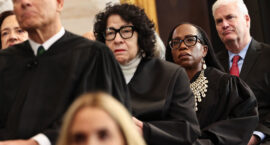
Read the Most Chilling Lines From Justice Sotomayor’s ‘Slaughter’ Dissent on Trump’s Expanding Power: ‘Chaos Will Follow’

On the second-to-last day of its 2025-’26 term, the Supreme Court ruled 6-3 along party lines President Donald Trump can fire Rebecca Slaughter, who served as commissioner of the Federal Trade Commission (FTC) from 2018 until her dismissal in 2025. But the decision reaches far beyond one commissioner: By overturning nearly a century of precedent, the Court held that presidents may remove members of independent multimember agencies that Congress deliberately structured to operate with some distance from partisan politics. 

We read all 49 pages of Sotomayor’s urgent dissent and pulled out the most striking passages, so you don’t have to—though after reading them, you just might want to.

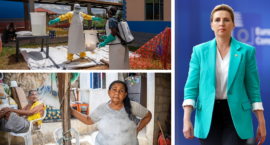
Ms. Global: Women Make Up Two-Thirds of Ebola Cases in DRC, Families Mourn Fishers Killed in Trump’s Boat Strikes and More

The U.S. ranks as the 19th most dangerous country for women, 11th in maternal mortality, 30th in closing the gender pay gap, 75th in women’s political representation, and painfully lacks paid family leave and equal access to healthcare. But Ms. has always understood: Feminist movements around the world hold answers to some of the U.S.’s most intractable problems.

Ms. Global is taking note of feminists worldwide.

This month: news from the Democratic Republic of the Congo, India, Denmark, Mexico and more.

A Catch-22 for Survivors of Domestic Violence: Trump Admin Simultaneously Slashes Housing and VAWA Funds

Federally underfunded programs that support survivors of domestic violence have struggled to provide services for years. Now, the Trump administration’s budget bill threatens to sever the last lifelines many women’s shelters were clinging to: funding for the Violence Against Women Act (VAWA) and the U.S. Department of Housing and Urban Development’s Continuum of Care programs. 

Thanks to callous indifference from Republican lawmakers, obliterating women’s emergency services will leave the blood of women and children across the nation on their hands. In the U.S., domestic violence is typically treated with band-aid solutions rather than infrastructural change that would decrease need for places like shelters—something most lawmakers have never relied on themselves.

Ms. Global: Iraq’s Child Marriage Surge, Hurricane Devastation in Jamaica, Historic EU Abortion Vote and More

The U.S. ranks as the 19th most dangerous country for women, 11th in maternal mortality, 30th in closing the gender pay gap, 75th in women’s political representation, and painfully lacks paid family leave and equal access to health care. But Ms. has always understood: Feminist movements around the world hold answers to some of the U.S.’s most intractable problems. Ms. Global is taking note of feminists worldwide.

This week: News from Iraq, Jamaica, the EU, Cambodia and Thailand, and more.

Ms. Global: 300 Schoolchildren Kidnapped in Nigeria, Italian Parliament Recognizes Femicide and More

The U.S. ranks as the 19th most dangerous country for women, 11th in maternal mortality, 30th in closing the gender pay gap, 75th in women’s political representation, and painfully lacks paid family leave and equal access to health care. But Ms. has always understood: Feminist movements around the world hold answers to some of the U.S.’s most intractable problems. Ms. Global is taking note of feminists worldwide.

This week: News from Nigeria, Afghanistan, Japan and more.