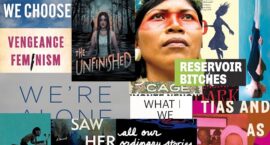
Each month, we provide Ms. readers with a list of new books being published by writers from historically excluded groups.


More Than A Magazine, A Movement

Spotlighting books that tell important feminist stories.
Each month, we provide Ms. readers with a list of new books being published by writers from historically excluded groups.
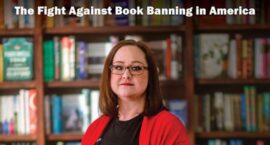
When Louisiana middle school librarian Amanda Jones spoke before the Livingston Parish Public Library board in July 2022, she knew some of her neighbors and friends would disagree with her anti-censorship and anti-book-ban testimony.
Nonetheless, Jones reported that she was blindsided by the well-organized campaign that followed her presentation and was shocked by the barrage of hateful comments that she’s received for more than two years. Among other things, Jones has been called a pedophile, pervert, pornographer and groomer, an experience she details in her newly-released memoir, That Librarian: The Fight Against Book Banning in America .
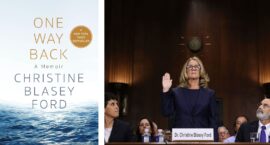
On Sept. 27, 2018, Christine Blasey Ford testified before the U.S. Senate Judiciary Committee that Supreme Court nominee Brett Kavanaugh had sexually assaulted her in 1982. In a beautifully-written and searing new memoir, One Way Back, Blasey Ford recounts her life before, during and after the 1982 sexual assault and her 2018 testimony.
Blasey Ford’s memoir corrects the record, and explains what happened after her testimony.
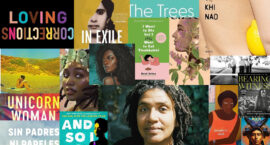
Each month, we provide Ms. readers with a list of new books being published by writers from historically excluded groups.
Here’s this month’s list of 16 releases we’re excited about!

So Witches We Became, a YA horror novel by Jill Baguchinsky, combines the supernatural, a queer romance and suppressed trauma to tell a fast-paced and cathartic feminist story about collective healing and reclaiming power.
Ms. spoke with Baguchinsky about what inspired her to tell a story about witches, friendship and recovery from sexual assault and rape.
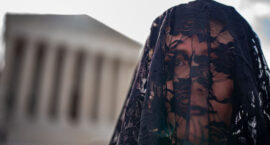
Abortions are sought by a wide range of people for many different reasons. There is no single story. Telling stories of then and now shows how critical abortion has been and continues to be for women and girls. (Share your abortion story by emailing myabortionstory@msmagazine.com.)
Author Anne Shaw Heinrich reflects on her abortion story, motherhood and how it connects to the characters in her book, God Bless the Child.
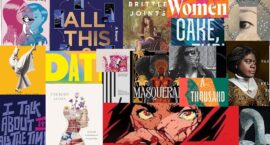
Each month, we provide Ms. readers with a list of new books being published by writers from historically excluded groups.
The 18 books below may just give you some respite, order, distraction or—dare I say—hope.
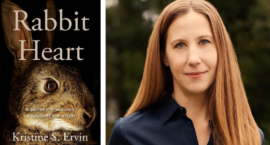
Kristine S. Ervin was 8 when her mother was abducted from a mall parking lot, murdered and abandoned in an Oklahoma oil field. In her debut memoir Rabbit Heart, Ervin resists the true crime trope of exploiting and glorifying femicide and instead delves into the emotional toll her mother’s death took on her and her family. We sat down recently to talk about her book, growing up motherless, how this informed her life’s gender power dynamics and her evolution from being a feminist-skeptic to writing what is undeniably a deeply feminist memoir.
“I see this as a grief memoir, a motherless daughter memoir, a memoir that is meant to show what 25 years of unrelenting, brutal grief looks like when you are the loved one of a victim and you don’t have answers.”

In her new memoir, The Women’s Revolution: How We Changed Your Life, Muriel Fox, one of the co-founders of the National Organization for Women, offers firsthand stories of NOW’s fight to pass and enforce laws prohibiting discrimination in employment, education, housing, credit and more.
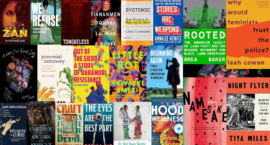
Each month, we provide Ms. readers with a list of new books being published by writers from historically excluded groups.
These 21 books stood out to me for various reasons—ranging from strange and spell-binding fiction, to nurturing and necessary nonfiction.