For acting IRS commissioner Melanie Krause, the choice was clear: “If the public cannot trust that their confidential returns will remain sacrosanct, the foundation of our tax system cracks.”
Profiles in Courage is a series honoring the extraordinary women and men who have transformed American institutions through principled public service. At a time when trust in government is fragile, these stories offer a powerful reminder of what ethical leadership looks like—from those who litigate for civil rights and resign on principle, to those who break military barriers and defend democracy on the front lines.
Throughout the month of May, we’ve spotlighted women in the Department of Justice, federal agencies and the military whose careers have been defined by integrity, resilience and reform. Their quiet heroism—often at personal cost—reaffirms the enduring role of public servants who choose justice over self-interest. Through their stories, Ms. pays tribute to a tradition of service that safeguards democracy and inspires the next generation to lead with courage.
In less than three years at the Internal Revenue Service, Melanie Krause rose from chief data and analytics officer, to chief operating officer, and finally, to acting commissioner—a rapid ascent built on two decades of federal oversight at the Government Accountability Office and the U.S. Department of Veterans Affairs’ Office of Inspector General.
Her mandate was clear: Modernize America’s most criticized agency, safeguard taxpayer data and restore public trust.
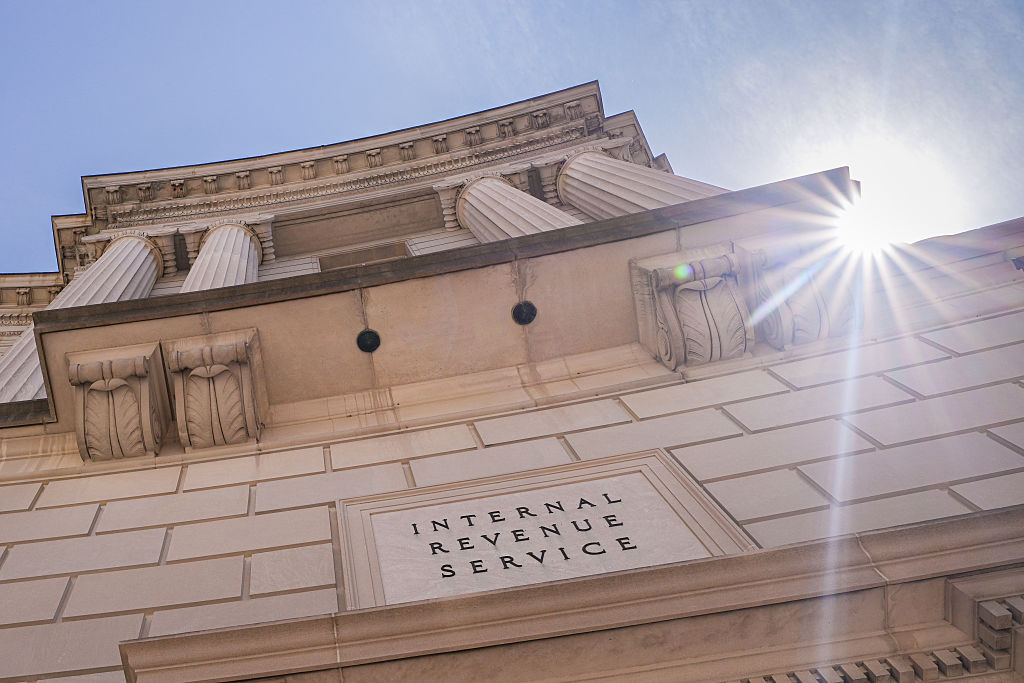
She embraced that charge, until one decision drew a line between professional duty and political pressure.
A Sudden Shift in Mission
Early in 2025, the Trump administration unveiled a plan to share IRS taxpayer data with the Department of Homeland Security to accelerate immigration enforcement. The proposal alarmed career attorneys, who warned it would shatter decades-old privacy statutes central to voluntary tax compliance. Two IRS commissioners resigned rather than sign the agreement, and senior executives followed suit.
Krause inherited the helm of an agency stalled in the crossroads. As acting commissioner, she reviewed an early draft of the memorandum of understanding (MOU) with DHS, which limited data to those persons associated with major criminal cases. However, that’s the last she saw of the document. She was excluded from revisions of the MOU.
The final revised document, signed by Treasury Secretary Scott Bessent, dramatically expanded access far beyond the initial proposal. She only learned of the changes when she saw the news.
Choosing Principle Over Position

On the morning of Tuesday, April 15 (coincidentally Tax Day), Krause convened her leadership team. With quiet resolve, she announced that she would accept a deferred resignation offer rather than lend her name or the agency’s credibility to a policy she believed threatened taxpayer privacy, undermined statutory limits and risked eroding voluntary compliance.
“If the public cannot trust that their confidential returns will remain sacrosanct,” she said, “the foundation of our tax system cracks.”
Her departure marked the third leadership vacancy at the IRS in as many months, an unprecedented exodus in the agency’s modern history. Treasury officials praised her contributions to IT modernization, while privacy scholars and immigrant advocates expressed concerns about the rapidly evolving issues.
Rights advocates characterized her resignation as “an act of integrity.” Critics of the data-sharing deal warned that it could lead to civil and criminal sanctions for the officials involved in facilitating it.
A Record of Reform
Krause’s brief tenure belied her enormous impact. She unified disparate data silos to detect fraud more quickly, established an enterprise risk program, and championed transparency in algorithmic audits. Her leadership on privacy earned praise from both sides of the aisle until the political landscape changed and protecting that principle put her at odds with the administration’s new mandate.
Legacy
Melanie Krause’s stand underscores a timeless truth. Public trust is the IRS’s most valuable and fragile asset. By relinquishing the highest post in civilian revenue administration rather than compromising taxpayer confidentiality, she placed principle above position, echoing a tradition of decades of civil servants safeguarding the rule of law from within.
Her resignation signifies more than a mere personnel change; it serves as a reminder that the integrity of America’s tax system relies on principled leaders willing to defend it, even at significant personal cost.