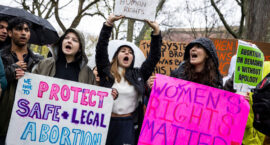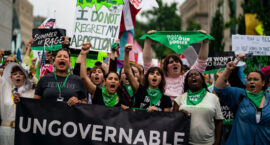
Beyond American Exceptionalism: What the Success of the Green Wave Can Teach U.S. Abortion Activists

While the idea of the U.S. as a bastion of moral superiority has always been a myth—evident, for example, in efforts to shield Jim Crow laws from scrutiny in the founding of the United Nations—the overturning of Roe v. Wade is one of the latest reminders of this fallacy, particularly as it pertains to global health and women’s rights. It is also a cautionary tale for the rest of the world about the fragility of reproductive rights.

As states across the U.S. have banned abortion post-Dobbs, advocates and experts here have been forced to look outside of our borders for assistance, recognizing that other nations have recently mobilized to legalize abortion and have much to teach us, particularly those that have done so by enshrining abortion as a human right.

Learning From the Archives: Louisiana’s Long History of Reproductive Rights, Health and Justice Advocacy

Despite having some of the most restrictive laws and among the worst reproductive health outcomes in the nation, Louisiana has a long history of reproductive rights and justice advocacy that spans religious, racial and cultural lines. A recent archival exhibit hosted by the Newcomb Institute at Tulane University showcased physical and digital archival collections at Tulane, along with personal and organizational records from community partners, documenting a history of activism from the 20th century to today in Louisiana and the broader Gulf South.

By placing items from the historical archives alongside materials from current community organizations, the exhibit offered a reminder of how long Louisianans have fought to expand and defend reproductive rights and justice within the state.

Twenty Thousand Stillbirths a Year, and No Federal Plan to Prevent Them

The U.S. loses over 20,000 babies to stillbirth each year, with many preventable. Across the country, pregnant women say their concerns are dismissed, with devastating consequences for maternal and fetal health. Yet stillbirth remains largely invisible in policy and public discourse, and families are left to deal with these tragic and costly losses with little support.

A new documentary from ProPublica, Before a Breath—based on the outlet’s Pulitzer Prize finalist reporting—follows three mothers who turn their grief from stillbirth into advocacy for safer pregnancies and better outcomes for expecting parents.

Universities Must Train Students to Be Leaders in Reproductive Rights, Health and Justice

Many students capable of being pregnant are adding another factor to their college decision: “Can I access abortion where this university is located, and how is the university supporting their students seeking this care?” 

Colleges and universities have historically been catalysts for social change, nurturing student activism and empowering young leaders to challenge injustice. Engaging students in reproductive justice issues provides a platform for them to exercise their agency and contribute to societal progress. Recent research into the effects of a donor-funded reproductive rights, health and justice internship program at Tulane University’s Newcomb Institute provides insight into one potential way for colleges and universities to show their commitment and make an impact on this landscape.

In Post-Roe Louisiana, Things Go From Bad to Worse for Teens

Abortion is a critical component of reproductive healthcare, and young Louisianans will continue to need it.

As Louisianans, we must ask ourselves: How can our legislators claim teens are not mature enough to learn about how their reproductive bodies work, while presuming they can cope with forced parenthood? Abortion is a critical component of reproductive healthcare, and young Louisianans will continue to need it.