After Texas Tech canceled her campus talk, Dr. Shelley Sella discusses the chilling effect on medical education—and why future doctors must be able to learn about later abortion care.
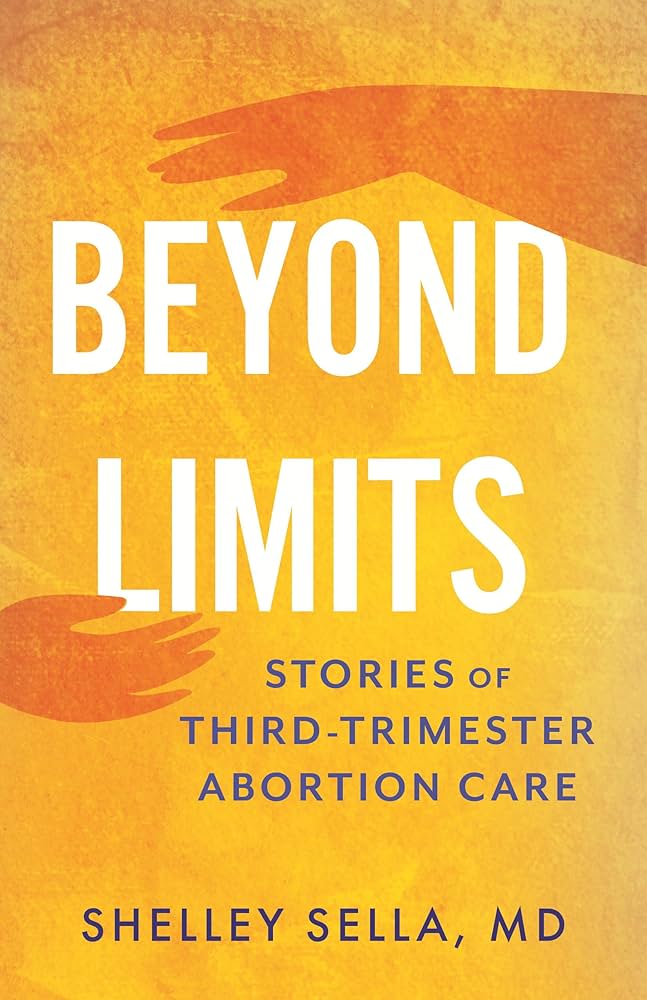
Texas Tech University Health Sciences Center (TTUHSC) cancelled Dr. Shelley Sella’s scheduled campus talk in January about her recent book Beyond Limits: Stories of Third-Trimester Abortion Care, which she had been invited to give by the Texas Tech chapter of Medical Students for Choice (MSFC) in collaboration with MSFC’s Board of Directors. The administration told right-wing outlet Texas Scorecard that it decided hosting her was “not in the best interest of the university.”
The cancellation of Sella’s talk was not “an anomaly,” as Jessica Valenti of Abortion, Every Day (AED) writes, but rather part and parcel of the “antiabortion snitch culture” on college campuses—”part of the broader conservative attack on academia that’s gained steam over the last few years.”
“And it’s not just impacting a few schools or professors,” Valenti continues. “Antiabortion groups are determined to eradicate any iota of pro-choice speech on college campuses. Now is the time for us to make as much noise as possible and not back off one single inch.”
AED hosted Sella’s “illegal” talk (click here to listen) in honor of Abortion Provider Appreciation Day.
Taking seriously Valenti’s call to “make noise” rather than retreat in the face of escalating efforts to suppress pro-abortion speech, Ms. sat down with both Sella and Claire Surkis, a medical student in Connecticut who serves on MSFC’s Board of Directors, to explore the impact and implications of the university’s actions.
(Editor’s note: Research suggests that abortions take place later because of two factors, often working in combination: new information: People learn new information later in their pregnancy that they couldn’t have known before. Examples might include recognizing a pregnancy later, learning about a fetal or maternal health issue, or a disruptive life event like loss of a job or partner; and barriers that delay: Some barrier or obstacle that leads to delays in accessing care. Examples include laws that push care out of reach, logistical obstacles like travel or childcare, or financial barriers like raising money for the procedure.)
Antiabortion Groups Mobilize to Control What Students Can Learn
In fact, abortion is permitted to save the life of the mother, and there may be situations later in pregnancy where to save their life, an abortion would need to be done. So, certainly, it’s important for students to be exposed to this.
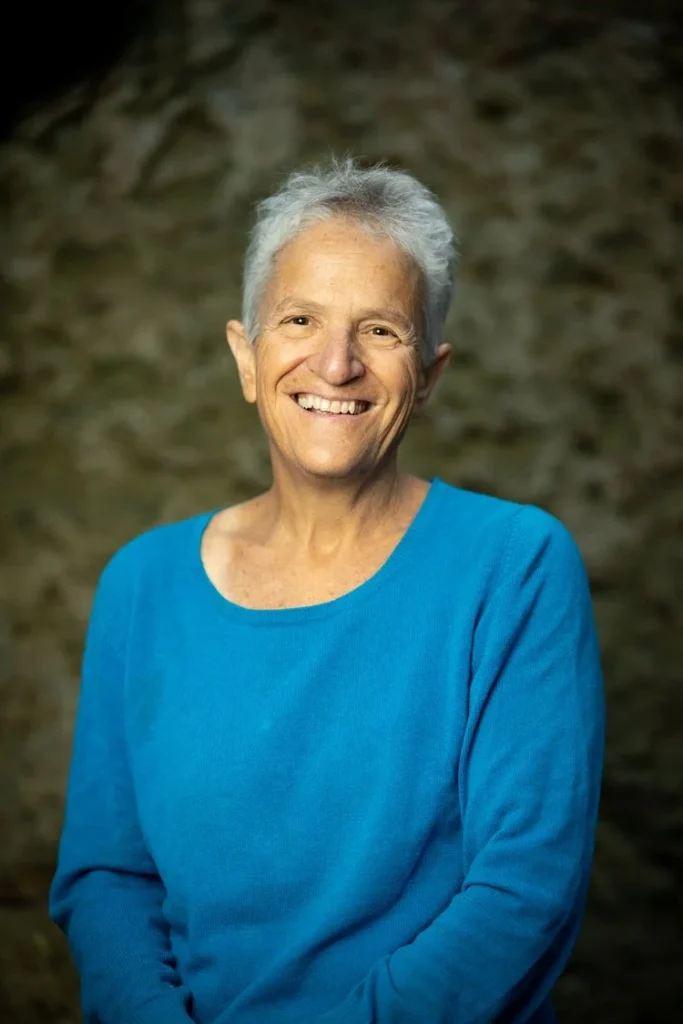
Dr. Shelley Sella
The decision to ban Sella from campus was made after “several days of behind-the scene activism,” as Texas Scorecard boasts, by the Turning Point USA chapter at Texas Tech in conjunction with two antiabortion activists: Mark Lee Dickson and Jim Baxa.

Both men have a large footprint in Lubbock.
Dickson is the director of Right to Life Across Texas and founder of the Sanctuary Cities for the Unborn, which he launched in 2019 to ban “abortion, one city at a time.” Following the Dobbs’ decision, his crusade ramped up to control women’s interstate abortion travel—which he claimed was his way of protecting pregnant women from being trafficked across state lines by a “baby murdering cartel.”
Baxa, a father of five, moved to Texas so he could homeschool his children “without governmental interference.” He is the founder and president of West Texas for Life, a group “committed to abolishing abortion in Texas.”
(Editor’s note: At-home abortions via medication abortion are legal, safe and available in all 50 states. The organization Plan C has a comprehensive guide to finding abortion pills on their website, which is continually updated and has all the latest information on where to find abortion pills from anywhere in the U.S.)
Both men were instrumental in the highly contested and ultimately successful 2021 battle to declare the city of Lubbock, where Texas Tech is located, a sanctuary city for the unborn. According to a Lubbock-based news outlet, the “campaign was characterized by a distinct ‘only in Lubbock’ fervor, where banners screaming ‘Vote for Life’ were hung from church steeples, and pastors framed the ballot box as a spiritual battlefield.”
What Texas Law Allows—and What Doctors Fear
To be sure, Texas has recently taken a small step toward clarifying when abortion can legally be provided in medical emergencies. In response to the 2025 Life of the Mother Act, the Texas Medical Board has now issued a required physician training that outlines several scenarios in which abortion is permitted. But as many experts have noted, no brief training can capture the full complexity of pregnancy complications—or erase the fear created by the state’s harsh criminal penalties.
Even so, abortion remains legal, including in Lubbock, in cases of life-threatening medical emergencies—a narrow and unclearly written standard that, when coupled with those penalties, has left many physicians too scared to exercise their “reasonable medical judgement” about when an abortion can be performed.
As a result, according to the Center for Reproductive Rights, “many pregnant patients in Texas have experienced severe physical harm and mental anguish” and, as reported by ProPublica, there has also been a rise in maternal deaths. The Life of the Mother Act was intended to clarify—but not expand—this extremely narrow exception. It remains to be seen what difference, if any, it will make in practice.
This legal reality—which cries out for the kind of compassionate, patient-centered medical education Dr. Sella would have offered—was apparently lost on Dickson. According to a social media post, he proclaimed that inviting Sella to campus should be “as jarring to us as the idea of hosting an individual on campus who is actively promoting the raping of women, or the making of methamphetamines for recreational use”—activities that are clearly never legal.
Echoing this refrain, Preston Parsons, president of the Texas Tech chapter of Turning Point, put it to Inside Higher Ed, “this isn’t suppression of free speech. … She would be speaking on government property, speaking on illegal activity.”
Flipping the generative narrative of illegality behind Texas Tech’s disinvitation, Sella made clear during the course of our conversation, how important coverage of abortion care is in medical education, including in ban states.
“In fact, abortion is permitted to save the life of the mother, and there may be situations later in pregnancy where to save their life, an abortion would need to be done. So, certainly, it’s important for students to be exposed to this,” says Sella. “And it’s not just about abortion, because it’s also someone may be miscarrying. It’s the same procedure … to save their life, to preserve their health, and so [medical students] need to be exposed … to hear about it.”
Sella stressed the importance of medical students having a “place where they can talk about [abortion], where it’s not stigmatized, it’s not shunned. That’s the value of education: to expose people to ideas.”
She told Ms. how “gratifying” the student engagement has been during her medical school talks: “They’re so interested … it’s just wonderful to be able to have conversations with them about these issues.”
Sella elaborated on the reception she receives when speaking at medical schools in abortion ban states.
“I think that in in all the places I’ve been to, the students are engaged, interested and appreciative. But I have sensed a difference in the banned states. It’s this kind of an extra level of appreciation that people are paying attention to us—that even though it’s not available, people are still coming to talk to us about it, and care about us.”
Claire Surkis, a medical student in Connecticut who serves on the MSFC’s Board of Directors, which has helped to arrange Sella’s book talks on medical campuses, including at Texas Tech, told Ms., “One of the things that I’m most proud of this organization for” is giving medical students the opportunity to “hear and learn from” Sella’s lived experience of being a third-trimester abortion provider, including “someone like myself, who’s been deeply involved in abortion care and advocacy for six years.
“Third-trimester care does not get air time in the movement in the same way that other things do, and Dr. Sella’s story is not only incredibly personal and moving, but it’s also very educational … Not a lot of people get to hear about what it’s like caring for patients in this situation.”
Surkis also uplifted why having the opportunity to learn from Sella was particularly important for medical students in abortion ban states.
“Of course, there’s going to be a patient who may present to one of the Texas Tech students in the future who needs this care, and maybe they’ll be able to take care of themselves, or maybe, if they had had this talk, they would have had the benefit of the knowledge of knowing what this patient really needs and where to send them and what to do about it,” says Surkis.
Given this complex reality, Surkis says she found it “shocking” and “entirely inappropriate” to “deprive [Texas Tech] students … who are already dealing with enormous barriers to their education in medicine … and working so hard to try to get the education that they know they need” of the opportunity to hear Sella speak on campus.
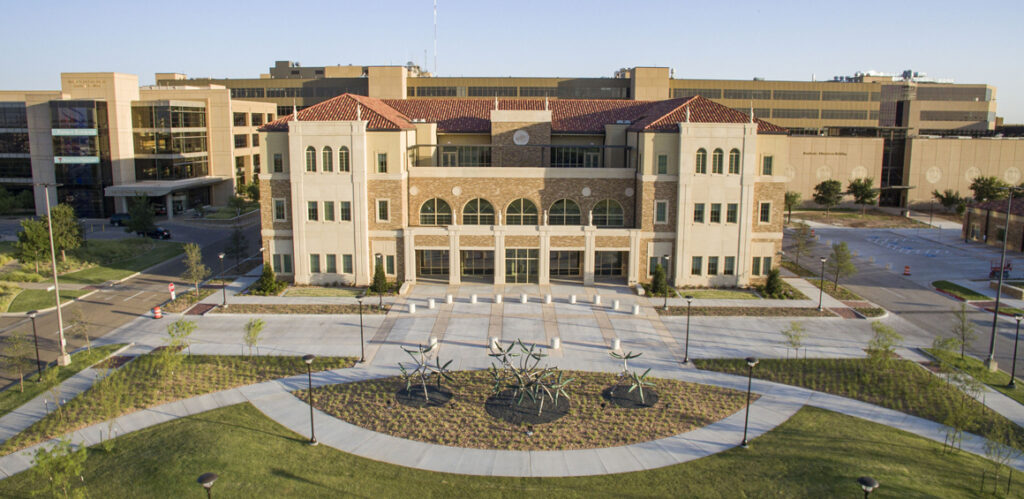
Sella said the disinvitation sends a speech chilling message to Texas Tech medical students, and others in abortion-hostile states or medical schools, that speaking out about abortion care could potentially derail their future careers as physicians.
“Medical students are vulnerable because … they need to get to residencies. To get to residencies, they need letters of recommendation, and if they don’t get good letters, they don’t get the residencies that they want. So they are careful,” says Sella. “It’s competitive, especially some fields. A lot of them want to go into OB-GYN. It’s very competitive.”
Capturing the double-bind, Sella offered the example of a student in a medical school with an antiabortion dean, who wants “to invite someone who’s talking about third-trimester abortion. … They tell you, no, you can’t have that person speak. What are you going to do? … It’s a big way to silence them.”
The ripple effects are likely to be strongest when the ban is loudly and publicly cheered by its proponents. As Parsons boasted to the Texas Scorecard, “Texas Tech has upheld truth and stands for what’s right … I would like to thank all of those who have fought, and will continue to fight, with us to protect the sacred lives of the unborn.”
“A Culture of Fear”: Students Describe the Cost of Silence in Medical Training
Despite the danger—to ourselves and our careers—we are sending up a flare gun for higher education across the Lone Star State.
Anonymous students, Texas Tech University Health Sciences Center
A recent Autonomy News article underscores the silencing effect of Texas Tech’s ban on Sella’s book talk. Written by a “collective of MSFC student leaders enrolled in medical schools across the state of Texas,” the piece was published anonymously due to their “fear of retribution from the same cowardly university leaders who recently gave in to TPUSA’s pressure campaign.”
Elaborating on the abortion-hostile learning environment, the students write:
“What we’ve experienced in modern-day medical training goes far beyond passive inadequacies. Our classroom culture has given us a front-row seat to the impact political intimidation has on our faculty and physician mentors. Abortion is a core part of healthcare, and it can be life-saving. But abortion education is treated like a liability.”
Avowing they will not acquiesce to a “culture of fear [that] is costing [them] a comprehensive medical education,” including speakers such as Sella, they write, “Despite the danger—to ourselves and our careers—we are sending up a flare gun for higher education across the Lone Star State. The public’s health and safety are on the line. We will not sit idly by.”
Towards the end of our conversation, I asked Sella if she saw a connection between Texas Tech’s decision to ban her from campus and its restrictions on classroom discussions about transgender and nonbinary identities which, as reported by The Texas Tribune, has also sparked fear of retribution among the faculty.
Sella’s pointed response: “It’s all the same thing. … It’s so ironic that it’s ridiculous … I thought Turning Point USA was all about free speech, but it’s very selective free speech. It’s for the free speech for the people that we agree with.”
Look to these trusted groups if you or a loved one needs to know more about reliable abortion care:
- A one-stop-shop for abortion seekers: I Need An A
- Other websites to explore all your options for abortion care: Plan C Pills, Abortion Finder
- Safe websites to buy abortion medication: Aid Access, Massachusetts Medication Abortion Access Project, Hey Jane
- If you need help affording abortion care, tell your telemedicine provider or contact an abortion fund near you.
- To protect your digital privacy when planning your abortion, click here.
- For free legal help as a patient or doctor, call If/When/How’s Repro Helpline—844-868-2812—or contact Pregnancy Justice.
- For medical advice, contact the Miscarriage & Abortion Hotline: 833-246-2632.
- If you need to know the abortion law in your state, look to the Center for Reproductive Rights. or Guttmacher Institute.
Ms. Classroom wants to hear from educators and students being impacted by legislation attacking public education, higher education, gender, race and sexuality studies, activism and social justice in education, and diversity, equity and inclusion programs. Cue: a new series from Ms., ‘Banned! Voices from the Classroom.’ Submit pitches and/or op-eds and reflections (between 500-800 words) to Ms. contributing editor Aviva Dove-Viebahn at adove-viebahn@msmagazine.com. Posts will be accepted on a rolling basis.