Mary Beth Barone’s Galaxy Brain exposes mainstream comedy’s persistent misogyny … but feminist comedians have always created stages, traditions and audiences beyond the industry’s narrow field of vision.

“I’ve prepared a lot. I’m taking this very seriously, because it’s still very rare for women to get Netflix specials. I had to have sex with so many executives over there.”
So begins comedian Mary Beth Barone’s new Netflix special, Galaxy Brain, with a joke about just how exceptional a woman apparently has to be to reach one of comedy’s biggest platforms.
In a July 31 New York Times article, “Feminist Stand-Up Was Once Ascendant. Can Mary Beth Barone Revive It?” comedy critic Jason Zinoman paints a picture of a stand-up scene that’s left women behind: one dominated by deliberately confrontational, anti-“politically correct” comedy and Netflix Top 10 lists littered with right-wing darlings like Tony Hinchcliffe and Andrew Schulz.
Barone’s joke points to a real disparity in who receives the industry’s most visible opportunities. According to Zinoman, women account for only a quarter of Netflix’s stand-up specials in 2026. And among 2025’s 10 highest-grossing comedy tours, Nikki Glaser’s Alive and Unwell was the only one headlined by a woman.
But asking whether Barone can “revive” feminist stand-up mistakes limited mainstream visibility for an absence of feminist comedy. Women—particularly Black women, queer women and other performers pushed outside the industry’s center—have helped shape stand-up from its beginnings.
The question is not whether one exceptionally talented comedian can save the form. It’s why Netflix and other gatekeepers continue to present such a narrow picture of who is already creating it.
Lauren LoGiudice is a queer New York City-based comic and host of the Misfit Variety Show, a comedy show for “weirdos, rebels and the misunderstood.”
After performing stand-up for seven years, she admits that she, too, noticed a shift in stand-up culture in the past few years.
“Donald [Trump] comes in and now they’re like, ‘Oh yeah, I’m just gonna say what I want,”” says LoGiudice.
“They also get a misunderstanding of online clips that go viral that are misogynistic, and that’s just coupled with meanness. Even when you take politics out of the way, it’s just people thinking being mean to people is a method of getting laughs that is attractive to crowds. … Now everyone’s gotta have a trans joke. We gotta shit on people who are already being shit on hard right now. Open homophobia … is back. It’s so disgusting and sickening.”
That sense of regression extends beyond streaming platforms. Women and queer comedians describe traditional clubs and open mics as environments where harassment, rape jokes, transphobia and casual misogyny remain routine.
Zinoman’s article reduces the issue facing women in stand-up to be streaming platforms not paying enough attention to it. In reality, too many barriers prevent many women from entering or staying in mainstream stand-up at all. However, feminist stand-up continues to thrive in alternative spaces. Still, no (albeit immensely talented) mainstream female comedian can save us all.
Stand-up has long presented challenges for women comics—not only from male comedians, promoters and club owners, but also through working conditions that expose performers to harassment and make touring especially difficult for people with caregiving responsibilities.
Historian and archivist Mariana Brandman of Smith College described what that looked like during the stand-up boom of the 1980s and ’90s: “The comedy club for comics is a workspace, but it’s a workspace where you’re talking about being out late at night, and there’s a lot of alcohol around. Comics who are touring are driving long distances, they’re often staying in comedy condos [apartments owned or rented by the comedy club] and sometimes you’d have comics staying together. … Even when female comics were put on the bill, they were still facing unique challenges.”

Hacks dramatized one of those less visible barriers in the season-two episode “Retired.” Deborah Vance (played by Jean Smart) encounters a gifted contemporary (played by Harriet Sansom Harris) who left comedy before finding mainstream success because she could not see a sustainable way to combine life on the road with the caregiving responsibilities assumed to be hers.
Although comedy condos are less central to the industry than they were during the club boom, and social media has given performers new ways to build audiences without constant touring, the underlying avenues of exclusion have not disappeared. A 2020 article in The Guardian detailed a pervasive and persistent culture and documented widespread allegations of sexual harassment, coercion and assault across the comedy industry for women starting out.
LoGiudice described a culture of harassment at open mics—the very spaces where emerging comedians are expected to test material and develop their craft. When LoGiudice was just beginning their comedy career, a friend warned them that open mics could be “a nightmare” for women and people of color.
LoGiudice went anyway, but the experience damaged their confidence. “I started to lose faith in myself. I didn’t think I was funny.”
And while things have changed as she’s become more established in her career and made the choice to “surround [themselves] with different people,” she still describes going to an occasional open mic and “dissociating. … All women and queer comedians, we learn to dissociate so well. As soon as we hear the dick jokes and the rape jokes and all that, I just learn to look and not pay attention. I do anything else to not take in the misogyny that’s coming from the stage.”
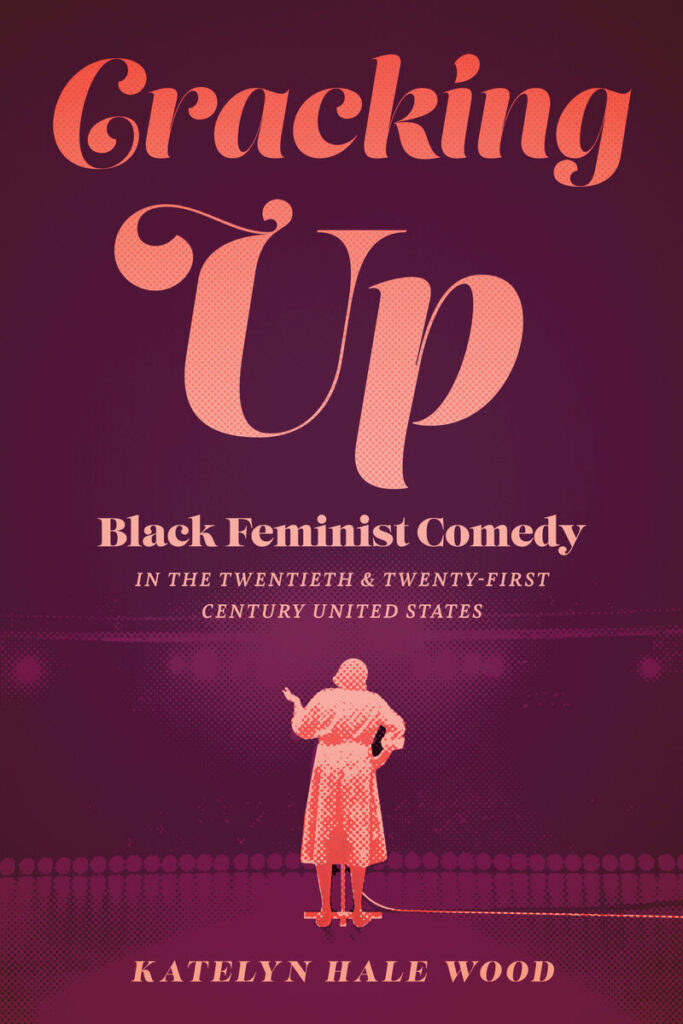
Katelyn Hale Wood, a University of Virginia professor and author of Cracking Up: Black Feminist Comedy in the Twentieth and Twenty-First Century United States, draws an important distinction between exclusion from the industry’s most powerful platforms and absence from the art form itself.
“There’s a myth [created by that lack of visibility] that there aren’t women stand-up comics or that women aren’t funny,” Wood said. But women—and Black women in particular—“really shaped the form of stand-up comedy. … High-profile visibility doesn’t always mean it’s representative of how the art form came to be.”
Feminist comedians have not simply waited for traditional clubs to become more welcoming. They have repeatedly built spaces, audiences and comic traditions of their own.
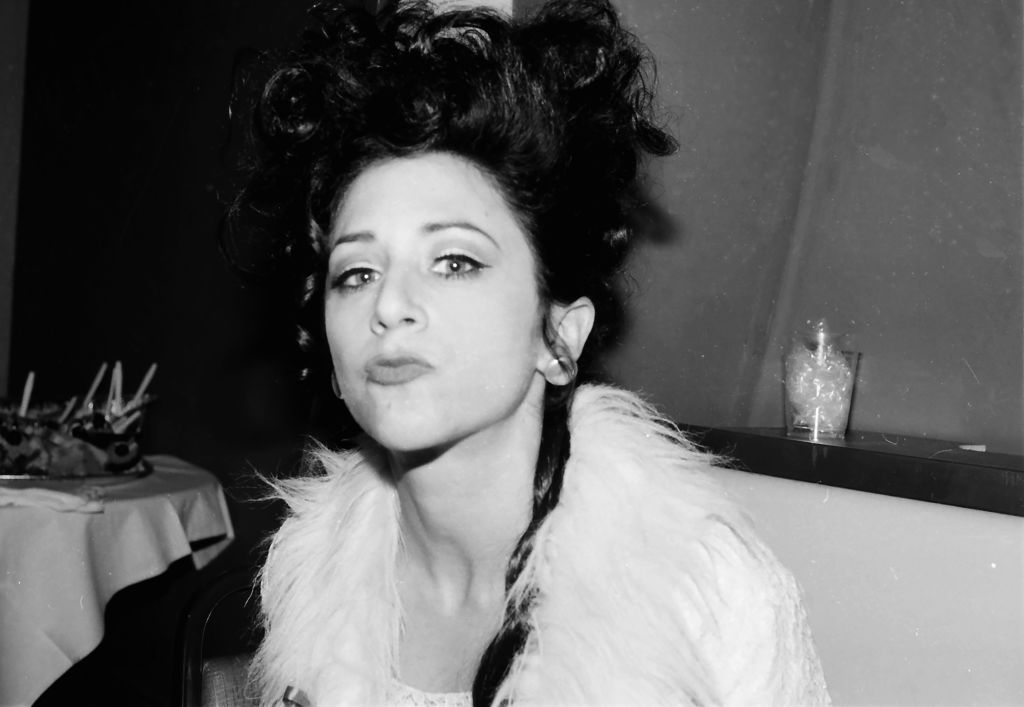

Brandman points to the UnCabaret, pioneered by Beth Lapides in the 1990s as an alternative to mainstream comedy clubs, as an example of one of these spaces. UnCabaret’s first show was staged at the feminist Women’s Building in Los Angeles and is widely regarded as a birthplace of the American alternative-comedy movement. The show emerged from a desire to create comedy that feminists themselves could enjoy. Performers soon expanded into laundromats, coffeehouses and other unconventional venues—partly, Brandman said, because traditional clubs offered a “sexist, racist, homophobic atmosphere.”
“I’m creating my own world and my own ecosystem of comedy,” LoGiudice said. “I recognize that the industry can give you a leg up, but I’m not waiting for it. I’m planning for myself.”
The question, then, should not be whether one comedian can revive feminist stand-up, but why mainstream culture repeatedly appoints one woman to represent and redeem an entire art form.
Mainstream culture has imposed similar expectations on the very women Zinoman mentions in the article: Lena Dunham, Amy Schumer and Hannah Gadsby, treating each as a singular representative of women’s, genderqueer and/or feminist comedy.
When each attracted criticism, receded from the center of the cultural conversation or proved unable to represent the full diversity of women’s experiences, the industry moved on in search of its next singular spokeswoman.
Looking to a single person to revive feminist stand-up inevitably excludes a wealth of experience and perspective necessary to make the craft truly feminist: Black women, other women of color, queer and trans performers, disabled comedians and comedians from working class backgrounds, etc.
Instead of asking whether one comedian can revive feminist stand-up, we should ask which performers and traditions disappear when Netflix’s algorithms become our measure of the art form—and what it would take to make comedy’s most influential stages reflect the breadth of talent already working beyond them.
There is no single cure for the entertainment industry’s misogyny. But feminist comedians have long created their own stages when established institutions failed them.
LoGiudice develops material in spaces for women and queer performers and is building what they call their own “ecosystem of comedy.” Audiences can help sustain those ecosystems by looking beyond the biggest streaming platforms, supporting independent venues and seeking out comedians whom the industry’s gatekeepers overlook.
That matters not only for comedy but for feminism.
“If you make [marginalized groups] one-dimensional, they become easier to dismiss,” Wood said. Comedy, by contrast, can give people “access to their own humanity or the humanity of other people.”
Feminist stand-up does not need one woman to save it. It needs an industry, and an audience, willing to recognize how expansive it already is.