Who Gets Hurt When Congress Cuts Healthcare and Food Aid? Everyone But the Rich.

House Republicans just passed a “big, beautiful” budget bill that would devastate basic needs programs for the most vulnerable Americans in order to pay for tax breaks for the rich. It now heads to the Senate, where Republicans aim to pass a final version by July 4.

Who gets hurt when Congress cuts healthcare and food aid?

Children with disabilities who lose access to therapy. Seniors who can no longer afford their medications. Single mothers choosing between rent and food. Adults with disabilities forced from their homes into institutions. Rural families left without doctors or groceries. Over 10 million people who could lose Medicaid. More than 42 million who rely on SNAP. And every American who believes that basic dignity shouldn’t depend on your ZIP code, income or party in power.

I’m a Single Mom Raising Three Kids. A Year of Guaranteed Income Gave Us Breathing Room.

Front & Center began as first-person accounts of Black mothers in Jackson, Miss., receiving a guaranteed income. Now in its fourth year, the series is expanding to explore broader systemic issues affecting Black women in poverty, including the safety net, healthcare, caregiving and overall well-being.

“My name is Jasmine, and I’m 33 years old. I’m a mother of three—there’s Nehemiah, my oldest, who is 13. Then there’s my daughter, Harmoni, who is 9, and my youngest, Joshun, is 8 years old. …

“Finding reliable childcare has always been a struggle. There were times when I couldn’t get a job because I couldn’t find childcare or the process of securing a childcare voucher took too long. … My mom isn’t able to help due to being ill, and I don’t hear from my dad much. So, I don’t have a lot of people I can rely on.”

People with Albinism Face a Double Threat: Climate Change and Discrimination

The impact of climate change exacerbates health risks and discrimination for people with albinism, particularly women, who face unique challenges in healthcare and education.

“This larger fight is really a global fight and continental fight against the dominance of ableism,” said Sarah Bosha, lawyer and co-author of a new study, “The Forgotten Ones: The Impact of Climate Change on the Health and Well-being of Persons with Albinism.”

What We’re Up Against: The Challenge of Fighting for Women’s Rights in 2025

As we enter 2025 at what seems to be a heyday of impunity for human rights abuses worldwide, autocratic leaders worldwide are taking note. In countries rich and poor, these leaders are flexing their muscles by curtailing our rights—to speak our minds, control our bodies, vote our consciences and have access to fundamental things as safe shelter, clean water and affordable nutrition, education and healthcare.

At WomenStrong International, our partners across the globe are seeing this ramp-up of restrictions up close.

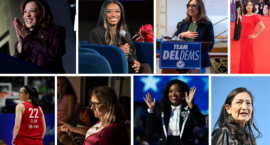
Ms. Magazine’s Top Feminists of 2024

From top athletes, to community activists, to badass lawmakers, here are our 25 picks for the top U.S. feminists of 2024, and two of the best things they did or said.

Featuring: Kamala Harris, the 27 women who sued the state of Texas for its abortion ban in Zurawski v. Texas, Sarah McBride, abortion providers and funders, Black women voters, Jasmine Crockett, South Carolina’s “Sister Senators” and more.

Close the Gender Giving Gap: Women Need More Charitable Support in Wake of the Election

Despite widespread recognition of gender-based violence, U.S. voters elected a president who a jury held accountable for sexual abuse and who openly disparages women—at once sending a chilling message to survivors and emboldening their abusers. Just days after the election, we heard from a survivor who reported that her boyfriend told her he could do […]

How Care Became a Key Issue This Election

In response to voters’ needs and demands, the issue of care has been receiving outsized attention during this year’s election season. 

“If there’s no one to work because there’s no one to care, then we have a problem,” said Ai-jen Poo, founder of Caring Across Generations.

“If the lack of affordable and accessible childcare is what’s holding women back from reaching their economic potential, then we should make childcare affordable and accessible,” said Reshma Saujani, founder of Moms First. “As we head into the final weeks of the election, one thing is clear: The conversation has shifted. Childcare has finally been elevated into the national conversation.”

Building Families Is Under Attack

Mainstream conversations about becoming pregnant, giving birth and creating a family are full of ableist ideals about what everything should look like.

What if, instead of shaming mothers for needing support, we embraced the ups and downs of each birth and fertility story for what it is: a unique and personal story?   

In the U.S., Marriage Functions More Like a Privilege—Not an Equal Basic Right

An excerpt from Allison Raskin’s new book, I Do (I Think): Conversations About Marriage.

“This elevation of marriage is a problem for multiple reasons, because as we know well by this point in the chapter, not everyone has the same level of access to it—legally or financially. The fight for true marriage equality didn’t end with the federal legalization of same-sex marriage, and it is impossible to ignore the classist, ableist and patriarchal forces at play when it comes to who can get married easily and what those marriages end up looking like. “

Explainer on Proposal 1, the New York Equal Rights Amendment on the Ballot

A New York ballot measure to create constitutional protections for abortion and create explicit protections for people who experience discrimination, passed overwhelmingly on Tuesday.

How will the New York ERA change the state Constitution? How can the New York ERA address structural and systemic discrimination? Will the New York ERA protect reproductive rights? Will the New York ERA undermine or weaken parental rights?