‘Artists 4 ERA’ Demand Equal Rights for All Americans: ‘It Is Overdue That Gender Equality Becomes the Law of the Land’

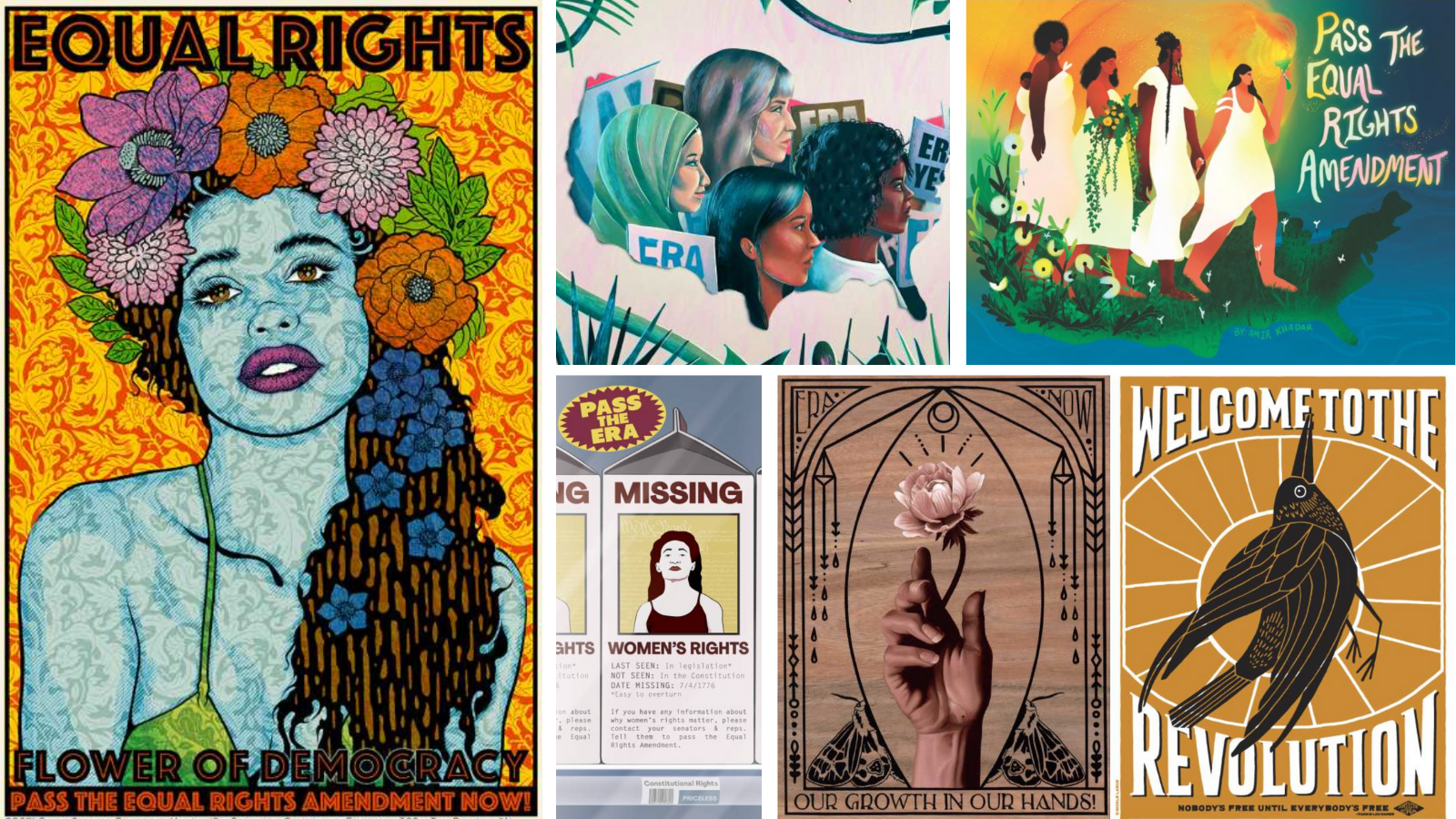
On International Women’s Day, VoteEquality launched the Artists 4 ERA initiative. In partnership with 28 prominent artists, including Shepard Fairey, Artists 4 ERA will be releasing limited edition, signed prints to benefit non-partisan, grassroots efforts for the Equal Rights Amendment. The full collection of artwork will make its debut at the launch event March 19 in Oakland, Calif. From there, the collection will tour the country at events organized by VoteEquality, partner organizations and artists advocating for gender equality.

“As gender rights are rolled back across the country and as the Supreme Court signals its willingness to forgo precedent, a new generation of activists is stepping up to the fight,” said Kati Hornung, executive director of VoteEquality. “Art as a form of expression has a unique way of motivating people.”
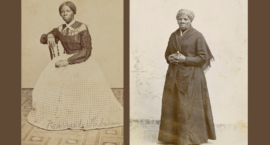
The Two Harriets

The iconic figure of Harriet Tubman supersedes the factual details of her life: There is the real Harriet Tubman and there is how she is remembered, which looms larger. In most of the surviving photographs of Tubman, we see her as a stoic freedom fighter and abolitionist. However, in 2017, a recently discovered photograph of her was auctioned at Swann Galleries, and it shows us a new side of Tubman: a younger, more feminine Tubman, dressed on trend for the 1860s. Perhaps this photo represents a more hopeful Harriet Tubman forging a life post-emancipation.  

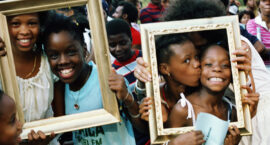
‘Picturing Black Girlhood’: A Praise Song for Black Girls

Never before have Black girls been so visible—the thought kept occuring to me as I explored the wonder that is “Picturing Black Girlhood: Moments of Possibility,” to date the largest exhibition on Black girls in the world. The expansive showcase of emerging and established photographers and filmmakers takes us on a journey into Black girls’ interior lives that simultaneously imagines a more capacious worlds for them.

The exhibition curated by photographers Scheherazade Tillet and Zoraida Lopez-Diago highlights the history of Black women photographers while also re-imagining this world for Black girls.

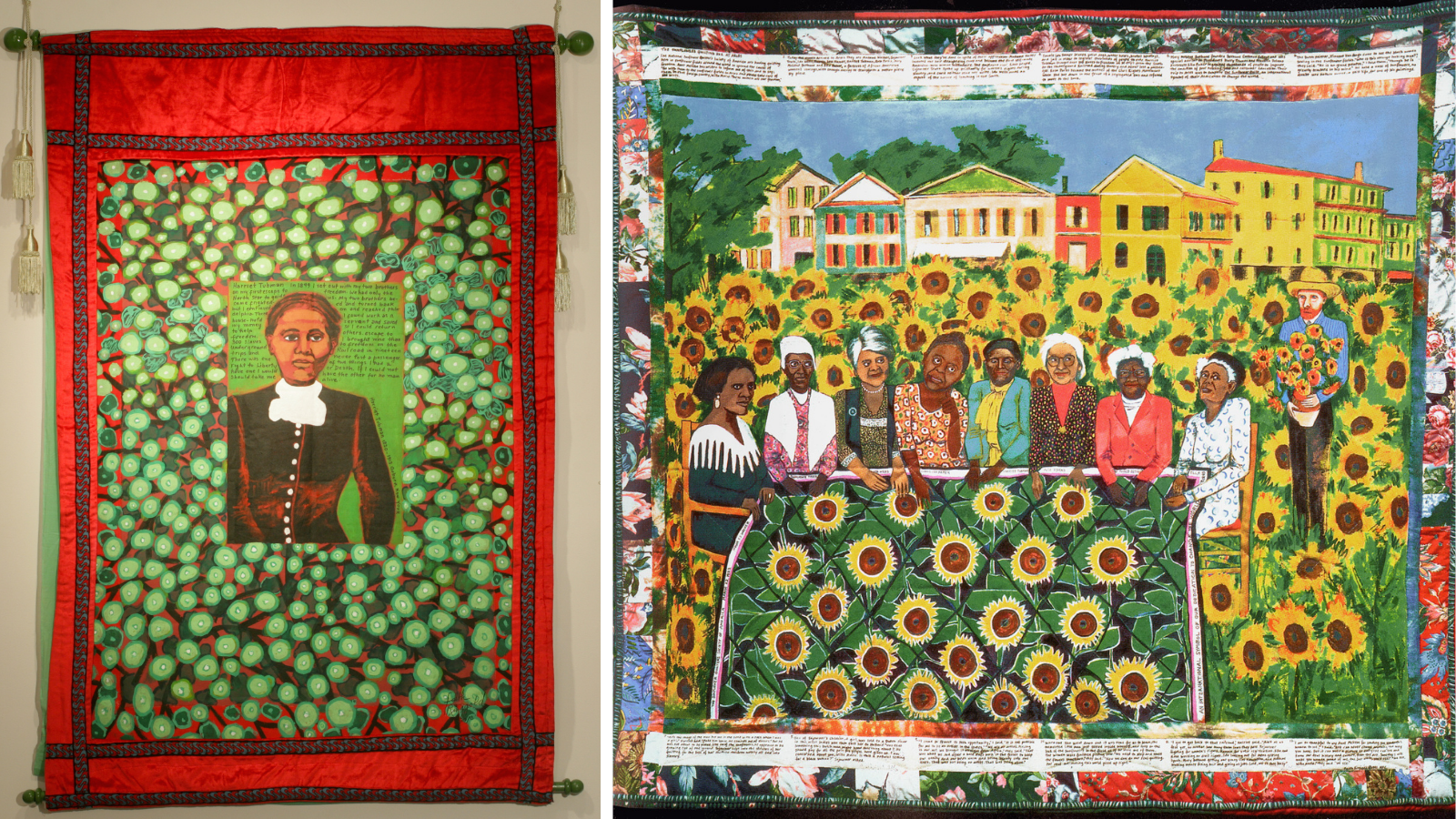
Harriet Tubman in the Art of Faith Ringgold

Faith Ringgold’s art on Harriet Tubman is an illustration of her capacity as an artist for taking somber stories and turning them into stories of triumph, victory and joy. 

Faith (my mother) is a fabulist whose real interest is in projecting her ideas into the future. The older I get, the more I appreciate my mother’s art, in particular her insistence upon rendering the most apparently despairing circumstances of our histories as Black folk as opportunities for spiritual and magical transcendence.

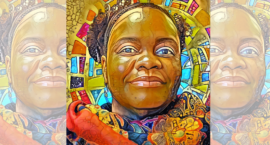
A Conversation with Artist Nettrice Gaskins, ‘Beacon of Hope’ Creator

Nettrice Gaskins is a digital artist and self-identified Afrofuturist whose work has been receiving national attention. A 2021 Ford global fellow, Gaskins’s work is featured in the current “FUTURES” exhibit at the Smithsonian.

Ms.’s Janell Hobson, who invited Gaskins to create original art for the Harriet Tubman Bicentennial Project, interviewed the artist over Zoom.  

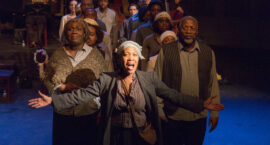
A Conversation with Music Composer Nkeiru Okoye of ‘Harriet Tubman’ Opera Fame

A Conversation with Music Composer Nkeiru Okoye of "Harriet Tubman" Opera Fame

Dr. Nkeiru Okoye, whose first name means “the future is great,” has already dazzled the world as an internationally recognized music composer of opera, symphonic, choral, chamber, solo piano and vocal works. A 2021 Guggenheim fellow, Okoye is best known for her opera Harriet Tubman: When I Crossed that Line to Freedom, which premiered with The American Opera Project in 2014.

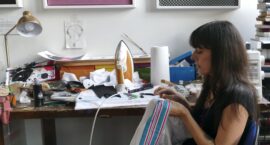
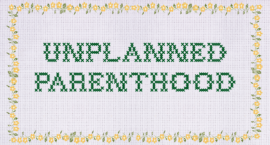
UNPLANNED PARENTHOOD: Inside the Art Installation Using Historical Testimony to Call for a Feminist Future

On Wednesday, feminist artist Michelle Hartney launched UNPLANNED PARENTHOOD—a collaborative, textile-based piece exploring historical attacks on reproductive health access and calling for intersectional reproductive justice.

“I want to tell the stories of the women who suffered because of laws that once prohibited so many from accessing information and care, and reckon with the fact that the attacks we’re seeing now on reproductive care hurt women at the intersections the most.”