Before the Stopping Starts

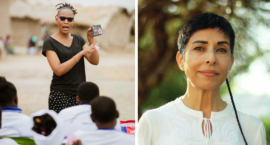
As I got older, I began to understand that things will get weirder and weirder before your period stops—something every woman should know before the stopping starts.

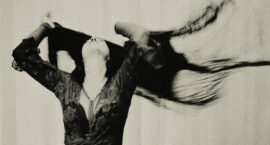
Then something else will happen. You will begin to notice a large chunk of the world, nearly invisible until now: an army of cool, older women, the ones who have emerged on the other side and flourished. In their eyes you will catch a glimpse of the person you want to become. You will do away with pretense then, giving up whatever is keeping you from beginning to live the rest of your life. And this is where the flamenco dancing might come in.

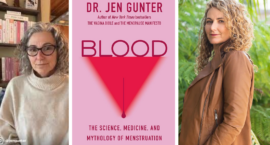
The Ms. Q&A: Dr. Jen Gunter on Combatting Misinformation and Democratizing Knowledge on Women’s Health

Dr. Jen Gunter’s third book, BLOOD: The Science, Medicine, and Mythology of Menstruation, is an accessible look at the multiple ways that the patriarchal control of medicine has allowed misinformation about reproduction, sexuality and anatomy to flourish.

Ms. sat down with Gunter to discuss the book and how she hopes to “democratize knowledge and make a difference in people’s lives.”

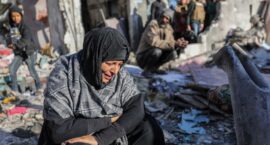
Experts Concerned for Plight of Women and Children Civilians in Gaza

In a 15-2 ruling, the International Court of Justice (ICJ)—which is the U.N.’s high court—ordered Israel to do more to help civilians and to prevent acts of genocide against Palestinians in Gaza. The ICJ also ordered the immediate release of hostages taken by Hamas militants during the invasion of Israeli territory on Oct. 7.

U.N. Women recently released a report documenting the gendered impact of the crisis in Gaza. During the 100-plus days since the Oct. 7 attack, “women and girls make up the majority of those killed, wounded and displaced,” said U.N. Women executive director Sima Bahous. “Some 1 million women and girls are displaced in Gaza, two mothers killed every hour, while around 10,000 children have lost their fathers. … These are people, not numbers, and we are failing them. That failure, and the generational trauma inflicted on the Palestinian people over these 100 days and counting, will haunt us all for generations to come.”

Stop Stereotyping Black Girls: Offer Inclusive Sex Education in Schools

As of this fall, GOP leaders and lawmakers in over a dozen states have passed bans on teaching human sexuality or stymied federal grants aimed at addressing sexual behaviors and lowering rates of teen pregnancy and sexually transmitted infections (STIs).

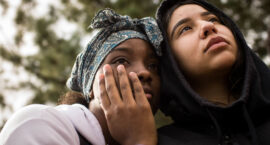
While this negatively affects all children, it is particularly harmful for Black girls. Black adolescent girls in the United States experience poor sexual and reproductive health outcomes due to bullying and stereotyping. These health concerns persist throughout their lives and a lack of sex education is a key factor.

Why Menopause Representation Matters: ‘Women in Positions of Power Realize This Is Not Something to Be Secretive About’

Representation of menopause in popular culture matters. Among the ways menopause has been reflected on TV, the And Just Like That cast has tackled issues of aging, including a cameo by Ms. co-founder Gloria Steinem last week.

It was also the main theme of a Judy Blume film screening and panel Ms. recently co-hosted in New York City entitled “Menopause Needs Our Margaret”—a reference to Blume’s iconic book, Are You There God? It’s Me, Margaret. The event gathered the filmmakers behind the Judy Blume Forever documentary, Davina Pardo and Leah Wolchok, plus menopause advocates Stacy London, Sharon Malone, Omisade Burney-Scott, Tamsen Fadal and Susan McPherson, in conversation with Jennifer Weiss-Wolf.

Read on for highlights from our New York City event.

Are You There, God? My Nude Photos Are All Over the Internet.

Slut-shaming has become more rampant and acceptable than ever before in our surveillance-saturated culture. Lacking privacy, we are denied dignity.

By normalizing the behavior of pre-adolescent girls obsessed with sexuality that they don’t yet comprehend, Are You There God? is an excellent reminder that girls—like all of us—need space to act foolishly, sometimes cruelly and then grow up—without being treated like a sexual object and without the whole world knowing all about it.