
On April 7, the UN announced it was suspending rotations of uniformed personnel until June 30, 2020. The suspension has major implications for host countries and their populations—from understaffing to prolonged deployments.


More Than A Magazine, A Movement

On April 7, the UN announced it was suspending rotations of uniformed personnel until June 30, 2020. The suspension has major implications for host countries and their populations—from understaffing to prolonged deployments.
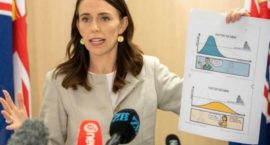
New Zealand’s Prime Minister Jacinda Ardern is giving most Western politicians a masterclass in crisis leadership. The country’s lockdown has been hailed as the ‘most decisive and strongest’ in the world.

Twenty-five years after the adoption of the Beijing Declaration, UN Women released “Gender Equality: Women’s Rights in Review 25 Years after Beijing,” a report that analyzes the progress achieved, opportunities for growth and setbacks that women have had to face since 1995.

Instead of our government passing blame to China to cover their ineptitude, try looking to China to see what they did right. But first, we must stop with the racism.

Reports of domestic violence are rising as COVID-19 races across the planet and people are ordered to stay home.
In a plea to all nations, UN Secretary-General Guterres said on April 5: “For many women and girls, the threat looms largest where they should be safest. In their own homes. I urge all governments to make the prevention and redress of violence against women a key part of their national response plans for COVID-19.”
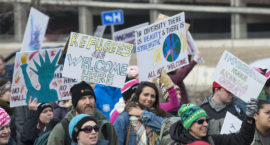
Last week, a panel discussion explored the impacts of the pandemic on the North American borders. Given the intense economic and social interdependence that Canada and Mexico have with the United States, closing of borders will bring major disruptions to every single component of their national fabric.
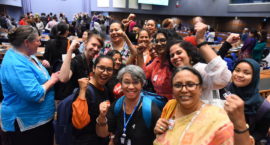
The two sessions of the Global Equality Forum that had been planned for Mexico City in May and Paris in July will be postponed until next year.
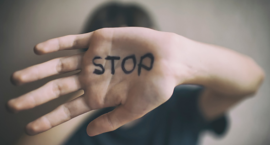
With an increase of domestic violence victims, are shelters prepared to handle an increase of victims amidst COVID-19 restrictions?
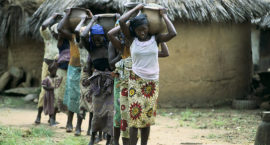
Late last month, a letter was sent out to Congress urging the funding of important programs in support of gender equality in the Fiscal Year 2021. It reads: “Advancing the political, economic, and social status of women and girls should be an essential component of U.S. Government efforts to promote global stability and strengthen our national security.”
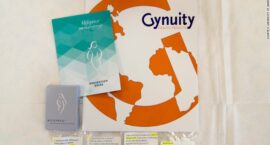
Throughout the COVID-19 crisis, women in the U.K. will have access to abortion at home, without traveling to a clinic. Prior to this temporary change, women were required to visit a clinic. Now, in the U.K., after a phone or video consultation with a doctor, patients may have both pills delivered to their homes.