Weekend Reading on Women’s Representation: Attacks on Women in Elected Office Ramp Up; Why’d Equal Pay Day Come a Week Early This Year?

Weekend Reading for Women’s Representation is a compilation of stories about women’s representation.

This week: the growing pro-woman movement in South Korea; read a full transcript and listen to the recordings from the inaugural Democracy Solutions Summit hosted by RepresentWomen last week; women’s rights and a healthy democracy are linked; attacks on women in elected office are becoming all too frequent; why Equal Pay Day for women fell more than a week earlier than last year; and more.

Care Workers Are Essential. It’s Time to Build a Caring Economy.

care worker caregiving

When crises strike, we turn to our friends, families and sometimes even complete strangers to provide an extra set of caring and supporting hands. Care workers have always played an essential role in our communities, from assisting with child care to providing professional support to the elderly.

Our government has a once in a generation opportunity to pass policies that would support fair pay and dignified work conditions for caregivers, investing in the essential caregiving economy.

Return to Work Is Happening in Hybrid Form—But Is Hybrid Working for Women?

The structure of employment in the U.S. has long been untenable for anyone who has caregiving duties, but now that hybrid work is here—the flexibility of which women have been advocating for basically forever—is it enough?

A stark contrast to the benefits of hybrid work: It is precisely the people who need hybrid schedules the most who will end up paying the highest price. 

The U.S. Women’s Soccer Team Reached a Historic Equal Pay Settlement—But the Fight to Close the Pay Gap Is Far From Over

Last month’s USWNT landmark legal victory placed women athletes on an equal footing with their male counterparts. But true equality will never be reached unless women in all fields, with men’s support, are willing to finally stand up for themselves and collectively demand equal pay across all professions. 

In a World Increasingly Defined By Crises, We Need Women’s Leadership Like Never Before

Three trends characterized women’s leadership in the pandemic response: effective leadership, rapid response and socially inclusive policies.

In a future being shaped increasingly by climate change, the collapse of liberal democracies, growing inequality, pandemics and now a war in Eastern Europe, what’s needed more than ever are leaders with empathy backed up by serious attention to the needs of the most vulnerable—ones that can bring people together, in solidarity, during times of hardship and craft a set of socially inclusive policies that capture the complex and myriad impacts of crises.  We need not just more women, including diverse women leaders at the top but also more male leaders embracing the qualities that women leaders have exemplified throughout the pandemic. Nothing less than our future depends on it. 

Weekend Reading on Women’s Representation: As the U.S. Celebrated International Women’s Day, Feminists Wonder—Where Are the Women in Politics?

Weekend Reading for Women’s Representation is a compilation of stories about women’s representation.

This week: A look at different perspectives on women’s representation across the globe, from the U.S. to South Korea and beyond; women supporting Ukranian refugees; how to get more women into elected offices; and more.

Will Ukraine Bury Feminist Foreign Policies or Will It Reveal Their Power?

Will Ukraine Bury Feminist Foreign Policies or Will It Reveal Their Power?

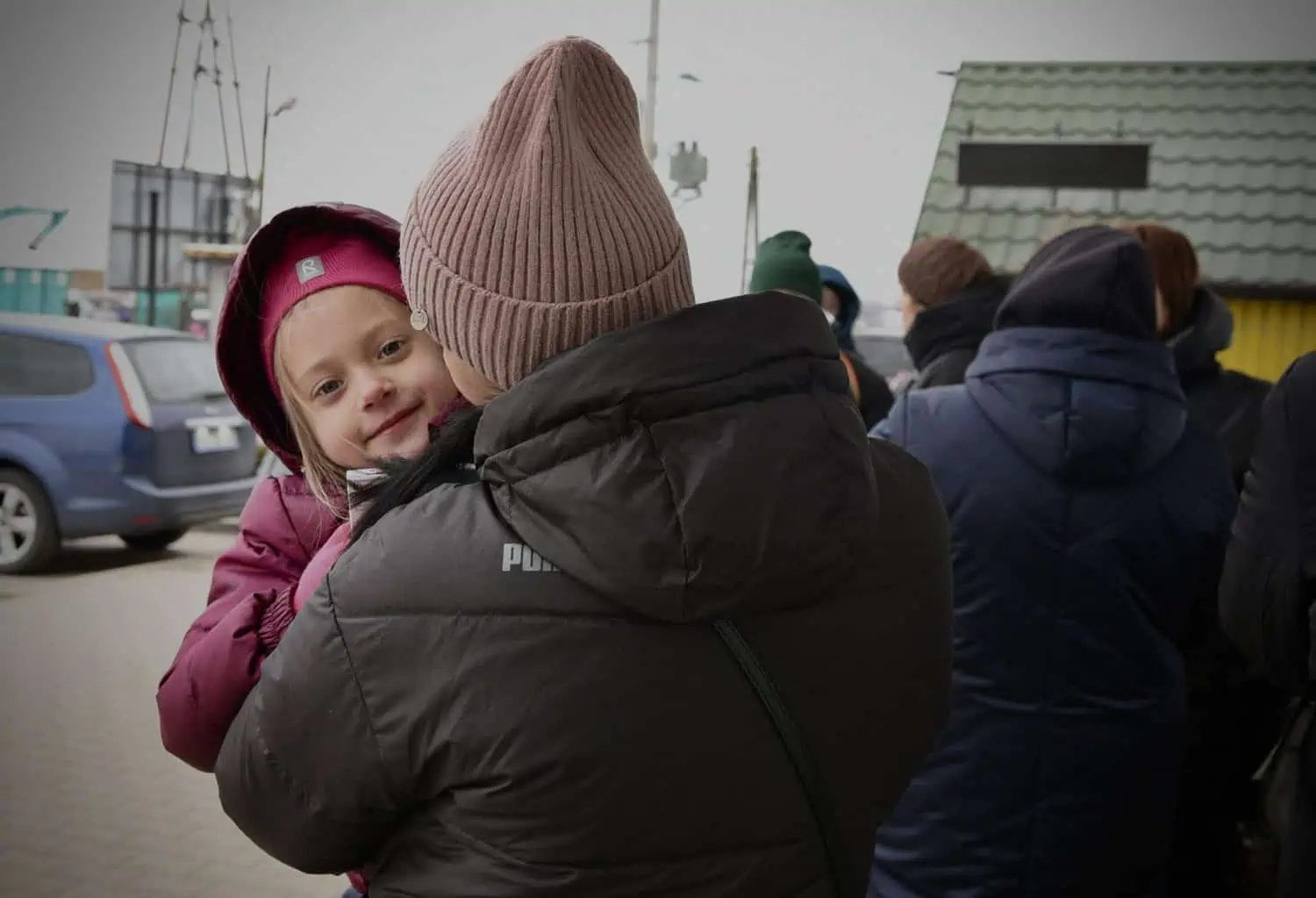
In Ukraine, once again, the rules of conscription and refuge are following a familiar pattern: Men to the front, women and children to shelter, inside and outside the country. This highlights how conventional our expectations still are when it comes to war.

Now is the time to insist on gender equality at any future or current negotiating tables and centering the voices of those who have been most directly affected by conflict. But the proponents of feminist foreign policies also need to ensure that an understanding of the gendered implications of this conflict informs the policies that are pursued today.

Is the Pipeline of Women Running for Office Broken?

A recent surge of women candidates gives the misleading impression that significant change is afoot. The fact is, women are still very unlikely to run or consider running for elected office, according a new study which shows the political ambition gap between men and women interested in running for office is virtually unchanged in the 20 years.

If the status quo is to change, the strategy for building a pipeline of women willing to run must change.

Keeping Score: Abortion and LGBTQ Rights Backslide in Florida and Texas; Maternal Mortality up 20% Last Year; Abortion Seekers Favor Medication Abortion

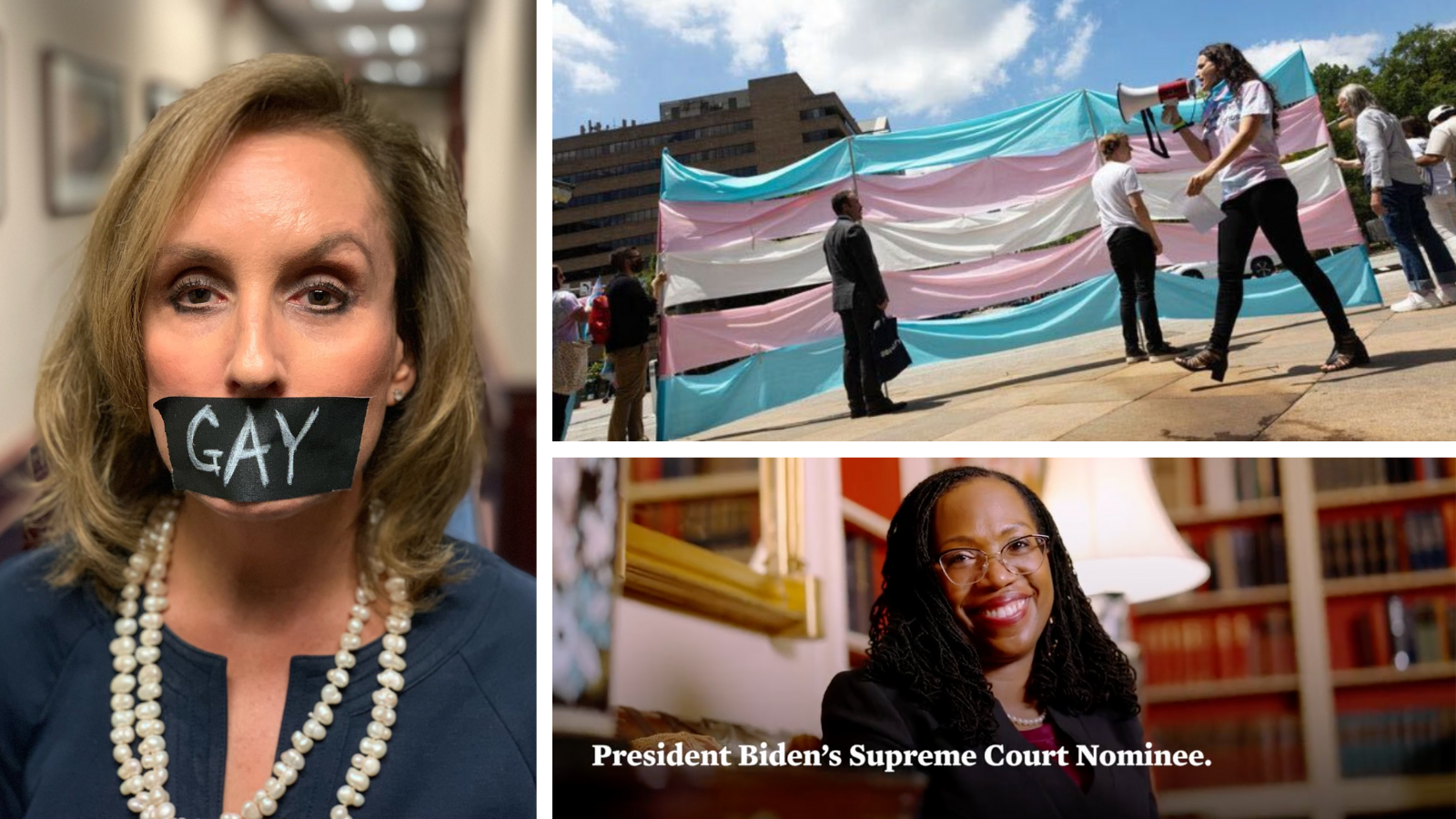
This week: LGBTQ Ukrainians fear for their lives during Russian invasion; Colombia legalizes abortion; Ketanji Brown could be first Black woman confirmed to Supreme Court; Florida poised to ban both abortion and discussion of sexuality and gender in schools; Ahmaud Arbery’s killers charged with federal hate crime; anti-Asian hate crimes hit record high; and more.

What Biden’s State of the Union Means for Women

Biden SOTU

Biden’s demands to create a more equitable economy for women, which reflect decades of activism and leadership on the part of racial and gender justice advocates, aren’t simply bullet points on a progressive wish list. They aren’t “nice-to-haves.” They are fundamental building blocks of an economy and society that values women and families, which explains why the United States doesn’t have them.