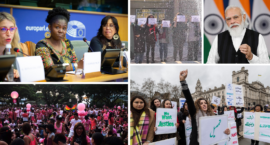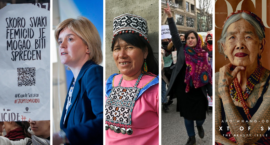
Ms. Global: Taliban’s Leader Says Women Prosper Under His Rule; Singapore Pride Returns; Disabled Women in DR Against Obstetric Violence; Kenyan Workers Forced to Strip in Period Shaming Incident

The U.S. ranks as the 19th most dangerous country for women, 11th in maternal mortality, 30th in closing the gender pay gap, 75th in women’s political representation, and painfully lacks paid family leave and equal access to health care. But Ms. has always understood: Feminist movements around the world hold answers to some of the U.S.’s most intractable problems. Ms. Global is taking note of feminists worldwide.

This time with news from Afghanistan, Peru, India, Colombia, Kenya and more.

In Traditional Economics, a Few Men Get Rich Quick and Easy—It’s Past Time for *Feminist* Economics

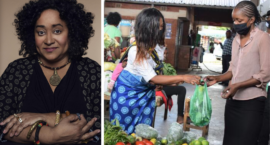
“The combination of the words ‘feminist’ and ‘economics’ was … laughable,” said Amherst professor and economist Nancy Folbre, now 70, reflecting in a video interview about the 1992 creation of the International Association for Feminist Economics (IAFFE). That combo is now gaining cred, thanks to the formidable work of Folbre and the bold individuals of IAFFE. 

“People don’t realize they can choose differently. We all believe in democracy. So why not democracy for the economic system?” asked Dr. Caroline Shenaz Hossein, associate professor of global development at the University of Toronto Scarborough.

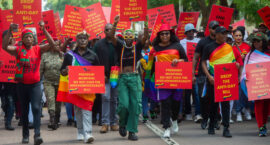
Queer African Activists Call for Action—But the African Continent Is Not the Only Site in the Global War on Gay Rights

While some countries move towards the decriminalization of homosexuality and try to eliminate LGBTQ+ discrimination, some countries have passed harsher legislation harming LGBTQ+ communities, especially targeting the queer youth in those countries. Ms. is highlighting some cases and reflecting on what this means for queer rights in America and globally.

Ms. Global: Drought in Somalia; Afghan Women Face More Restrictions; Burundi Sees Spike in Femicides; the Crackdown on Egypt’s Queer Community

The U.S. ranks as the 19th most dangerous country for women, 11th in maternal mortality, 30th in closing the gender pay gap, 75th in women’s political representation, and painfully lacks paid family leave and equal access to health care. But Ms. has always understood: Feminist movements around the world hold answers to some of the U.S.’s most intractable problems. Ms. Global is taking note of feminists worldwide.

This week: News from Somalia, Afghanistan, Burundi, Egypt, Germany, and more.

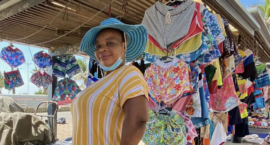
Aren’t We Workers, Too?

Our work as street vendors seems invisible—and up to 2 billion workers worldwide are not recognized as workers and do not have labor rights. We are the workers of the informal economy: the street and market vendors, the hawkers, the mobile traders and the domestic- and home-based workers, many of whom are women sustaining households by themselves.

Whether in the rain or scorching heat, we sell affordable products to workers bustling to and from their jobs in urban centers, because we cannot afford not to work.

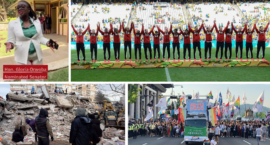
Ms. Global: Nigerian Elections; Spain Gains on Abortion and Trans Rights; Earthquake in Turkey and Syria Jeopardizes Pregnant Women

The U.S. ranks as the 19th most dangerous country for women, 11th in maternal mortality, 30th in closing the gender pay gap, 75th in women’s political representation, and painfully lacks paid family leave and equal access to health care. But Ms. has always understood: Feminist movements around the world hold answers to some of the U.S.’s most intractable problems. Ms. Global is taking note of feminists worldwide.

This time with news from Spain, Nigeria, Kenya, Sri Lanka, Turkey and more.

COP27’s Newest Headliner: Environmental Justice

As the U.N.’s COP27 conference wraps up, we encourage decision-makers to shift their focus to equity-centered solutions such as local clean energy workforce development and training. Governments and businesses can then financially invest in local communities of color after years of colonialism and environmental racism. In this way, those most likely to be impacted will see financial benefits from climate policy. The same way corporations do.

Environmental justice must be at the forefront of every conversation about climate change.