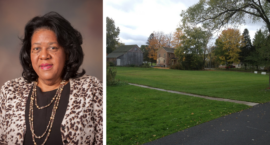
Karen V. Hill, Director of the Harriet Tubman Home: ‘She Was Able To Separate the Brutality of Slavery From How She Loved the Land’

Karen V. Hill is president and CEO of the Harriet Tubman Home, Inc. in Auburn, N.Y. She has successfully pursued federal legislation to have Harriet Tubman’s homestead become one of the newest units of the National Park Service.

“To me that’s just startling, that this place in Maryland where she had been treated so harshly, she was able to separate the brutality of slavery from how she loved the land.”
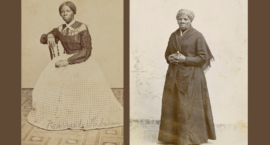
The Two Harriets

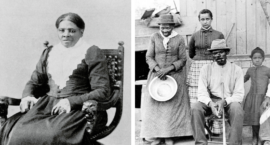
The iconic figure of Harriet Tubman supersedes the factual details of her life: There is the real Harriet Tubman and there is how she is remembered, which looms larger. In most of the surviving photographs of Tubman, we see her as a stoic freedom fighter and abolitionist. However, in 2017, a recently discovered photograph of her was auctioned at Swann Galleries, and it shows us a new side of Tubman: a younger, more feminine Tubman, dressed on trend for the 1860s. Perhaps this photo represents a more hopeful Harriet Tubman forging a life post-emancipation.  

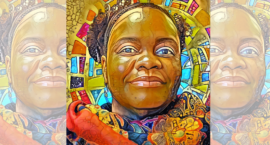
A Conversation with Artist Nettrice Gaskins, ‘Beacon of Hope’ Creator

Nettrice Gaskins is a digital artist and self-identified Afrofuturist whose work has been receiving national attention. A 2021 Ford global fellow, Gaskins’s work is featured in the current “FUTURES” exhibit at the Smithsonian.

Ms.’s Janell Hobson, who invited Gaskins to create original art for the Harriet Tubman Bicentennial Project, interviewed the artist over Zoom.  

Why Video Games Education Needs Harriet Tubman

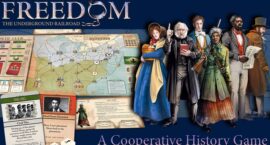
The commercial video games field has serious problems, including harmful representations of several marginalized groups, exploitative and harassing labor practices in industry, and even toxic behavior between gamers within the play community.

Centering Harriet Tubman has helped in our ongoing project to develop feminist and anti-racist game design education.  

The Sound World of Harriet Tubman

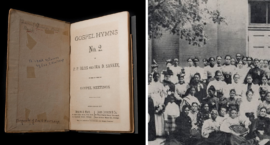
In spring 2019, I went on a trip to the birthplace of Harriet Tubman. The experience of learning Tubman’s story set me on the trajectory to be able to explore the songs she sang, and the sound world in which she lived, so that we can better understand her life.

This essay is a sound collage and discussion of the early African American music culture that molded one of our most prolific ancestors. 

A Conversation with Music Composer Nkeiru Okoye of ‘Harriet Tubman’ Opera Fame

A Conversation with Music Composer Nkeiru Okoye of "Harriet Tubman" Opera Fame

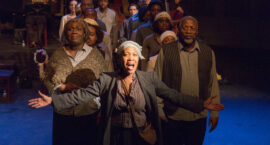
Dr. Nkeiru Okoye, whose first name means “the future is great,” has already dazzled the world as an internationally recognized music composer of opera, symphonic, choral, chamber, solo piano and vocal works. A 2021 Guggenheim fellow, Okoye is best known for her opera Harriet Tubman: When I Crossed that Line to Freedom, which premiered with The American Opera Project in 2014.

‘Harriet’ and the Combahee River Raid

Most Americans know of Harriet Tubman’s work on the Underground Railroad. But there are still many things about Harriet Tubman’s extraordinary Civil War service that Americans do not know—including being the first woman in U.S. history to lead men into battle, in what became known as the Combahee River Raid.

In 1974, Tubman’s incredible victories and sacrifices to free the most oppressed inspired a group of Black feminists to build coalitions and engage globally in political activism to free Black women from capitalism, racism and patriarchy: the Combahee River Collective.

Harriet Tubman’s Disability and Why it Matters

Harriet Tubman’s Disability and Why it Matters

Most 19th-century writers focused on Tubman’s bravery and strength. Her supporters praised her for her successful solo journeys into the slave-holding South to free dozens of enslaved people.

Yet, as an enslaved woman who lived in a patriarchal and anti-Black America, Harriet Tubman’s freedom dream and fugitive activism demonstrated something else: She offered up a version of freedom where a disabled Black woman sat at the center of it, where Black women were liberators, and where liberation was communal and democratic.  

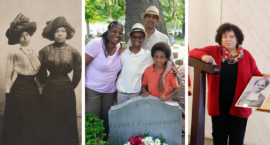
Family Portraits of a Legend: Conversations with the Descendants of Harriet Tubman

Family Portraits of a Legend: Conversations with the Descendants of Harriet Tubman

Tubman was the fifth of nine children born enslaved to Harriet “Rit” Green and Benjamin “Ben” Ross in Dorchester County, Md. She rescued her parents and some of her siblings, in-laws, nieces and nephews from the clutches of chattel slavery. Their descendants thus have a special connection to “Aunt Harriet.”   

“We are witnessing slavery in many forms throughout the world. My advice: Don’t own anybody and don’t let anybody own you. Seek your own freedom, set yourself free, and when you do, take somebody else with you.” 

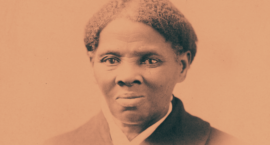
Harriet Tubman: A Life Beyond Myths

Since the first biographical details about Harriet Tubman were published in Boston’s Commonwealth newspaper in July 1863, her life story has been rewritten, distorted and reimagined time and time again.

Instead of repeating inaccurate depictions of Tubman’s achievements, let’s reclaim her story, the one rooted in her own words and well documented deeds. Let’s demand deeply researched, purposeful and respectful interpretation, not “gilded haze,” to reveal the true story of this remarkable woman. If we do not challenge the myths, we lose opportunities to fully comprehend our nation’s past and the complicated histories that shape today’s cultural, racial and political discussions.