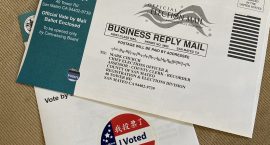
We address some of the vote-from-home bills we expect you are most likely to read about in the coming weeks and months. There are: the good, the bad, and the ugly in terms of impact on voters.


More Than A Magazine, A Movement

We address some of the vote-from-home bills we expect you are most likely to read about in the coming weeks and months. There are: the good, the bad, and the ugly in terms of impact on voters.

We are going to go to bed on election night, not knowing the results of the presidential election or the dozens of down-ballot races in every state.
And we will be fine. This year, we are going to have to wait for democracy to run its course.

A federal judge, citing the pandemic, had suspended a federal requirement that women seeking medication abortions pick up a pill in person.

Oregon’s experience shows that mail-in voting can be safe and secure, providing accurate and reliable results the public can be confident in. As more voters consider using mail-in voting than ever before, there are some lessons they—and their local and state election officials—can learn from Oregon, to help things move more smoothly.

Thursday, September 10 is Request Your Ballot Day. The right to vote is a basic American freedom, but no one should have to choose between voting and protecting their health. Voting by mail is one of the most secure ways to vote—it leaves a paper trail, and has strong security measures that ensure the authenticity of ballots and track them from the day they’re printed to the day they’re counted. Request your mail-in ballot today!

On Tuesday, Aug. 25, thousands of people will take action across America with one clear message: #SaveThePostOffice.
And bipartisan pressure is building.
The pressure must continue to build. Here are six things you can do to help #SaveThePostOffice.
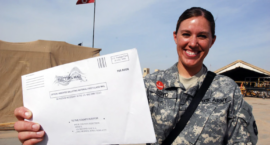
Fueled by the president’s unfounded claims about rampant voter fraud, and reports of equipment being removed, the plight of the United States Postal Service has captured America’s attention. Will it collapse? Here’s what you need to know.
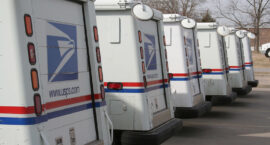
President Trump is using new schemes to prevent a November election—this time against a beloved public institution: the post office. The politicized effort to destroy the Post Office in an election year has confused and worried many—considering 91 percent of Americans hold a favorable view of the USPS.
Luckily, lawmakers in the House and the Senate, as well as two coalitions of at least 21 state attorneys general, are fighting back. And the pressure seems to be working.
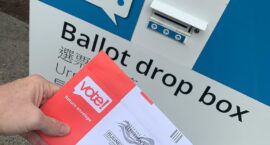
This year more than ever, every single one of us must make our voices heard. It’s critical that we understand our rights and navigate the system of roadblocks and misinformation erected to undercut and undercount our votes. Start planning your roadmap today to the destination, which is safe and successful voting so that your vote is counted on, not after, November 3.
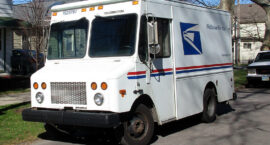
Postal delays and mistakes have marred primary voting, and after years of budget cuts and plant closures, mail delivery has slowed so much that ballot deadlines in many states are no longer realistic.