


A psychologist and an artist collaborate to turn reproductive loss into connection, visibility and healing.
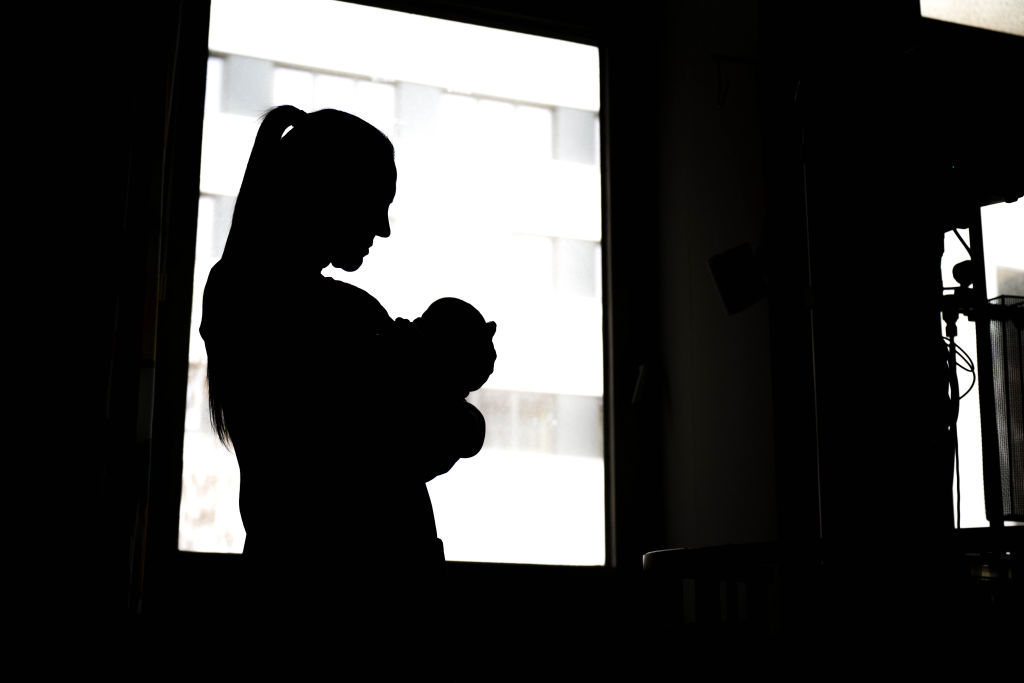
A message from Ms. editors, followed by a conversation between award-winning cartoonist Chari Pere and award-winning author and psychologist Dr. Jessica Zucker—who are on a mission to normalize talking about the complexities of reproductive grief in order to help people feel less alone.
Reproductive grief encompasses the range of emotional, psychological and even physical responses that can follow experiences like miscarriage, stillbirth, infertility, termination for medical reasons or other disruptions in a person’s reproductive journey. It is a kind of loss that is often invisible to others but deeply felt—an ache shaped not only by what happened, but by what could have been. Despite how common it is, reproductive grief remains largely unspoken, shrouded in silence and shame.
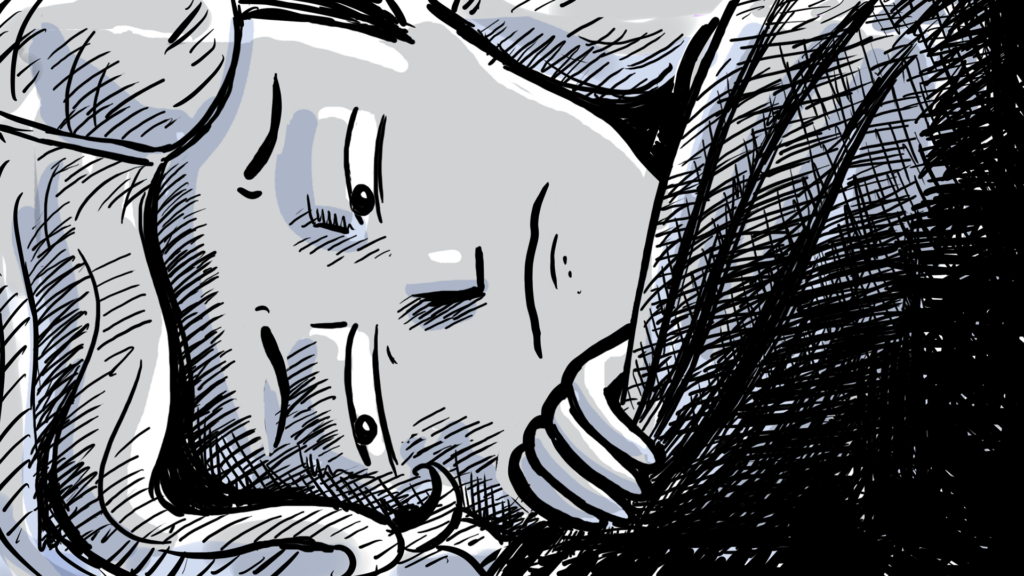
Pere and Zucker both experienced devastating pregnancy losses and came to understand firsthand how isolating it can feel when the world doesn’t recognize or validate that grief. Through art and storytelling, they are working to make these conversations public—and to remind people that healing begins when we stop treating reproductive loss as taboo.
Chari Pere: ‘I Needed the Reassurance That I Was Not the Only One.’
My husband was away on a week-long business trip. Before he even boarded the plane, I received the news that my pregnancy was no longer viable. I was 10 weeks along. I was told that the bleeding was going to get worse until the fetus came out on its own—or, if it didn’t, I would need a D&C.
Two days went by, and the bleeding increased, as did the insufferable pain. Not only was I alone with an active 19-month-old, but the physical anguish was almost nothing compared to the emotional intensity of realizing that my carefully curated dream of having children two years apart was crumbling inside of me. I was tormented, so I turned to the internet feverishly searching for a story that even remotely resembled my own. I needed the reassurance that I was not the only one—that, somehow, I would be OK.
Jessica Zucker: ‘On the First-Ever International Day of the Girl, I Lost Mine.’
On the first-ever International Day of the Girl, I lost mine.
I’d started spotting two days prior at 16 weeks along in my second pregnancy. At the sight of blood, I went directly to my doctor’s office. Everything looked as it should, but in the recesses of my mind, I knew a tragic outcome was imminent.
After a restless night of roiling in pain, I went to the bathroom to put a cold compress on my forehead, and the fetus emerged. She hung from me. I was instructed by phone by my OB-GYN how to cut the umbilical cord, and promptly began to hemorrhage. Shock and awe overtook me as I grappled with this fast-moving trauma. My husband darted through LA traffic to get home, and we promptly sped to Cedars-Sinai with the fetus in a bag for testing. As a result of the unending blood loss, I underwent an unmedicated D&C, an experience that remains seared in my psyche. The days following, I felt hollow and ill-prepared for how I’d parent, much less put one foot in front of the other.
These are two unique yet all too common experiences. Millions of miscarriages take place in this country every year. In fact, it has been named the most common complication of pregnancy. Yet, the research shows a majority of women feel a sense of self-blame, guilt and even body failure in the aftermath, despite medical information revealing that most miscarriages are a result of chromosomal abnormalities.
Given the ubiquitousness of this experience, you’d think people might feel part of a club nobody ever wanted to become a member of. This is not the case. Most people report feeling alone, isolated and even alienated amid their grief.
We question the roots of why women blame themselves and how the zeitgeist needs to shift in order to turn this around. Independently, we had harrowing miscarriages and knew that this experience was both too commonly undergone and far too uncommonly discussed. So we turned to our respective skillsets to help ourselves and others process the pain and ultimately heal.
Pere: Sharing Stories Through Art
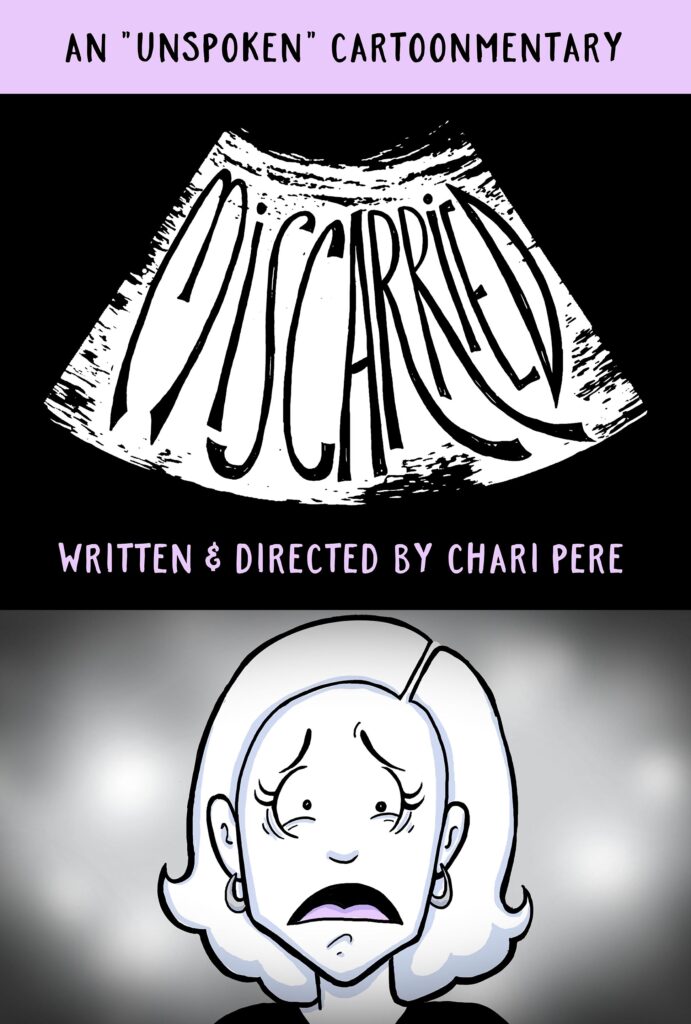
As a cartoonist, I’ve dedicated my career to sharing people’s stories about topics ranging from abuse, bullying, to medical health issues, to shed light on taboo issues. I’d been adept at sharing other people’s stories through art, so when I came face-to-face with my own personal experience of suffering, I knew it was incumbent upon me to share my miscarriage with others. It was honestly the most important decision I ever made. By sharing my story as a short comic and choosing to release it online with the support of actor Mayim Bialik, it reached an audience that I did not expect and made an indelible impact.
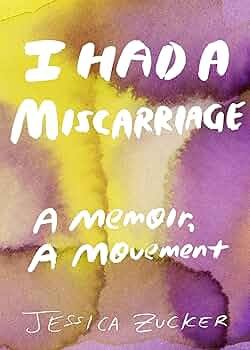
Around the time that I released my story, I discovered Jessica’s book, I Had a Miscarriage: A Memoir, a Movement and her viral #IHadaMiscarriage campaign. It was a relief to see someone else using their capabilities to not only help others in the context of her therapy office but also to encourage people to speak up about their lived experiences through her writing and activism.
Zucker: ‘We Have a Long Way to Go’

As a psychologist, I’ve specialized in reproductive and maternal mental health for nearly two decades. I came to the field of psychology with a background in public health and was passionate about these specific issues long before I became intimately familiar with pregnancy loss firsthand. After my second-trimester miscarriage, I felt compelled to attempt to make a dent in the cultural conversation, or lack thereof.
I launched the #IHadaMiscarriage campaign with my first New York Times piece and haven’t stopped writing ever since. I’ve been writing since I was a little girl, but had no idea just how transformative it would be as I wrestled with trauma in all its complexity. I credit writing with connecting me with countless women around the world who know this ache too well and with anchoring me as I weathered grief’s storm.
My second book, Normalize It: Upending the Silence, Stigma, and Shame That Shape Women’s Lives, aims to inspire people to replace silence with storytelling. This book takes on the stigma that shrouds everything from menstruation to miscarriage to menopause and provides tools for how we can bid farewell to the tendrils of shame once and for all.
We both understand the profundity of storytelling and how sharing can ultimately transform the antiquated cultural silence, stigma and shame into something powerful: connectedness and community. The more people feel safe sharing their stories, the gentler we can navigate healing our emotional wounds and find our footing in due time. While society has made significant progress in puncturing the societal hush-hush requirement over the last decade since our miscarriages, we have a long way to go.
By normalizing talking about the tough stuff, we pave the way for current and future generations of girls and women to feel entitled to the acknowledgment and support they deserve. The more we speak up, the less alone we feel and the better armed we can be in the aftermath of these life-changing experiences.