I wrote The Birth Book to guide patients through labor. I couldn’t leave abortion out of it.

Here’s what I know as an OB-GYN: Any book about birth that ignores abortion access isn’t just incomplete—it’s dangerous.
I also know that any woman researching birth plans needs to know how state laws could limit their care during a pregnancy complication, even if they never imagined needing an abortion. Even if they self-identify as being staunchly antiabortion.
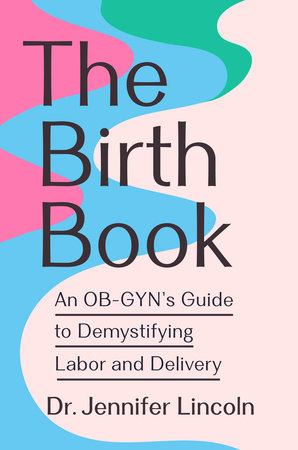
This is precisely why I talk about abortion in my book—a book meant for people who want to have a baby.
I wrote The Birth Book because I was frustrated with many of the other titles on the topic available to readers. There were no comprehensive guides focused on labor and delivery written by someone with actual clinical experience. That’s already a problem, but birth in our country is broken—patients don’t know their rights, and social media amplifies misinformation and fear. Patients deserve better.
The Birth Book is filled with what you’d expect: evidence-based answers to questions about epidurals, pushing positions and postpartum recovery. But it’s also a book about bodily autonomy, informed consent and the right to make decisions about your own body. That is exactly why it includes information about abortion laws, the religious affiliations of hospitals and what happens when pregnancy complications arise in states with restrictive legislation.
The bodily autonomy that protects your choice not to be pregnant is the exact same autonomy that protects your choices during labor.
The reason for this is not just that people deserve access to this information but also because the principles are identical: The bodily autonomy that protects your choice not to be pregnant is the exact same autonomy that protects your choices during labor.
This isn’t a theoretical exercise for me. As an OB-GYN with millions of social media followers, I’ve spent years educating people about all aspects of reproductive healthcare. I’ve made videos of birth simulations and created a website, ThreeForFreedom.com, to help people access birth control, emergency contraception and abortion pills in all 50 states.
These aren’t separate missions. They’re all pieces of my work, grounded in the same principle: Patients are entitled to complete, evidence-based information to make decisions about their own bodies.
When the Supreme Court overturned Roe v. Wade, my DMs exploded. People who’d followed me for pregnancy, periods and birth control content suddenly had urgent questions about abortion access. They wanted to know if they could still get care for miscarriages, whether traveling while pregnant was safe—not because of physical risks, but because of legal ones. The artificial wall between “pregnancy care” and “abortion care” collapsed instantly. In reality, it had never existed.
That’s when I knew I couldn’t write a book about birth without addressing abortion. When I wrote about choosing a hospital, I couldn’t leave out the fact that Catholic hospitals have restrictions that limit your care options. Similarly, I realized that I needed to include information about differing state abortion laws because pregnancy doesn’t respect state lines. People travel while pregnant, and they deserve to know that if something goes wrong in another state, their options for care may be dramatically different than they would be at home.
The patients I’ve cared for who’ve had abortions aren’t any different from the patients I’ve helped have their babies. In fact, they’re often the same people, at different points in their lives.
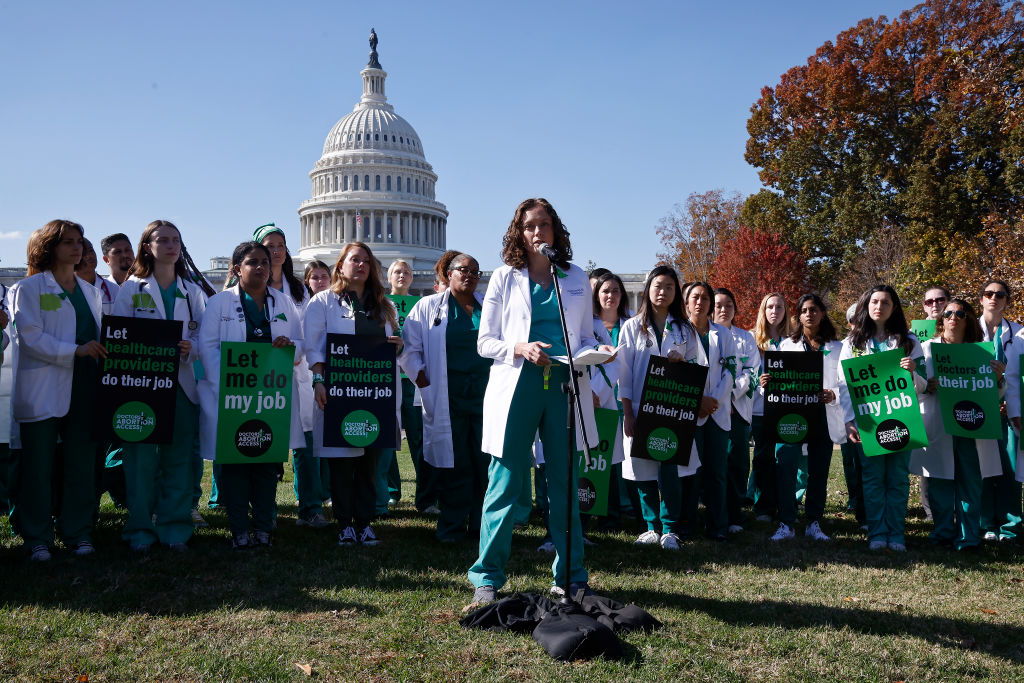
Even if you’re staunchly opposed to abortion and find my inclusion of this information off-putting, I’d ask you to keep an open mind. What you may not know is that these laws don’t just affect people seeking abortions: They affect how doctors treat miscarriages, ectopic pregnancies and life-threatening complications. If you’re pregnant in America right now, the abortion laws in your state and any state you visit are part of your healthcare landscape, whether you support access to abortion or not. Ignoring this reality doesn’t protect you. Instead, it leaves you dangerously uninformed and potentially unable to advocate for your own safety.
The patients I’ve cared for who’ve had abortions aren’t any different from the patients I’ve helped have their babies. In fact, they’re often the same people, at different points in their lives. Supporting people through birth means supporting all their reproductive decisions. It means recognizing that autonomy, dignity and bodily integrity aren’t conditional and should never be predicated on making a choice deemed “right” by a politician. These are fundamental rights that belong to everyone. Pregnant people are not truly empowered during birth and beyond unless they also have the right to choose whether to give birth at all.
So yes, I talk about abortion in a book meant for people packing a hospital bag and decorating a nursery, because the basic human right of bodily autonomy applies throughout your entire reproductive life.
If we really believe that people should have the births they want and deserve, we have to also believe they should have the pregnancies they want and deserve—and the right to end pregnancies they don’t.