There’s a Way to Add the Equal Rights Amendment to the Constitution—And We Did It

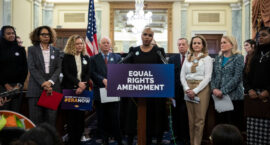
The truth is that the ERA is very much alive today, and this terrifies anti-equality activists and columnists alike. We don’t need to start over. Like Professor Tribe said, we have met the requirements of Article V and just need the ERA to be recognized by Congress as valid. It has enormous potential to protect reproductive rights and freedom, trans rights and much more.

Keeping Score: Governors Band Together to Support Abortion; Anti-Abortion Ads Target Low-Income Women

In every issue of Ms., we track research on our progress in the fight for equality, catalogue can’t-miss quotes from feminist voices and keep tabs on the feminist movement’s many milestones. We’re Keeping Score online, too—in this biweekly roundup.

This week: Vice President Kamala Harris speaks in Florida on the 50th anniversary of Roe v. Wade; MSU devastated by mass shooting; New York Times contributors stand up to poor coverage of trans youth; Sen. Dianne Feinstein announces retirement after 30 years; anti-abortion ads target low-income women; police responsible for 5 percent of U.S. homicides; and more.

Abortion Legal Assistance Network Launched: ‘A Strong Defense Against Bullies’

Six leading reproductive rights organizations formed a new Abortion Defense Network to connect people facing legal threats related to abortion with attorneys who can provide legal advice and representation in civil and criminal proceedings. 

“This initiative brings together some of the best lawyers in the country to provide legal advice, as well as criminal and civil defense. In this daunting post-Roe reality, we want everyone to have legal support and to know their rights.”

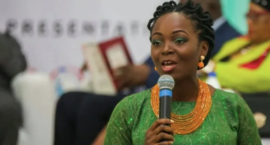
A Nigerian NGO Is Raising Money to Back Women Politicians Amid a Presidential Race of All Men

A women-focused organization is seeking to increase funding for Nigerian women who want to participate in politics. In a country with only 6.4 percent of women taking active roles in public office, the organization understands the challenges are steep and multifaceted, especially as Africa’s most populous country gears up for general elections on Feb. 25.

U.S. Rape Culture Is Sidelining and Silencing Future Female Leaders

The recent CDC report on the health of U.S. high school students was sharply contextualized by chief medical officer Dr. Deborah Houry’s headline-grabbing remark at the report’s release: “America’s teen girls are engulfed in a growing wave of sadness, violence and trauma.”

Rape culture is defined in part by its tolerance of subjection of women to a continuum of threats. Rape culture is also characterized by sexism, which involves normalized denigration and dismissal of women. Failure to address these conditions for young girls creates more hurdles on their paths to success and the possibility of public leadership—where the ranks of women leaders continue to be proportionally much smaller than they are for men.

Proposed California Law Would Block Digital Surveillance of People Seeking Abortion and Gender-Affirming Care

Republicans in multiple states have introduced bills that would allow authorities to criminally prosecute women and pregnant people who have abortions and prosecute parents for obtaining gender-affirming care for their children. Reproductive justice advocates are concerned that police and prosecutors in these states will attempt to find these people using digital dragnet surveillance of their search histories and location data.

On Feb. 14, California Assemblymember Mia Bonta (D-Oakland) introduced Assembly Bill 793 to protect people from unconstitutional searches of their data. “No one should face or fear criminalization for their abortion or gender-affirming care. When we decide to end our pregnancies, we should be able to do so with dignity, and without fear of being arrested, investigated or jailed.”


The Childcare Crisis Is Costing You Money

We must do more to increase our nation’s stagnant labor force participation rate. Childcare providers and the families who depend on them cannot continue to bear the burden of supporting our current system without additional support.

The U.S. childcare system needs to be radically transformed. Our nation must focus on creating a childcare system that is affordable, accessible and equitable in the long term.