Weekend Reading on Women’s Representation: Women Candidates and the 2028 Presidential Election; Sen. Lisa Murkowski Reaches Across the Aisle

Weekend Reading for Women’s Representation is a compilation of stories about women’s representation. 

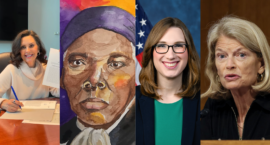
This week: a look at the women being considered for the Democratic nomination in the 2028 presidential race; Portland’s new electoral system from the perspective of a first-time candidate; Sen. Lisa Murkowski’s determination to be a voice of reason within her party; Florida adds a woman to the Senate; Rep. Sarah McBride navigates her first month in office with grace; and Australia’s leadership on policies and practices that advance women.
War on Women Report: Trump’s Second-Coming Brings Whirlwind of Far-Right Threats—From Executive Orders Attacking Repro Rights and DEI, to Immigration Blitzes

MAGA Republicans are back in the White House, and Project 2025 is their guide—the right-wing plan to turn back the clock on women’s rights, remove abortion access, and force women into roles as wives and mothers in the “ideal, natural family structure.” We know an empowered female electorate is essential to democracy. That’s why day after day, we stay vigilant in our goals to dismantle patriarchy at every turn. We are watching, and we refuse to go back. This is the War on Women Report.

Since our last report…
—Abortion bans are driving young people out of restrictive states.
—Brittany Watts, the Ohio woman who was arrested last year after miscarrying at home, has filed a lawsuit against several members of hospital staff.
—Trump has launched a nationwide immigration enforcement operation, beginning in Chicago.
—Republicans ramp up attacks on the FACE Act.

… and more.

Keeping Score: Trump’s Executive Orders Undo Progress; Meta Allows Hate Against Women and LGBTQ People; Abortion Ban States Are Losing Residents

In every issue of Ms., we track research on our progress in the fight for equality, catalogue can’t-miss quotes from feminist voices and keep tabs on the feminist movement’s many milestones. We’re Keeping Score online, too—in this biweekly roundup.

This week: Trump enacts harmful executive actions on immigration, global abortion care, DEI and foreign assistance; Trump’s new treasury secretary said expanding tax cuts for the wealthy is “the single most important economic issue of the day”; Trump pardoned anti-abortion extremists; ICE raids spread fear; 1.4 percent of trans teens participate in sports, but 40 percent are bullied at school; Whole Woman’s Health has expanded its 24/7 abortion care services; states hostile to abortion rights see challenges attracting and retaining workers; female firefighters will now receive federal compensation for treatment for reproductive cancers; remembering Cecile Richards, and more.

Eighty Percent of Pregnancy-Related Complications Are Preventable. The Momnibus Act Could Change That.

Women’s rights and maternal health are under relentless attack. Just one week into Donald Trump’s presidency, the rollback of reproductive rights, threats to healthcare access and emboldened restrictions on bodily autonomy have left women more vulnerable than ever. With abortion bans expanding and maternal health protections at risk, the fear is no longer hypothetical—it is urgent.

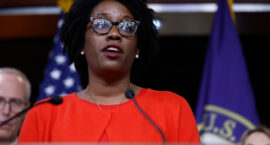
But amid this crisis, there are leaders refusing to stand by. One of them is Rep. Lauren Underwood (D-Ill.), a public health nurse turned member of Congress, who remains steadfast in her belief that real progress is still possible.

“Every mother deserves access to quality care, and every child deserves a healthy start,” Underwood told Ms. “No one can argue with that.”

‘There Will Always Be Journalists to Stand Up and Fight’: Women Reporters Brace for Trump’s Second Term

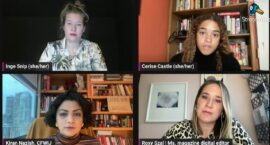
A conversation between Women Press Freedom senior editor Inge Snip; Ms. managing digital editor Roxanne Szal; California-based journalist Cerise Castle; and CFWIJ founding director, Kiran Nazish:

As Donald Trump returns to the presidency, women journalists are bracing for heightened threats—including online harassment, physical violence, and legal intimidation—building on the hostility they faced during his first term. In a panel hosted by the Coalition for Women in Journalism, reporters shared their experiences navigating these dangers, emphasizing both the risks ahead and the resilience of the press. Despite growing fear, they remain committed to telling critical stories and holding power to account.

Rolling Up Our Sleeves, Part 2: Enlisting Blue State Government

A fierce feminist resistance is ready to defend women’s rights at the federal level—and creatively expand equality protections in the states. This is the second in a four-part series on the steps activists are taking to fight for our rights amid Trump’s attacks on democracy.

Part 1 covered the organization Democracy Forward and its new initiative Democracy 2025, which is working to counter the Trump administration’s antidemocratic acts with swift legal challenges and other strategic responses. This follow-up discusses the Democratic governors and attorney generals who are working to “Trump-proof” their state’s existing laws and fight for legal protections for their residents. Next Wednesday and Thursday, Part 3 will tackle more specifics of state law and advocacy, while Part 4 will get into the issue of federal funding under Trump.

Stopping the Flow of Abortion Pills by Any Means Possible: Texas Takes on Telehealth Abortion Shield Laws

Last month Texas Attorney General Ken Paxton filed a civil lawsuit on behalf of the state against New York doctor Maggie Carpenter, co-founder of the Abortion Coalition for Telehealth, for prescribing abortion pills through telehealth to a Texas woman.

Paxton’s lawsuit is a direct attack on telehealth abortion shield laws— a move that has been anticipated since Massachusetts enacted the country’s first such law in the immediate aftermath of the Supreme Court’s 2022 decision in Dobbs.

In North Carolina, an Attempt to Overturn a State Supreme Court Election

The losing candidate for a seat on the high court is trying to have more than 60,000 valid votes thrown out.

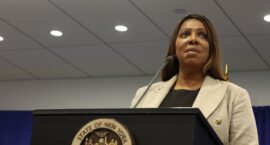
In a dispute that is attracting national attention, Judge Jefferson Griffin, a Republican candidate for the North Carolina Supreme Court and judge on the state intermediate court, is seeking to invalidate more than 60,000 votes and overturn the electoral win of his opponent, Justice Allison Riggs.

The dispute stems from November’s state supreme court election, which Griffin lost by just 734 votes. The crux of Griffin’s argument is a claim that the state board of elections has been breaking state election law for decades by following an incorrect process for registering voters, including failing to require voters to provide a driver’s license or social security information and wrongfully allowing certain overseas and absentee ballots to be submitted without photo identification.

Go Fund Them: Domestic Violence Advocates Need More Resources

The recent major wildfires in Los Angeles and its surrounding communities are now ranked the seventh-costliest American natural disaster of the last 45 years, coming in at $80 billion so far.

In California, 35 percent of women experience domestic violenc

Just like wildfire, the domestic violence crisis cannot be extinguished without the proper systems, resources and accessible workforce. In the case of domestic violence, the efforts to address, intervene and prevent Intimate partner violence with complicated Infrastructures and human resources are seriously lacking.