Looking to Black and Indigenous Foremothers to Resist Erasure

Free Black women and Indigenous women are the foremothers of generations of African Americans. Yet they remain largely absent from the official story of American freedom. Their lives, contributions and descendants have been systematically erased—from colonial records and legal classifications to public memory itself.

That erasure began in the earliest colonial records. The 1620 Virginia census recorded “four Indians in the service of several planters,” alongside 15 Negro men and 17 Negro women, reducing people to categories that obscured their identities, families and histories. Over the centuries, laws, court decisions and public institutions repeatedly reinforced that disappearance.

The best celebration of 250 years of American freedom—after the fireworks and celebrations by a newly blue-painted Lincoln Memorial Reflecting Pool are over—could be a visit to a cool, air-conditioned archive. In the quiet, anyone can search the records for the full story, of the enslaved and freeborn, Indian and African. Anyone can defy censorship and erasure with an open mind and a pencil, no fees required. 
Gerrymandering 101: How the System Is Stacked Against Voters

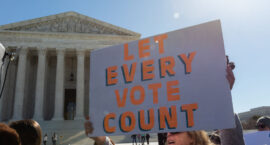
Here are six things to know about partisan gerrymandering and how it impacts our democracy:

1. Gerrymandering is deeply undemocratic.
2. There are multiple ways to gerrymander.
3. Gerrymandering has a real impact on the balance of power in Congress and many state legislatures.
4. Gerrymandering affects all Americans, but its most significant costs are borne by communities of color.
5. Gerrymandering is getting worse.
6. Federal reform can help counter gerrymandering—so Congress needs to act.

Fighting for a Fair and Accurate Census (Part 2): The Politics of the 2020 Census—and an Update on the Count

Fighting for a Fair and Accurate Census (Part 2): The Politics of the 2020 Census—and an Update on the Count

Census workers report that nonresponse follow-up was “rushed and chaotic,” using numerous shortcuts to end the census count on the shortened timeframe sought by the Trump administration. Not surprisingly, there is growing consensus among census stakeholders and data experts that the 2020 census data are likely to be insufficiently accurate.

Fighting for a Fair and Accurate Census (Part 1)

Fighting for a Fair and Accurate Census (Part 1)

It would be an understatement to say this has been a challenging census, made more turbulent by actions taken by the Trump administration.

Last week census advocates logged a win: A federal court ordered the Trump administration to produce documents shedding light on the rushed close to the 2020 census. But how did it come to this? And how can the U.S. avoid the politicization of the census moving forward?

(This is the first of a two-part series detailing this year’s unprecedented attacks on the U.S. census.)

The Weekly Pulse: SCOTUS and Our Health; Pandemic Worsens as Winter Approaches

The Weekly Pulse: SCOTUS and Our Health; Pandemic Worsens as Winter Approaches

For The Weekly Pulse (a revisit of an old Ms. column!), we’ve scoured the most trusted journalistic sources—and, of course, our Twitter feeds—to bring you this week’s most important news stories related to health and wellness.

In this edition: analyzing the Supreme Court’s impact on our health, a repro rundown while Roe is at risk, pandemic predicted to worsen with colder months ahead and why we need to care about LGBTQ health, now.

Take Action! Tell Congress to Save the Census

Take Action! Tell Congress to Save the Census

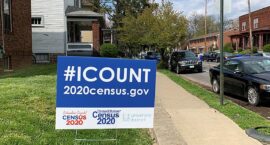
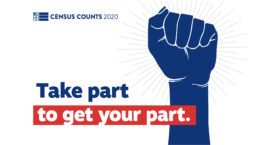
The COVID-19 pandemic has disrupted and delayed the counting of every person in the country for the 2020 census. Now, the Trump administration is forcing the U.S. Census Bureau to cut the census short by one month.

It’s time to make some noise and tell Congress to save the census and make sure millions of people in this country aren’t erased.