And the Oscar for Best Documentary Should Go to … ‘Black Box Diaries’

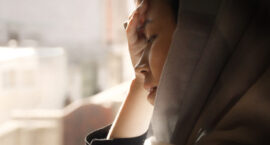
Black Box Diaries is a powerful, Oscar-nominated documentary that follows journalist and survivor Shiori Ito’s fight for justice after being raped by a powerful media figure in Japan. Using cinéma vérité techniques, surreptitious audio recordings and intimate self-documentation, Ito exposes the systemic failures that silenced her while capturing the emotional toll of her struggle.

The film highlights the global reach of the #MeToo movement and the stark realities of patriarchal impunity, culminating in a historic victory: the 2023 inclusion of consent in Japan’s rape law.
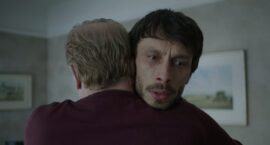
One More Award Due to ‘Baby Reindeer’: Best Filming of a Rape Scene

Much ink has been spilled on the extraordinary series Baby Reindeer, especially its refusal to be reductive in depicting complex and charged sexually subjects and the groundbreaking nature of its portrayal of male-on-male sexual assault and its consequences. What gets overlooked: Baby Reindeer is a vivid, visceral lesson in how to film a rape scene.

The filming of episode four—the construction, the point of view, the relentless focus, the utter absence of sensationalism and exploitation—can serve as a valuable lesson in how to film a rape scene: steering difficult scenes away from the abuser’s point of view, placing them in a space that allows the audience to understand, defend and respect the survivor.

Sahra Mani’s ‘Bread & Roses’: A Documentary ‘About Afghan Women, by Afghan Women, When the World Had Stopped Seeing Them’

In her new documentary, Bread & Roses (available now on Apple+), filmmaker Sahra Mani reveals the fierce and courageous resistance of Afghan women defying the Taliban—who wish to make them disappear.

It’s a documentary about Afghan women, by Afghan women, at a time when the world had stopped seeing them.

Flying Free: Wicked’s Feminist Message

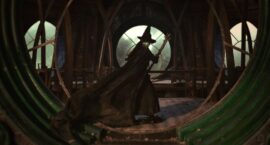
In Wicked, there are many parallels to our own universe: the rise of fascism in Oz; the vilification of a powerful woman (whose laugh some incidentally described as a “cackle”) concerned about the well-being of the most marginalized among us; a media enabling propaganda to villainize said powerful woman and prop up an empty shell of a man specializing in elaborate cons; and the failure of solidarity between women.

Part 1 ends with Elphaba’s ostracism from Oz, but the cinematic pan of her ascension in the sky looks less like tragedy and more like triumph. In times that require moral clarity, a perpetual outsider coming to self-actualization, freed from systems of power because she’s found her own, highlights that we have to look to different skies and different lenses to find a new kind of heroism.

Documentary ‘The Young Vote’ Introduces America to the Young People Shaping Its Future

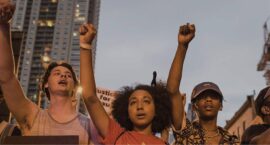
The Young Vote is a powerful documentary by Diane Robinson, now streaming on PBS. The film highlights the stories of young changemakers.

One of the opportunities young people have to shape their future in the U.S. is the chance to participate in the democratic process and vote. Even where there are free and fair elections, voters need to increasingly navigate their way through fake news, AI-generated deep fakes, and a splintered and polarized media landscape where it’s more difficult than ever to know what to believe and who to trust.

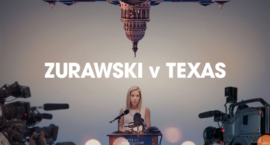
Documentary ‘Zurawski v Texas’ Shows the Horror of Abortion Bans—and the Bravery of Those Who Fight Them

The critically acclaimed documentary Zurawski v Texas is now available for rent in the U.S. on Amazon Prime Video, Apple TV/iTunes, Google Play and YouTube.

Executive produced by Hillary and Chelsea Clinton and directed by Maisie Crow and Abbie Perrault, the film achieves the remarkable, bringing audiences directly into the lives of three plaintiffs and their lawyer in the groundbreaking lawsuit from the Center for Reproductive Rights challenging Texas’ abject failure to honor medical exceptions under its abortion ban. The documentary gets up close and personal, shedding light on the devastating consequences experienced by each of the women—their doctor’s appointments, family interactions, surrogacy attempts, courtroom testimonies and a heart-wrenching funeral—at the hands of the state.

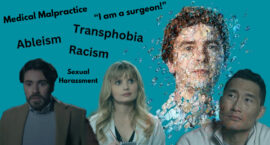
Is ‘The Good Doctor’ the New ‘Rain Man’?

After seven long seasons, The Good Doctor aired its final episode this summer. For a series that has been a large point of contention among the Autistic community, for better or for worse, the show has cemented itself a seemingly permanent spot in the conversation about Autistic media representation and, more broadly, how Autism is seen by the general public. 

I am Autistic, and I polled several fellow Autistic thought leaders and experts, and it’s official: The Autistic community mostly rejects the show, mainly for its oversimplified and flawed representation of Autism. 

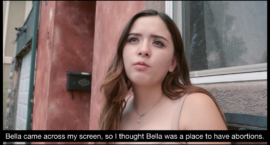
Documentary ‘Preconceived’ Exposes Horrors of Crisis Pregnancy Center Industry: ‘I Came to You for Help. Why Did You Lie?’

Since the fall of Roe, anti-choice politicians have rushed to champion “crisis pregnancy centers” (CPCs) as a legitimate alternative to qualified reproductive healthcare. As they funnel millions of taxpayer dollars into these unregulated clinics, abortion ban states suffer high rates of maternal and infant mortality and widespread maternal care deserts.

A new documentary, Preconceived (now available to stream), shines a clear light on this evasive industry, deftly navigating a complex landscape of deception, privacy, finances and faith.