‘An Abortion Saved My Life After I Got Leukemia’

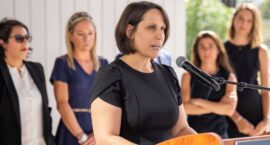
Mom Abby Blum tells why she was forced her to end her much-wanted pregnancy. She warns that an unexpected tragic event can happen to any woman—even if they think they’ll never need an abortion.

“It felt like an impossible choice, but I decided to go ahead and have the abortion to end my pregnancy so I could start the treatment I needed to save my life. … For me, the abortion was a medical necessity. And, in hindsight, I realize that in the post-Roe v. Wade era, I was lucky to be in a state where I had access to an abortion and to all the healthcare that I needed. ….

“If I had lived in a state like Texas, which bans abortion in nearly all cases, my story would have had a very different ending. I didn’t choose to get cancer and to have to make the decision to end my pregnancy, but that’s what can sometimes happen in life.”

What Comes After Roe? Fear, Surveillance and Felony Charges

A new survey reveals that a majority of likely voters oppose policies that grant legal rights to fertilized eggs, embryos and fetuses. They also oppose the criminalization of pregnancy loss, denial of emergency medical care and broader threats to reproductive freedom.

Yet here we are, with bills to codify those rights brewing in a quarter of U.S. states this year.

Even when they do not succeed, we cannot simply ignore them or hope their proponents call it quits. Rather, this is a prime opportunity to double down on educating people and harnessing public opinion.

Texas’ SB 31 Could Loosen the State’s Abortion Ban in Life-Threatening Cases. Doctors Say It’s Still Not Enough.

Will a new bill in Texas stop the shocking number of deaths of pregnant women in the Lone Star State? That’s the hope of both Democratic and Republican supporters of SB 31, also known as the Life of the Mother Act. The bill is headed to the desk of Gov. Greg Abbott for signature and there is a strong expectation that he will sign it.

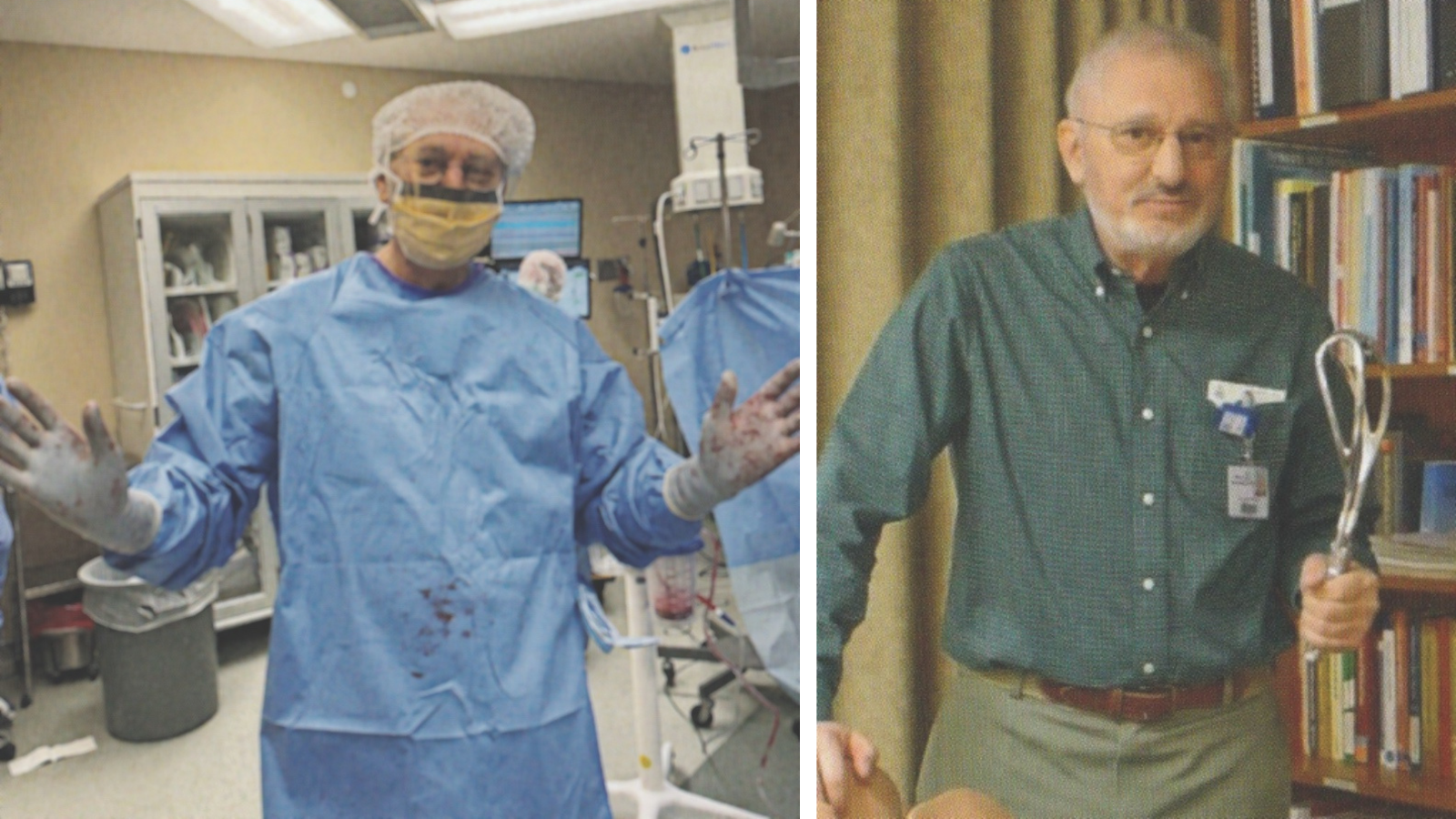
The goal of SB 31, which gathered broad bipartisan support, is to finally respond to the pressure to provide clarity about legal medical exceptions, allowing Texas doctors to perform lifesaving abortions and D&C (dilation and curettage) procedures on pregnant and miscarrying women in need of medical care. Supporters say they believe SB 31 will save the lives of pregnant women—yet many doctors still report uncertainty, and reproductive freedom advocates say the bill does not go far enough to address the loss of bodily autonomy suffered by women in the state.

Rest in Power: Étienne-Émile Baulieu, Abortion Pill Inventor and Women’s Rights Advocate 

Millions of women around the world gained safety, dignity and autonomy over their bodies thanks to Étienne-Émile Baulieu. The visionary biochemist, feminist and fearless innovator—best known for developing and championing “RU 486,” now known as mifepristone—died at his Paris home on May 30 at the age of 98.

Mifepristone has saved countless lives and offered millions of women a way to end unwanted pregnancies in the privacy and comfort of their homes. Baulieu and others championed the development of mifepristone for uses beyond abortion—including for treatment of fibroids, endometriosis, postpartum depression and cancer. He supported its use in managing miscarriages and as a way to help to dilate the cervix to reduce the need for Caesarean births. His vision for mifepristone wasn’t just to end pregnancies but to protect women’s health and reduce medical intervention that too often harmed them.

He predicted in 1991: “RU-486 will make its American entrance: science, good sense, and freedom will triumph.”

And here’s his view on why there has been tremendous opposition to abortion pills from the antiabortion movement: “A method that makes the termination of pregnancy less physically traumatic for women and less risky to their health has always been rejected by pro-lifers: What they really seek is to harm and punish women.”

‘Remember the Ladies’: Attacks on Gender Equity Remain a Core Feature of Surging Authoritarianism

In the whirling, swirling hellscape of illegality and cruelty that is the current American political scene, it’s hard to keep track of all the individuals and groups demonized, deported and derided by an administration seemingly motivated by a Machiavellian desire for power that might make Machiavelli himself blush with shame. In the midst of an apocalyptic news cycle, one targeted segment of the population seems to be fading from view: women.

But let us not, as Abigail Adams wrote so many years ago, forget the ladies. “Remember, all men would be tyrants if they could.”

Three Years Post-Roe: The Escalating Campaign to Make Abortion Inaccessible Nationwide

Three years after Dobbs, the antiabortion movement is escalating efforts to block access to medication abortion, criminalize interstate travel, and impose a nationwide ban—threatening reproductive freedom across all 50 states.

As antiabortion groups continue to push back against access to reproductive care, empowering state protections on abortion is imperative.

Blueprint for Nationwide Abortion Pill Crackdown Falters in Texas

In Texas, the state Senate just opened yet another door to women being criminally prosecuted for obtaining an abortion … even in a different state. Authored by Sen. Bryan Hughes, Senate Bill 2880—titled the “Women and Child Protection Act”—just passed in the Senate. It ushers in a currently dormant 1925 abortion ban and would be the first law in the country to allow pregnant women to be prosecuted for receiving abortion care.

“The most egregious point of SB 2880 is that it quietly revives Texas’ pre-Roe abortion ban by explicitly incorporating the 1925 law into the bill’s definition of criminal abortion law,” said Sen. Carol Alvarado, a Houston Democrat.

‘This Is About Life or Death’: Leading Feminists Discuss Women’s Rights in Post-Roe America

Clara Bingham, Jamia Wilson and Jessica Valenti on the state of abortion access and the feminist resistance rising up in every state in the U.S.:

“The 14th Amendment is what antiabortion activists are using right now to fight for fetal personhood. Anytime you see the 14th Amendment mentioned, that’s what it’s about.”

“We are no longer first-class citizens in banned states.”

“There are countries in this world where the pro-life movement is the movement that is about choice. … They’re surprised when they hear the framing of pro-life being used to dominate and control women’s bodies.”

“As terrible as things are every single day, in every single community and in every single state, there are rooms full of women, and there are rooms full of activists who are working their asses off, who are using their time, their money, their energy to make sure that if someone needs care, they can get it, whether or not we see it.”