



As the days grow shorter and the air turns crisp, I always find myself reflecting on rituals that mark this season of change.
When my children were young, Halloween meant late nights of sewing costumes at the kitchen table and watching their imaginations take shape. One year, my two daughters went dressed in colonial garb; another year all three of them—my son included—went as Madeline, the fearless little girl from the storybook who led with curiosity and courage.
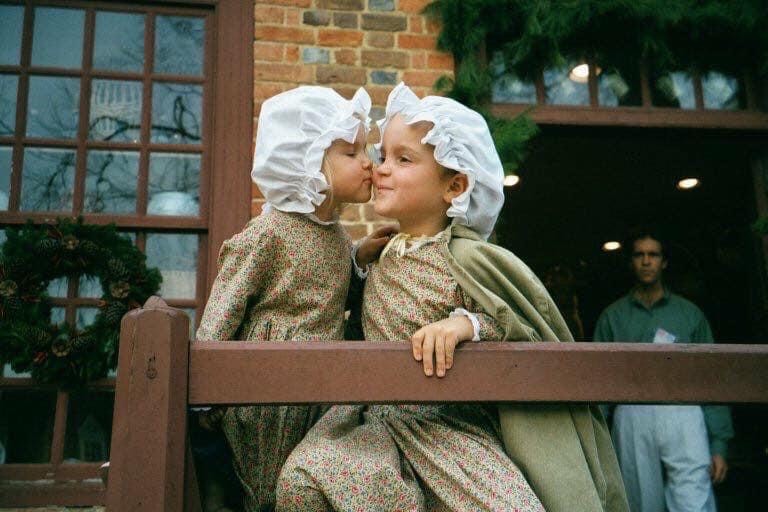
Watching them, I remember thinking how natural it is for young children, especially young girls, to believe they can transform—to step boldly into whoever they want to be. That sense of possibility, of becoming, is at the heart of this season and of so many stories about women’s power.
That spirit of transformation isn’t new. Long before Halloween became a night of costumes and candy, it was Samhain, a Celtic festival that marked the end of the harvest and the beginning of winter’s half dark.
As a Quaker, I’ve always felt an affinity with this season’s rhythm of reflection; a reminder that endings and beginnings are one and the same.
A friend from Beccles Quaker Meeting once wrote, “In autumn, trees show us how to let go beautifully”—a truth that feels just as relevant in our personal lives as it does in the systems that shape our society.
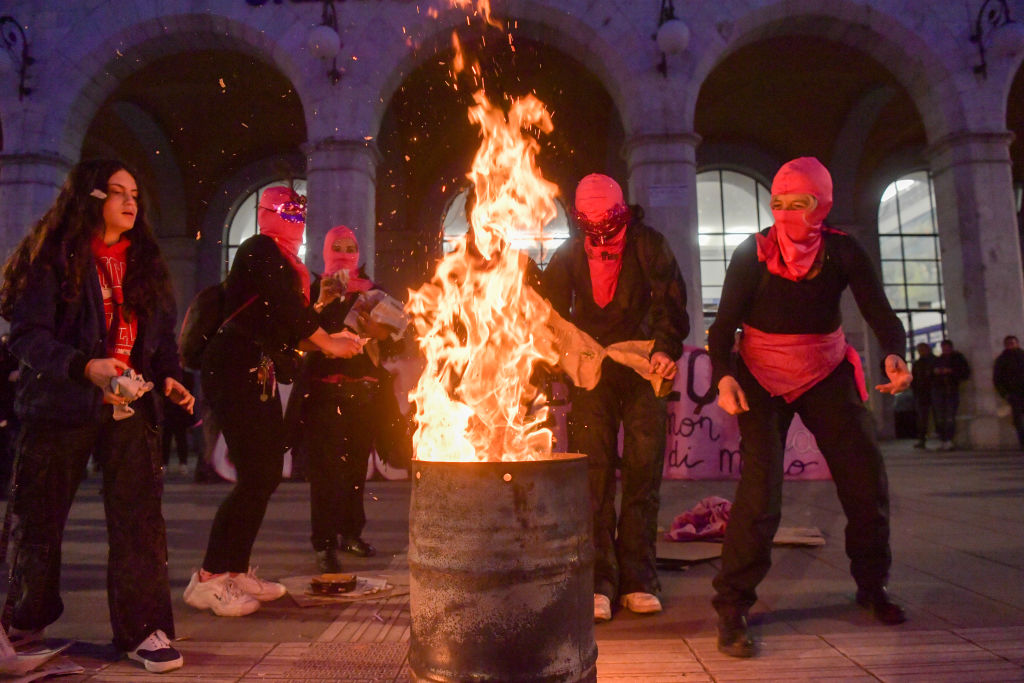
Samhain, the historical basis of what is now Halloween, carried that same awareness: a time when communities gathered together to honor what had ended, to prepare for what was to come and to find renewal in the act of release. At the heart of those gatherings were women: healers, midwives and keepers of ritual knowledge who understood the earth’s cycles and the balance of life and death.
The women’s authority came not from conquest or wealth but from connection to nature, to community and to one another.
When patriarchal religions spread across Europe, that spiritual authority became a threat. The same women who once tended fires and herbs were recast as heretics and witches. Power rooted in intuition and care was reframed as dangerous. The witch became a weapon used to undermine women’s independence, intellect and leadership.
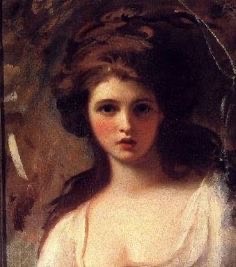
When I think about the women once persecuted as witches, their stories feel closer than history books suggest.
My husband’s great-grandmother many generations removed, Susannah North Martin, was hanged in 1692 in Essex, Mass., during the Salem witch trials—accused not of sorcery, but of defiance. A widow who refused to surrender her property, she was punished for her independence and strength.
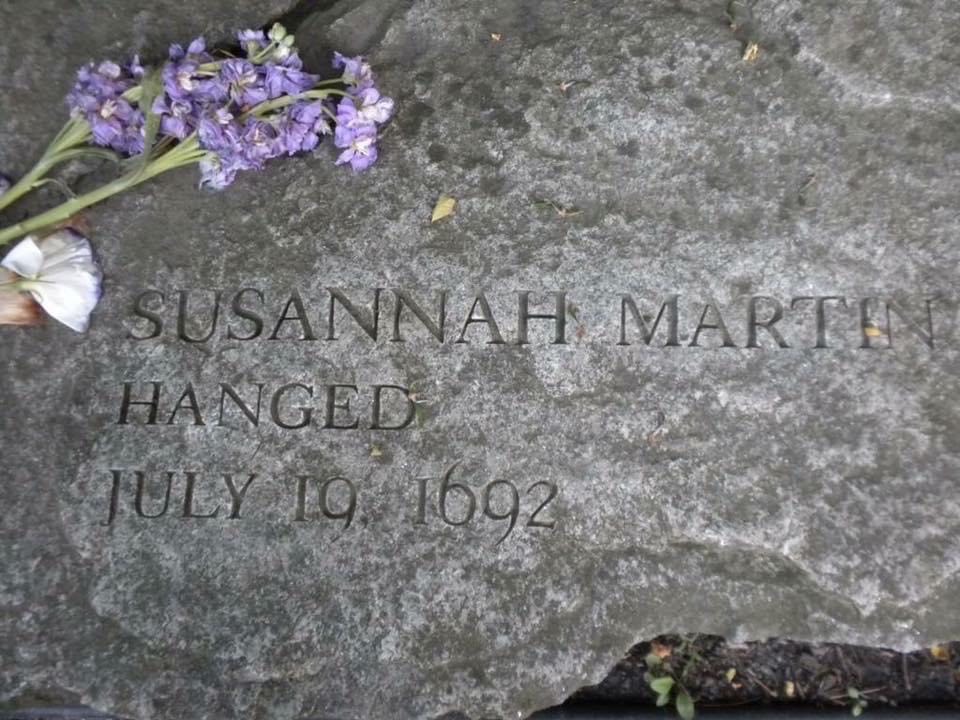
Her story is one of the countless others that remind us of how women’s autonomy over their land, labor and lives has long been treated as a threat.
But the witch was never the villain. She was the prototype for women’s power.
As one modern refrain reminds us, “We are the granddaughters of the witches you could not burn.” First popularized during the women’s rights movements of the 1970s, captured a growing sense of reclamation: a recognition that the same qualities once punished in women were also the source of their strength. It reflects both defiance and continuity, as well as the enduring wisdom of women despite centuries of suppression.
That same current—the reclaiming of agency and voice—runs through our history and into this moment.
As we approach another Election Week, women once again stand at the threshold between what is and what could be. Across the country, women are poised to make history.
So this Halloween, as we remember the women who were once feared for their strength, we can also honor what they symbolize: courage in the face of control, wisdom in the face of fear and an enduring belief that power shared is power multiplied.
Because the story of the witch was never about superstition, it was about agency—a woman’s right to claim her knowledge, her voice and her place in the world.
Voters across the country now have an opportunity to do the same: to choose leaders and systems that amplify women’s voices, strengthen collaboration and move us closer to a democracy built not to hoard power, but to share it.