Behind the pageantry and promises of global unity, the World Cup raises enduring questions about labor exploitation, human rights and who bears the costs of mega-sporting spectacles.

When the Federation Internationale de Football Association (FIFA) unveiled the first wave of celebrity promotions for the 2026 FIFA World Cup, the messaging was familiar: unity, celebration and global connection through sport.
Held every four years, the world’s largest international soccer (also known as football) tournament brings together national teams from around the globe to compete for the championship title. The right to host the World Cup is awarded through a competitive FIFA bidding process, with the 2026 tournament being awarded to a joint bid from the United States, Canada and Mexico. The joint bid means that responsibility for hosting the tournament will be shared among these countries with matches and related events taking place across North America.
But beneath the glossy advertisement campaigns and official anthems lies an institution repeatedly tied to corruption scandals, labor exploitation and human rights controversies that cannot be danced away by celebrity performances and spectacle marketing.
Mega-events like the FIFA World Cup, Olympics and the Super Bowl create emotionally charged spectacles that encourage audiences to focus on celebration rather than accountability.
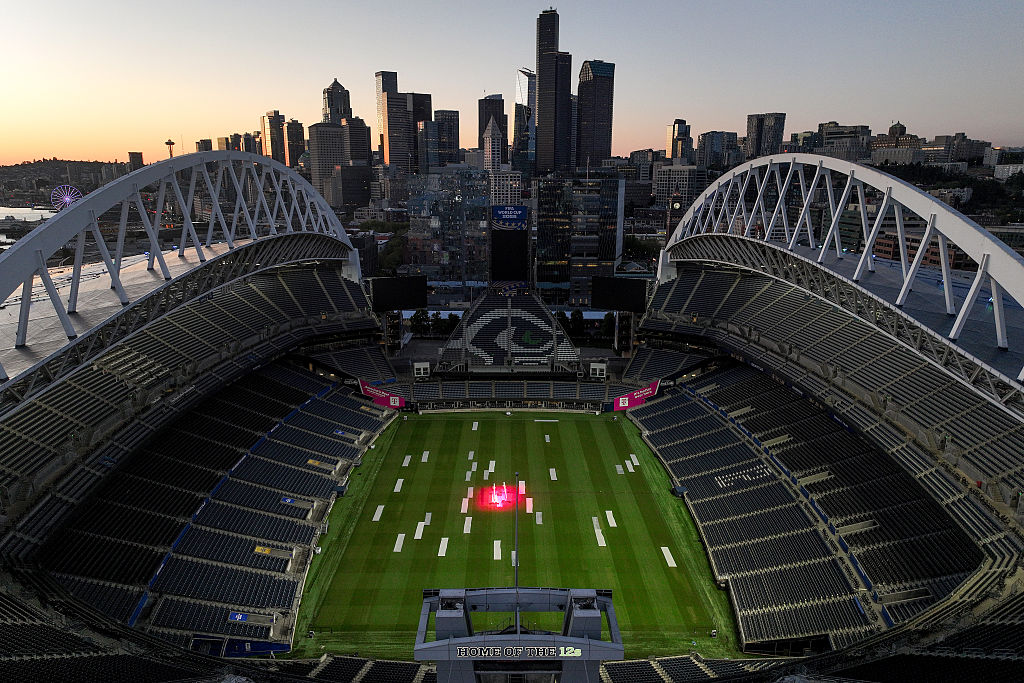
The World Cup is often presented as one of the world’s great unifying events. Yet for many workers and marginalized communities, FIFA’s tournaments have historically represented something very different: displacement, exploitation, division of resources and political image management disguised as entertainment.
The clearest example remains the 2022 World Cup in Qatar, the most recent tournament prior to this year’s World Cup, which starts June 11. In the years leading up to the tournament in the West Asian country, international human rights organizations including Amnesty International and Human Rights Watch documented widespread abuse tied to migrant laborers building stadiums, roads, hotels and transportation infrastructure for the games. Workers shipped to Qatar from countries like Nepal, Bangladesh and Kenya reported grueling hours in extreme heat, wage theft, unsafe conditions, and a lack of freedom under the kafala labor system, which is a sponsorship system that ties workers’ legal immigration status to their employer and can limit their ability to change jobs or leave the country.
A 2021 investigation by The Guardian revealed more than 6,500 migrant workers from South Asian countries had died in Qatar since the country won its World Cup bid in 2010 (though the exact number remains disputed). Labor advocates argued these deaths were evidence of a broader system of worker exploitation—from which FIFA benefited while promoting the tournament as a celebration of global unity.
Human rights concerns surrounding FIFA-hosted tournaments were not limited to labor conditions. The organization’s relationships with host governments also drew attention to issues affecting women and LGBTQ+ individuals living under restrictive legal and social systems. During the Qatar tournament, same-sex relationships remained criminalized, leading to widespread concern among LGBTQ+ fans and athletes. For some, those concerns influenced the decision not to attend the event, while others, including several public figures and celebrities, chose to boycott World Cup-related activities in protest of the country’s human rights record.
FIFA also threatened disciplinary action against European teams planning to wear “OneLove” armbands in support of LGBTQ+ inclusion, a move critics saw as prioritizing political appeasement over human rights.

Qatar is hardly FIFA’s only controversy.
Brazil’s 2014 World Cup sparked another wave of criticism. Rather than invest in public goods such as healthcare, education and housing, the Brazilian government directed billions of taxpayer dollars toward stadium projects tied to FIFA’s demands, with questionable long-term economic benefit for those taxpayers. In Rio de Janeiro, preparations for the 2014 World Cup and Olympics contributed to the displacement of residents in several communities as redevelopment and infrastructure projects expanded across the city.
In 2015, then-President Obama’s U.S. Department of Justice indicted multiple FIFA officials in a sweeping corruption investigation involving allegations of bribery, racketeering and money laundering tied to media and market rights. The scandal exposed what prosecutors described as decades of systemic corruption inside the organization. Several high-ranking officials were arrested in Switzerland, and longtime FIFA president Sepp Blatter was ultimately banned from football-related activities.
As fans rally behind their national teams, celebrity performances and global branding campaigns often help shift attention away from controversies and allegations of wrongdoing.
This is what scholars and activists increasingly describe as sportswashing: the use of sports and entertainment to soften criticism of powerful institutions and governments. Mega-events like the FIFA World Cup, Olympics and the Super Bowl create emotionally charged spectacles that encourage audiences to focus on celebration rather than accountability.
The 2026 World Cup arrives at a particularly volatile political moment in the United States. Immigration debates, rising nationalism and growing political polarization are already shaping the national conversation. President Trump has long embraced spectacle politics, using massive public events, branding and media attention to project power and nationalism. A tournament as large as the World Cup will inevitably intersect with those dynamics.
FIFA markets the World Cup as a symbol of borderless global unity while many of the workers who make these events possible face anti-immigrant policies and economic precarity. Cities hosting major matches are already preparing expanded policing and security operations, while public funds continue flowing toward infrastructure projects and corporate partnerships tied to the games.
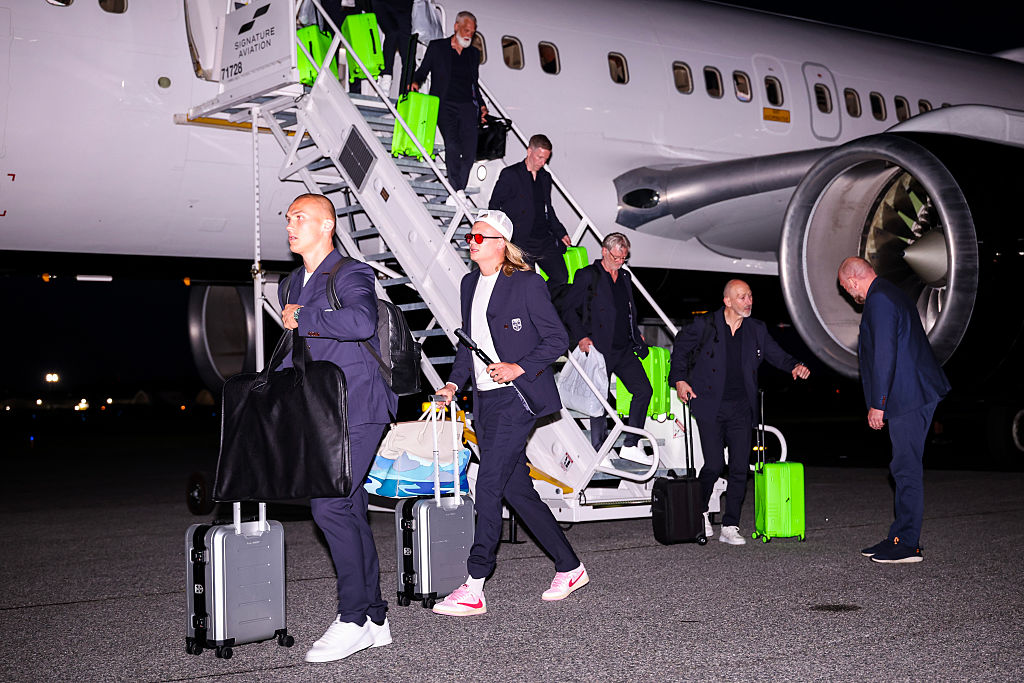
None of this means people should not enjoy the games. The World Cup genuinely matters to millions around the globe. Sports can foster community, joy, passion and solidarity. But loving the game should not require ignoring the systems surrounding it.
Because behind every glittering opening ceremony is an uncomfortable question FIFA would rather audiences not ask: Who is paying the price for the spectacle?
Too often it is people whose labor, rights and well-being are treated as expendable.