Guaranteed Income Is a Blueprint for a Better Social Safety Net: ‘Give People Money—Not Vouchers, Not Subsidies’

Many programs also have strict requirements that—by design—prevent low-income people from accessing the benefits they deserve. Traditional welfare policies are often paternalistic and controlling, requiring low-income women to use benefits in specific ways, or forcing them into situations that don’t work well for their family’s needs. 

A federal guaranteed income program is an opportunity to design a social safety net that takes social and historical context into account, empowers low-income parents and ends cycles of poverty.


40 Percent of Single Moms Face Food Insecurity. The Fall of Roe Will Plunge Them Deeper Into Poverty

The landscape of “abortion deserts” in this country now glaringly resembles the map of where we see the highest rates of food insecurity. The people forced to seek abortion care hundreds of miles away from their homes are the same parents skipping meals so their kids can eat, scrambling to fulfill SNAP work requirements and grocery shopping with calculators to stretch their government benefits as much as possible.

Ending the Public Health Emergency Could Prove Disastrous for New Moms on Medicaid

Last week, the Senate narrowly passed a bill that would end the national emergency declaration for the pandemic after two years. Next month, the nationwide public health emergency is set to end as well. While the steadily falling case numbers are encouraging, for many pregnant people and new moms who qualify for Medicaid, the crisis is far from over, and the end of pandemic-era flexibilities could mean disaster.

Is It 2157 Yet? How Businesses and Policymakers Can Accelerate the Timeline for Equal Pay

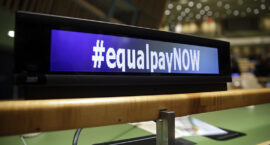
At our current pace, we won’t close the wage gap between men and women until 2157—nearly 136 years from now, with 36 of those added to make up for pandemic setbacks. We can’t hand off this injustice to our great-great granddaughters. So how can public policymakers, philanthropy and private businesses come together to accelerate the process?

There are solutions for narrowing the wage gap between men and women—let’s start by raising the federal minimum wage to $15; providing paid leave to all employees; and changing hiring practices.

The Period Project: Period Poverty and the Fight for Menstrual Equity

Access to affordable menstrual products remains a persistent issue. That’s why we’re launching the Period Project—which uses original research to develop “Period Project Report Cards,” assigning each state and the District of Columbia a grade on an A–F scale to evaluate their progress toward menstrual equity.

(This article is the first in a three-part series introducing the Period Project, which examines the scope and consequences of period poverty and assesses state progress toward achieving menstrual equity through legislation.)

Congress Must Take This Critical Step to Protect Immigrant Survivors

Congress Has the Opportunity To Take a Critical Step Towards Protecting Immigrant Survivors

For years, the U.S. has failed immigrant survivors by limiting their access to critical assistance programs. The LIFT the BAR Act is an opportunity for Congress to take real steps towards protecting immigrant survivors and getting them the resources they need.

The LIFT the BAR Act restores access to federal assistance programs like Medicaid, Children’s Health Insurance Program (CHIP) and Supplemental Nutrition Assistance Program (SNAP), by removing the five-year bar and other barriers that deny critical care and aid to people who are lawfully present.