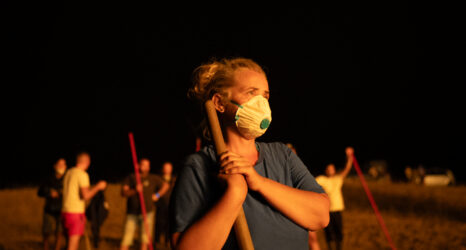
Based on a true story, Belén revisits a miscarriage turned prosecution, and the movement that refused to let it stand.

Belén didn’t know she was pregnant until she miscarried in a hospital. She’d gone to the emergency room suffering excruciating abdominal pain. Instead of receiving care, she awoke from surgery handcuffed to her hospital bed, accused of having an illegal abortion.
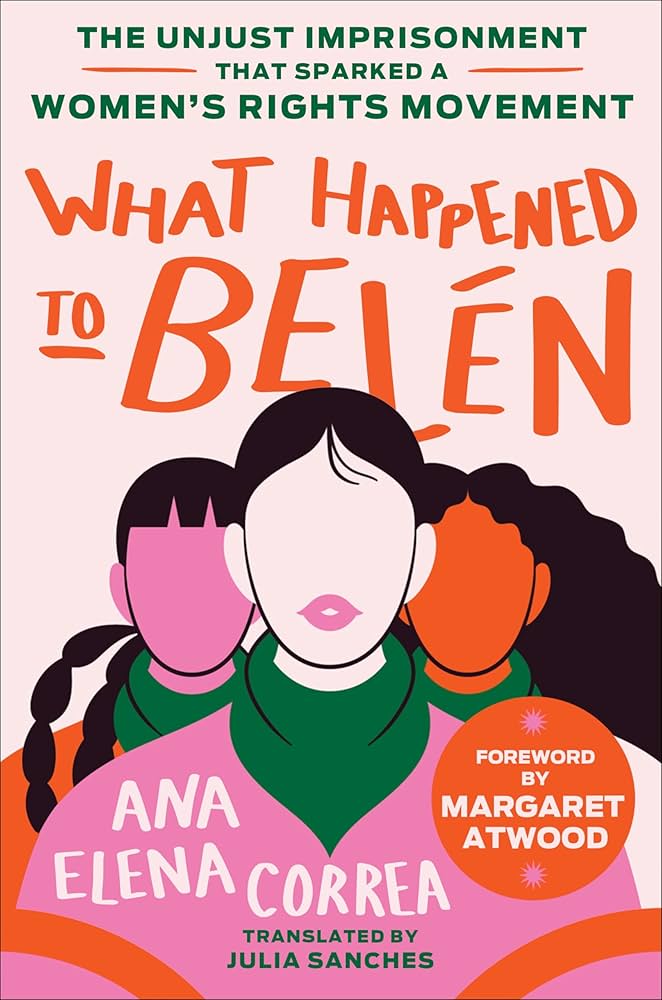
This is the true story behind Belén, a powerful new Argentine film directed by, co-written by and starring Dolores Fonzi. It is based on the ordeal of a young woman from northern Argentina, chronicled in Ana Correa’s nonfiction book What Happened to Belén: The Unjust Imprisonment That Sparked a Women’s Rights Movement, the prologue of which was written by Margaret Atwood. (Belén is a pseudonym to protect her identity.)
Belén has been shortlisted for Best International Feature Film at the 98th Academy Awards, which will take place Sunday, March 15.
From Criminalization to Collective Resistance
The film reckons with a painful past injustice, placing it at the heart of current global debates about women’s bodily autonomy and freedom.
In 2014, Belén was accused of terminating her pregnancy at a time when abortion was illegal in Argentina except in rare cases. She had done nothing wrong, but because she was working class and from a conservative province, she was treated without due process and assumed to be guilty. Despite a lack of evidence, Belén was charged with aggravated homicide and sentenced to eight years in prison.
After two years, Belén was freed, thanks to the legal work of activist and lawyer Soledad Deza and the sustained support of women’s organizations and women’s rights activists and movements, such as Ni Una Menos (Not One Less). Her case became a rallying cry for reproductive rights, with thousands taking to the streets under the banner #LibertadParaBelen (“Freedom for Belén”), paving the way for Argentina’s historic legalization of abortion in 2020.
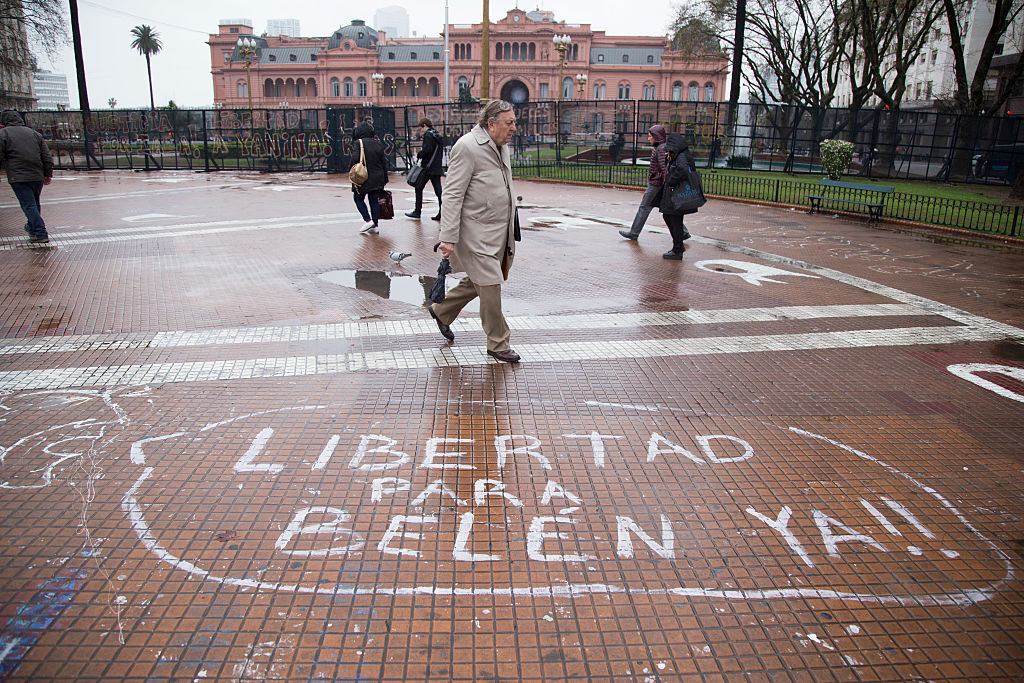
Belén demonstrates how one woman’s ordeal can ignite a movement and spark solidarity in the face of injustice.
The film also highlights the vital role of feminist lawyers like Soledad Deza, who transform courtrooms into spaces of resistance. After all, justice is never guaranteed; it must be claimed, defended and fought for.
Belén’s Story Is a Warning, Not a Relic
As anti-rights movements grow stronger and populist leaders roll back hard-won progress, regressive forces around the world are applying the tactics that placed Belén behind bars: discrimination, moral panic and political opportunism. Women and girls continue to face barriers to essential reproductive healthcare. Too often, those who seek help are met not with empathy but with blame, prosecution or denial of medical care.
The wrongful imprisonment of Belén is a stark example of why legal protections are needed both on paper and in practice. This truth underpins Equality Now’s work to ensure women and girls are protected by laws that are strong, fair and effectively enforced. We train justice officials, challenge discrimination and hold governments to account. At the heart of this work are feminist lawyers who take on cases others won’t, push for meaningful legal change and confront the reality that justice is hardest to access for those most marginalized.

Today, feminist lawyers and other human rights defenders increasingly face harassment, judicial intimidation and baseless investigations intended to silence them. Despite this, they remain on the frontlines, and their work has never been more essential as human rights and the international systems that uphold them face mounting threats from regressive forces.
In Argentina, the distribution of contraceptives has been cut, work to prevent teenage pregnancies has been defunded and access to abortion medications has been restricted. Government programs designed to combat gender-based violence have been slashed, putting women’s lives at risk.
In El Salvador, women have been imprisoned after experiencing obstetric emergencies, with some sentenced to decades for homicide. A total abortion ban in the Dominican Republic makes criminals of sexual violence survivors seeking help, while in the Bahamas, family members of women seeking reproductive healthcare have faced prosecution. In the U.S., Roe v. Wade was overturned, and in Europe and beyond, women’s rights are being targeted.
Equality Now endorses Belén because it exposes the real-world consequences of discriminatory laws and institutional failures that continue to harm women and girls. We hope to see Belén nominated for an Oscar in recognition of the crucial questions it raises about justice, accountability and the policing of women’s bodies.
In an era when truth feels fragile, misinformation spreads easily, and public discourse grows increasingly polarised, storytelling can be a powerful act of defiance and solidarity. By showing what happens when the state fails to protect, Belén is more than a film. It is a wake-up call and a rallying cry. It reminds us that when individual injustice is made visible, it can drive collective action and lasting legal change.
At a moment of global backlash against women’s rights, stories like this are not only culturally significant, they are essential to challenging impunity and pushing justice forward.