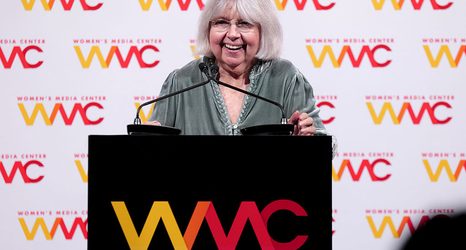
Beneath the rhinestones was a gifted songwriter, shrewd businesswoman and philanthropist who used her power to lift up working women, children and marginalized communities.
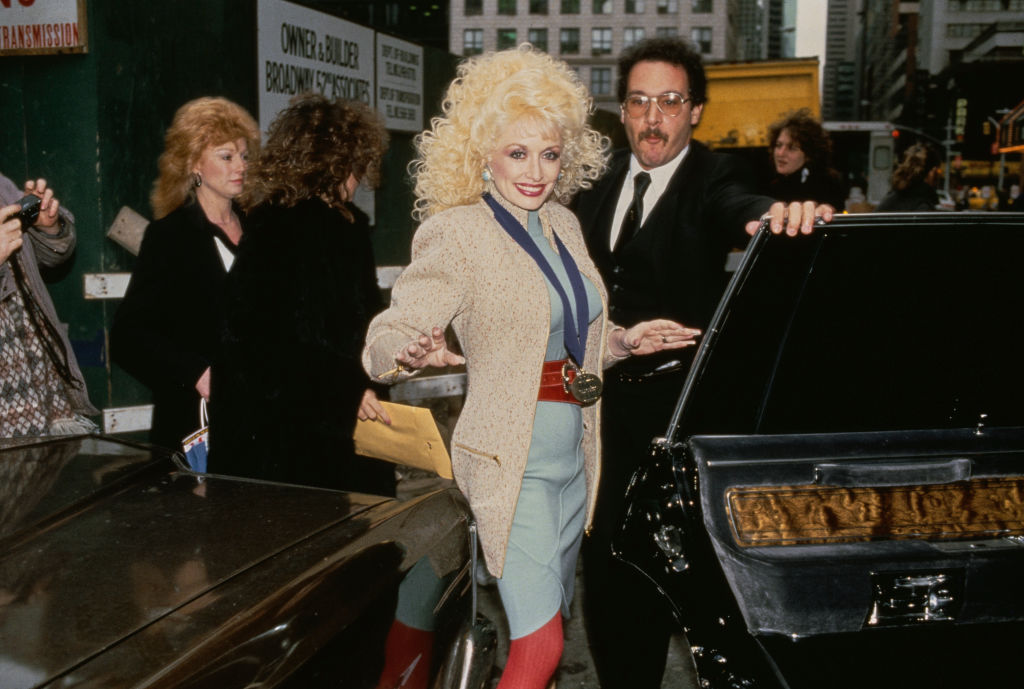
Editor’s note: This article was adapted from Michele Goodwin’s tribute to Dolly Parton on the latest episode of On the Issues with Michele Goodwin. Listen to the full episode here.
Dolly Parton understood the power of being underestimated.
Beneath the rhinestones, towering blond hair and self-deprecating jokes was a gifted songwriter, a shrewd businesswoman and a philanthropist whose work transformed the lives of millions of children and families.
Dolly Rebecca Parton died on Aug. 25 at the age of 80, leaving behind a body of work that stretches far beyond the songs and films that made her one of the most beloved performers in American life. She sang about the dignity of working women. She placed hundreds of millions of books in the hands of children. She supported healthcare, disaster relief and lifesaving medical research. And she repeatedly used her enormous cultural influence to affirm the humanity of people who were too often marginalized, including Black and LGBTQ+ Americans.
For us at Ms., a true hero has passed on. Parton’s glitter, silver, diamonds and gold were more than adornment: They reflected the joy, generosity and light she carried into the world.
Born in Sevier County, Tenn., in 1946, Parton was one of 12 children raised in a one-bedroom home in the Smoky Mountains. She never lost sight of where she came from, nor did she romanticize the hardships that shaped her. Her music told stories about poverty, sacrifice, judgment, ambition, heartbreak and survival—especially as women experienced them.

Parton announced herself to the world with her 1967 debut album, Hello, I’m Dolly. Over the decades that followed, she became one of the most prolific and celebrated songwriters in American history. She wrote thousands of songs, including “Jolene,” “Coat of Many Colors” and “I Will Always Love You,” which she first recorded in 1974.
A new generation encountered the latter song when Whitney Houston recorded it for the 1992 film The Bodyguard. Houston’s soaring rendition became a worldwide phenomenon, but at its heart remained Parton’s writing: intimate, direct and emotionally fearless. Parton later said she used some of the royalties from Houston’s version to invest in a predominantly Black neighborhood in Nashville, calling the property “the house that Whitney built.”
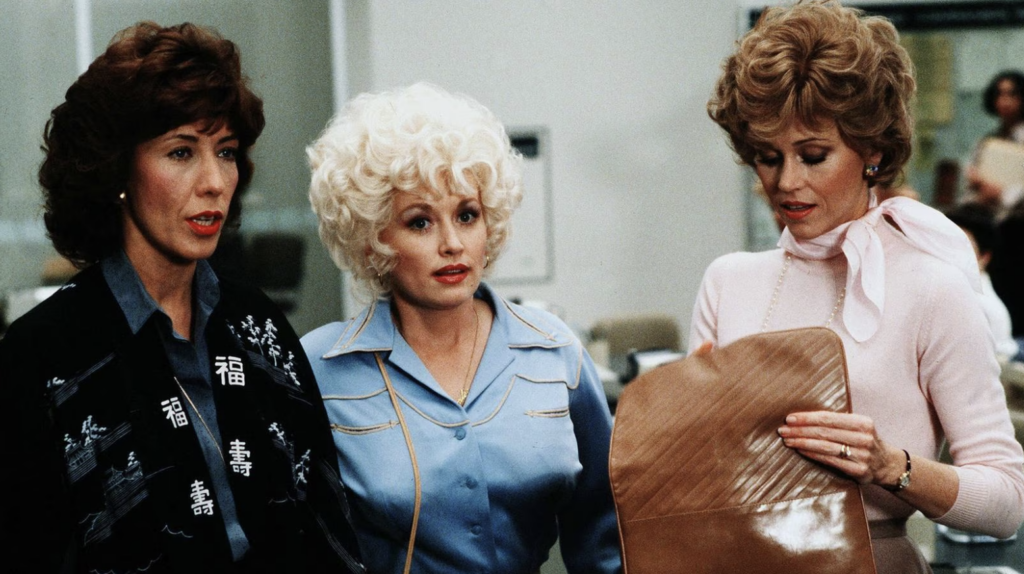
Parton’s relationship to working women was equally central to her legacy. In the 1980 film 9 to 5, she starred alongside Jane Fonda and Lily Tomlin as three women confronting an egotistical, sexist and sexually harassing boss. The film depicted what countless women already knew: Women’s labor was indispensable, yet they were routinely underpaid, underestimated and denied basic respect in the workplace.
Parton’s title song gave those experiences an unforgettable rhythm. “9 to 5” reached No. 1 on the pop, country and adult contemporary charts, becoming an anthem for generations of working women. With wit and clarity, Parton captured the indignity of laboring to make someone else rich while struggling to build a life of one’s own.
The song and film endured because the conditions they exposed endured. Women—particularly women of color—remain overrepresented in low-paid jobs and caregiving work, while still confronting discrimination, harassment and unequal opportunities for advancement. Parton gave those realities cultural visibility without sacrificing humor, warmth or mass appeal.
But Parton’s concern for women and children was expressed not only through her art. It was reflected in what she did with the wealth and influence her art created.
In 1995, inspired by her father’s inability to read and write, she founded Dolly Parton’s Imagination Library. What began as a literacy program for children in her home county grew into an international effort that mails free, age-appropriate books to children from birth to age 5, regardless of their family’s income.
The program has now distributed more than 300 million books and sends millions more each month to children across five countries. Many of those children will never know the full story of the woman who made sure a book arrived in their mailbox. But her investment in them may shape what they believe is possible for their own lives.
Parton understood that reading and writing can be transformative. The ability to pick up a book, imagine another world and eventually use one’s own voice is a form of freedom. She knew that because she had done it herself—first as a child writing songs in the mountains of East Tennessee and later as a woman whose words traveled around the world.
Her philanthropy also extended to healthcare. In 2018, Parton donated $1 million to the Monroe Carell Jr. Children’s Hospital at Vanderbilt, supporting its pediatric cancer program. In 2020, as COVID-19 spread across the country, she contributed another $1 million to coronavirus research at Vanderbilt University Medical Center. Some of that funding supported early research connected to the Moderna vaccine.
She also responded when disaster struck her own community. After wildfires devastated Sevier County in 2016, Parton created the My People Fund, which provided $1,000 each month to families whose homes had been destroyed or left uninhabitable.
Whether she knew the people she helped did not matter. She understood that dignity should not depend on proximity, fame or fortune.
Parton was also willing to speak when silence would have been easier.
In 2020, amid national protests following the killings of Breonna Taylor, George Floyd, Ahmaud Arbery and others, Parton was asked about the movement for Black lives.
“Of course Black lives matter,” she said. “Do we think our little white asses are the only ones that matter? No!”
Two years earlier, she had removed “Dixie” from the name of her Stampede dinner attraction after learning that the term was offensive. Parton did not respond defensively or insist that tradition mattered more than the people who were harmed by it. She concluded that when we learn something causes pain, we should fix it.
That principle—listen, learn and try not to hurt people—also shaped her longstanding relationship with LGBTQ+ communities. Parton spoke in support of LGBTQ+ people and marriage equality, welcomed queer fans and families to Dollywood, and wrote “Travelin’ Thru” for the 2005 film Transamerica. The song, written for a story centered on a transgender woman, earned Parton an Academy Award nomination.
Parton often avoided partisan labels, but she did not need a political label to recognize the humanity of those around her. Her example was rooted in a simple but increasingly urgent conviction: Other people deserve dignity, safety, opportunity and love.
She could hold fast to the community that raised her while making room for people who were vulnerable within that community. She could be proud of her Southern and Appalachian roots without treating history or tradition as an excuse for exclusion. She could understand the complexities of a country she loved—a country that offered extraordinary possibilities while denying equality to women, dispossessing Indigenous people and subjecting Black Americans to enslavement, Jim Crow and continuing discrimination.
That was Parton’s expansive vision of America: not a country that retreats into cruelty or scarcity, but one strong enough to care for its children, support its neighbors and allow every person to thrive.
One does not need to overstate Dolly Parton’s legacy. Her work says it all.
We heard it in the songs that made working women feel seen. We saw it in the books delivered to children, the families supported after disaster and the medical research that saved lives. We recognized it in her willingness to stand beside Black and LGBTQ+ Americans, even when others from her industry or background might have chosen silence.
May Dolly Parton rest in power. May her legacy live on in every child who discovers a new world inside a book, every woman who demands dignity in the workplace and every person who chooses compassion when indifference would be easier.
A true hero has passed on, but her light continues to shine. May that light—and all the glitter, silver, diamonds and gold that reflected it—shine on and on.
*
A note from Ms. editors: We want to hear from you for The Majority, a new campaign collecting stories about how reproductive freedom has enabled readers to build the lives they want and need.
Poll after poll shows a majority of Americans support reproductive healthcare access. Yet public debate overlooks the lives shaped by abortion access, contraception, IVF, miscarriage care, maternal healthcare or comprehensive sex education—countless women who chose to pursue an education, have children, not have children, protect their health and chart their own future. What’s your reproductive freedom story? Add your voice. Together, these stories will help show not only why reproductive freedom remains a majority value, but also what it makes possible.