Now Streaming: New Film ‘Lilly’ Tells Transformative Story of Equal-Pay Hero Lilly Ledbetter

It’s tempting these dark days to dismiss the idea that any one person can make a difference. And yet, every day ordinary people fight injustice. And some days, those people persist long enough, resist long enough, that their fights rise to national prominence.

One such fight is chronicled in the new film Lilly, released in theaters this May and now available for rent. The brainchild of director Rachel Feldman, Lilly tells the story of Lilly Ledbetter, “an ordinary woman who became extraordinary,” in the words of Patricia Clarkson, who portrays her in the film.

The Woman Behind the Fair Pay Act Comes to Life in ‘Lilly’ Film

It’s tempting these dark days to dismiss the idea that any one person can make a difference.

And yet, every day ordinary people fight injustice. And some days, those people persist long enough, resist long enough, that their fights rise to national prominence. One such fight is chronicled in the new film Lilly, in theaters beginning May 9. The brainchild of director Rachel Feldman, Lilly tells the story of Lilly Ledbetter, “an ordinary woman who became extraordinary,” in the words of actor Patricia Clarkson, who portrays her in the film.

Unfortunately, Ledbetter didn’t live to see the film arrive in theaters. She died in October 2024 at age 86. “She was so profoundly happy to know that her legacy would extend in entertainment form,” Feldman says, “particularly so that young women would absorb the story.”

Women’s History Month Is a Time for Optimism

Dispatches from Week 2 of Women’s History Month:

It’s Week 2 of Women’s History Month, and just knowing the federal government might well ban those three words in sequence—along with “gender,” “female,” “feminism” and about 250 others—you can bet I’m feeling extra rebellious as I write this column.

I am back from celebrating International Women’s Day (March 8) at South by Southwest. Among the festival keynotes, Chelsea Clinton urged that optimism is fundamentally a moral and political choice. Remaining optimistic, she remarked, is like “saying we do not have to accept the status quo. … We do accept that we may not be able to do everything all at once, but we can always do something.”

Women’s History Month is a solemn reminder that our reaction—and our commitment to action—also requires that we hold tight to the optimism our foremothers possessed.

Women’s Paychecks Are Shrinking—And Policy Isn’t Keeping Up

Last September, the National Partnership for Women and Families reported the wage gap for all women workers had widened to 75 cents for every dollar men earned, representing a 3-cent decrease in real pay per hour for women.

While on the surface this may seem negligible in a paycheck, even a seemingly small increase in wage disparity dramatically impacts the significant gains in pay since the 1980s. American Progress reports that with this current backslide, it will now take until 2068 to close the wage gap.

Ms. Magazine’s Top Feminists of 2024

From top athletes, to community activists, to badass lawmakers, here are our 25 picks for the top U.S. feminists of 2024, and two of the best things they did or said.

Featuring: Kamala Harris, the 27 women who sued the state of Texas for its abortion ban in Zurawski v. Texas, Sarah McBride, abortion providers and funders, Black women voters, Jasmine Crockett, South Carolina’s “Sister Senators” and more.

Keeping Score: Federal Judge to DeSantis, ‘It’s the First Amendment, Stupid’; N.Y. Woman Investigated for Pregnancy Loss; Abortion Is #1 Issue for Women Voters Under 30

In every issue of Ms., we track research on our progress in the fight for equality, catalogue can’t-miss quotes from feminist voices and keep tabs on the feminist movement’s many milestones. We’re Keeping Score online, too—in this biweekly roundup.

This week: Abortion is the number one election issue for women under 30; a record-breaking 300,000 Georgians cast their ballots on the first day; equal pay trailblazer Lilly Ledbetter died at age 86; X (Twitter) fails to quickly remove revenge porn; less than 1 percent of U.S. abortions happen after 21 weeks; and more.

Rest in Power: Lilly Ledbetter, Trailblazing Icon for Women’s Equal Pay

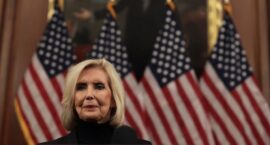
Lilly Ledbetter, an equal pay activist whose legal fight against her employer led to the Lilly Ledbetter Fair Pay Act, died this weekend. She was 86. 

“One of the next steps in reaching pay equity is the Paycheck Fairness Act—a bill that would amend the Equal Pay Act of 1963 to give workers stronger enforcement tools and remedies to help close the pay gap between men and women once and for all,” wrote Ledbetter in an op-ed for Ms. in January. “But things have been frustratingly stagnant in Congress.”

Women Who Dissent: Remembering Lilly Ledbetter, Mary Edwards Walker and Anjali Forber-Pratt

Throughout Women’s History Month, discover untold stories of incredible women. This week: Lilly Ledbetter, namesake of the Lilly Ledbetter Fair Pay Act of 2009; Dr. Mary Edwards Walker, one of the first female doctors in America and the only woman to win the Medal of Honor; and Dr. Anjali Forber-Pratt, a professional wheelchair racer and Paralympian medalist.

Charting the Future of Equal Pay

Today, women workers make 78 cents when compared to men, and 66 cents for Black women, 52 cents for Latinas and 55 cents for Native women. The earnings gap is even larger when the value of benefits, including health and life insurance and performance bonuses, is included in the equation.

Disclosure of pay data by gender and race to the EEOC may pave the way for transparency to the public at large—and much-needed action to close gender and racial pay gaps once and for all. It’s been 60 years. Isn’t that long enough?

(This article originally appears in the Spring 2024 issue of Ms. Join the Ms. community today and you’ll get issues delivered straight to your mailbox!)